Efficient logistics flow is the backbone of warehouse operations, directly impacting productivity, cost management, and customer satisfaction. A well-optimized warehouse can handle higher order volumes, reduce delays, and improve operational efficiency, leading to increased profitability.
With the rise of e-commerce and just-in-time inventory systems, warehouses must continuously refine their logistics processes to keep up with market demands. By implementing strategic automation and process improvements, warehouses can minimize bottlenecks, reduce errors, and speed up operations, ensuring that goods move efficiently from receiving to shipping.
Understanding Warehouse Logistics Flow
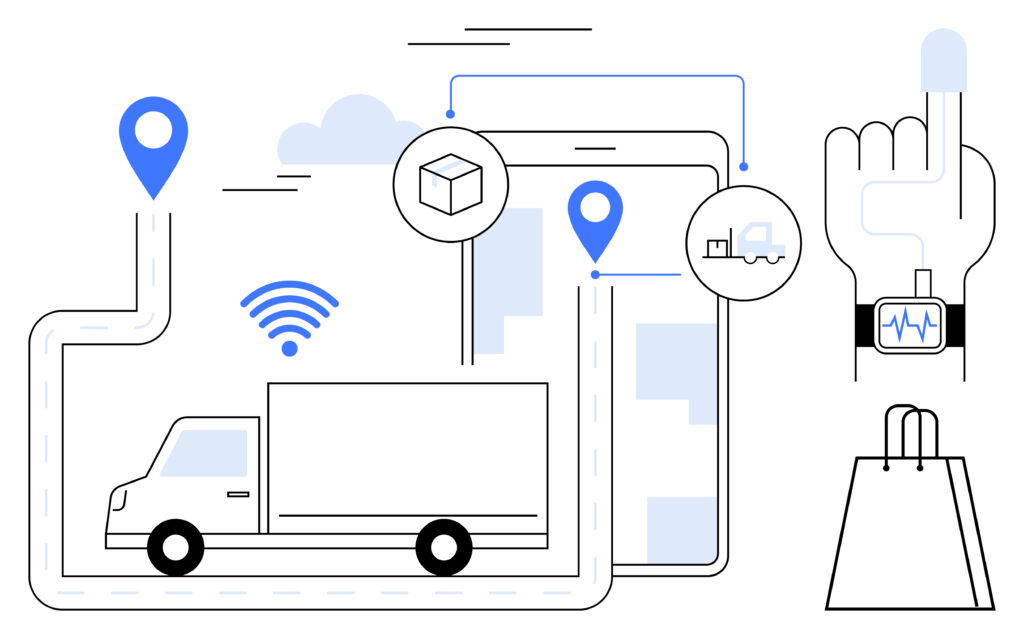
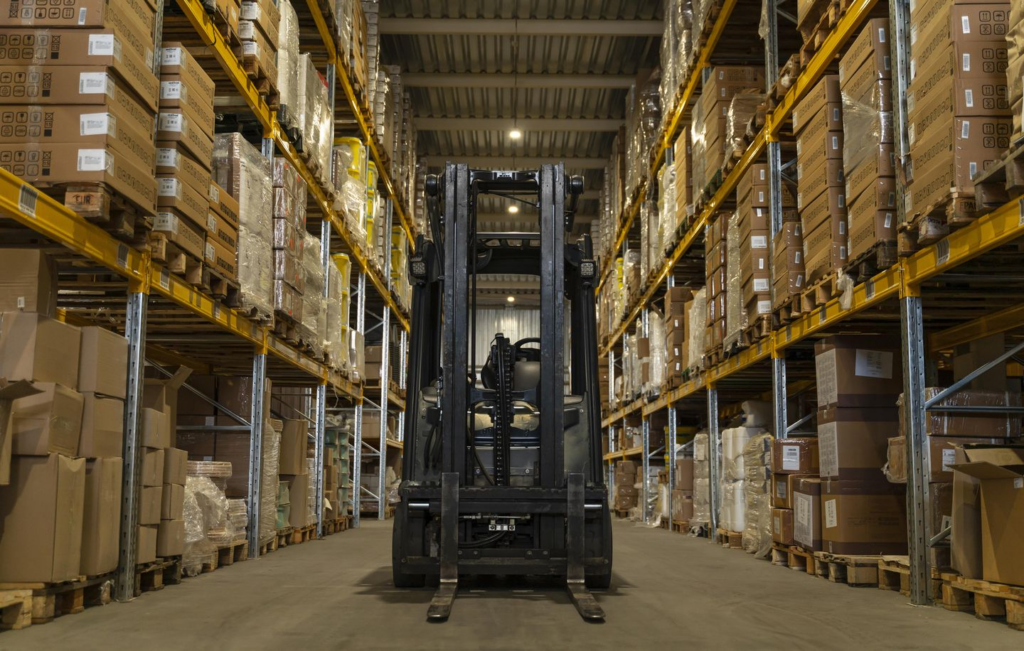
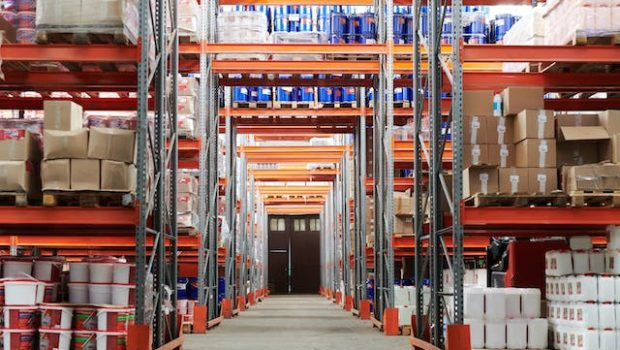
Warehouse logistics flow refers to the entire process of moving, storing, and handling inventory within a facility. It includes receiving, put-away, storage, picking, packing, and shipping. An optimized flow ensures:
✔ Faster processing times, allowing businesses to fulfill orders more efficiently.
✔ Better inventory accuracy, reducing errors and minimizing the risk of stockouts or overstocking.
✔ Reduced operational costs, as fewer mistakes and delays lead to lower labor expenses and less waste.
Common Challenges in Warehouse Logistics:
📦 Inventory Mismanagement – Poor tracking can result in overstocking or stock shortages, affecting customer satisfaction and increasing storage costs.
🚛 Slow Material Handling – Manual handling and inefficient workflows lead to shipping delays and increased lead times.
🔄 Manual Processes – Heavy reliance on manual data entry and paperwork increases the risk of errors and inefficiencies.
🏭 Space Utilization Issues – Poorly designed storage layouts reduce warehouse efficiency, causing wasted space and longer retrieval times.
🚧 Lack of Integration Between Systems – If warehouse software and equipment do not communicate effectively, delays and miscommunication can occur.
Automation Technologies That Optimize Logistics Flow
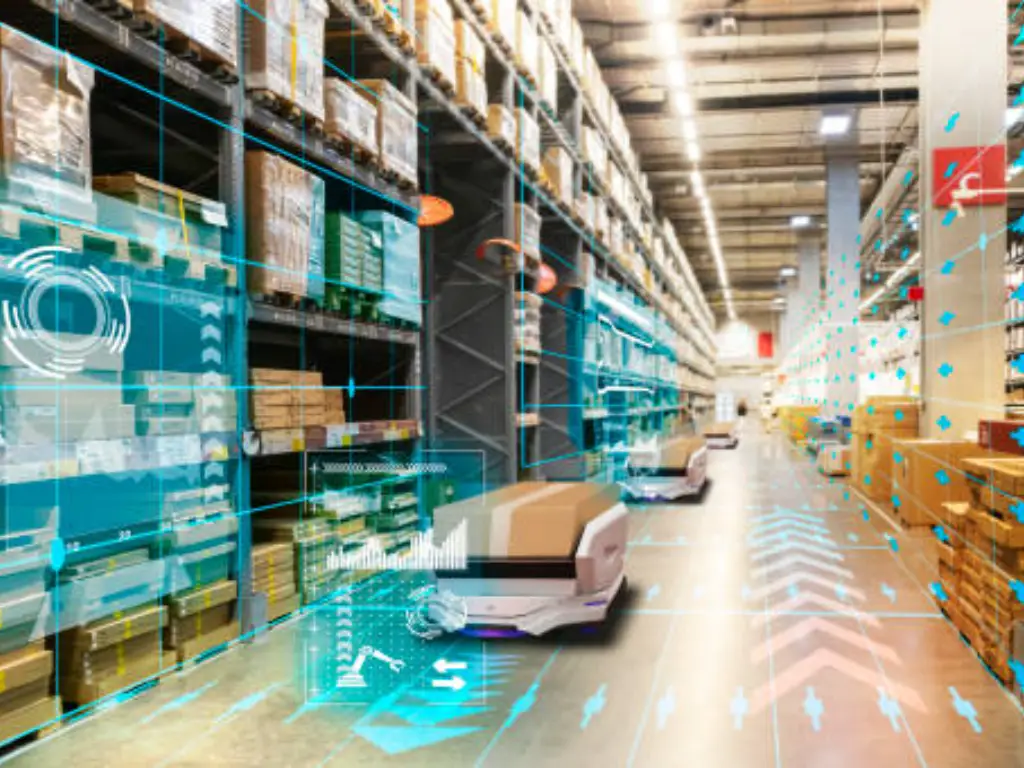
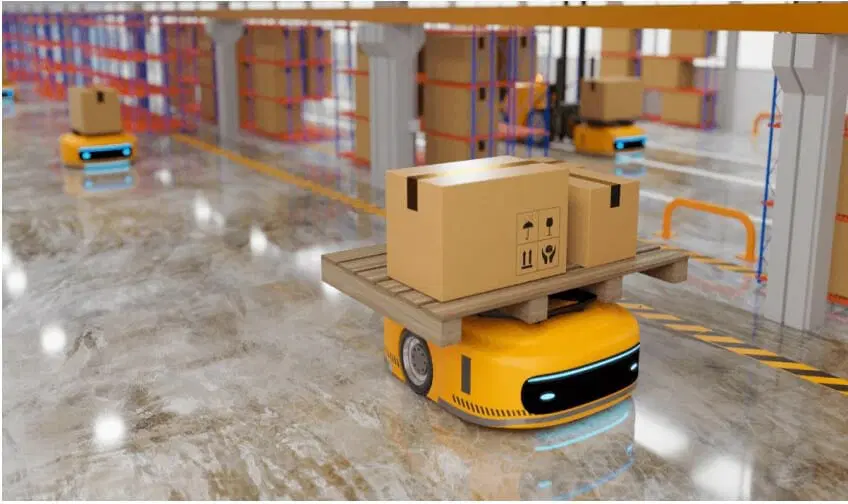
To overcome these challenges, many warehouses are integrating automation and smart systems into their logistics flow. These technologies help speed up operations, improve tracking accuracy, and reduce reliance on manual labor.
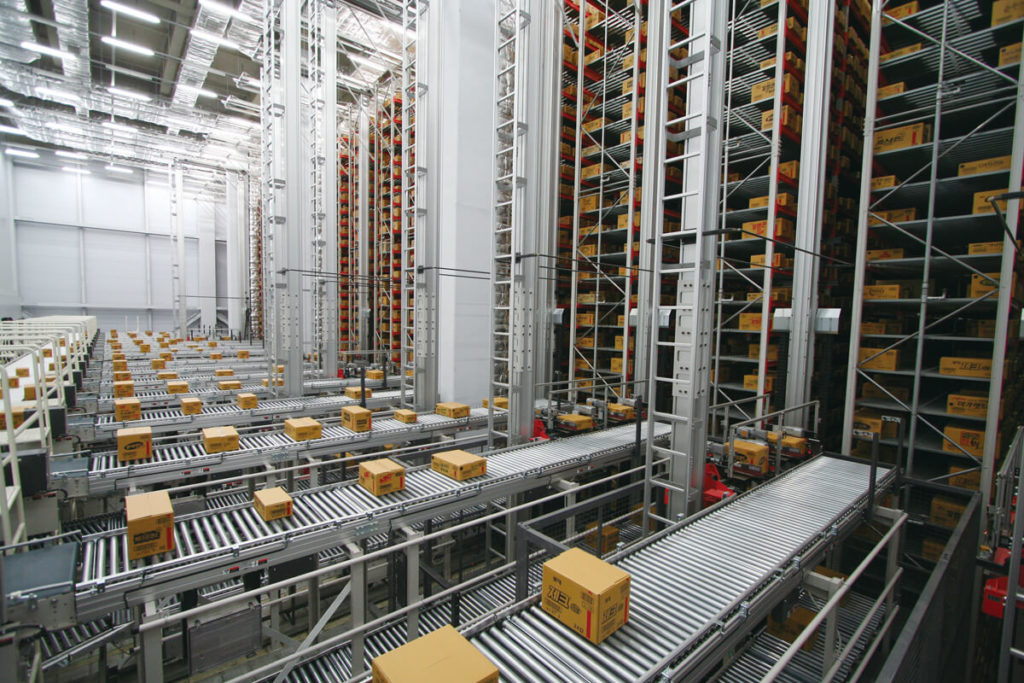
a. Automated Storage and Retrieval Systems (AS/RS)
AS/RS uses robotic systems to store and retrieve inventory automatically, significantly reducing the need for manual labor. It helps optimize warehouse space, minimizes errors, and increases picking efficiency.
b. Warehouse Management Systems (WMS)
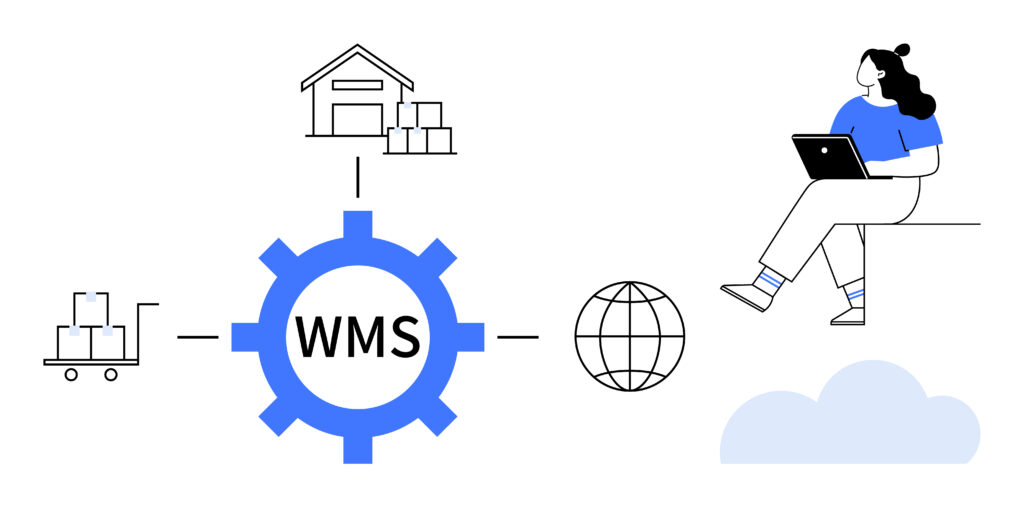
A WMS provides real-time tracking of inventory, automating order fulfillment and ensuring that stock levels are accurately maintained. A WMS can:
✅ Optimize storage space by directing where items should be placed.
✅ Reduce picking errors by guiding workers to the correct locations.
✅ Increase overall productivity by automating data entry and tracking.
c. Conveyor and Sorting Systems
Automated conveyor belts and sorting machines help streamline goods movement, reducing manual handling time and improving distribution accuracy. These systems ensure that packages reach their destinations quickly and with minimal human intervention.
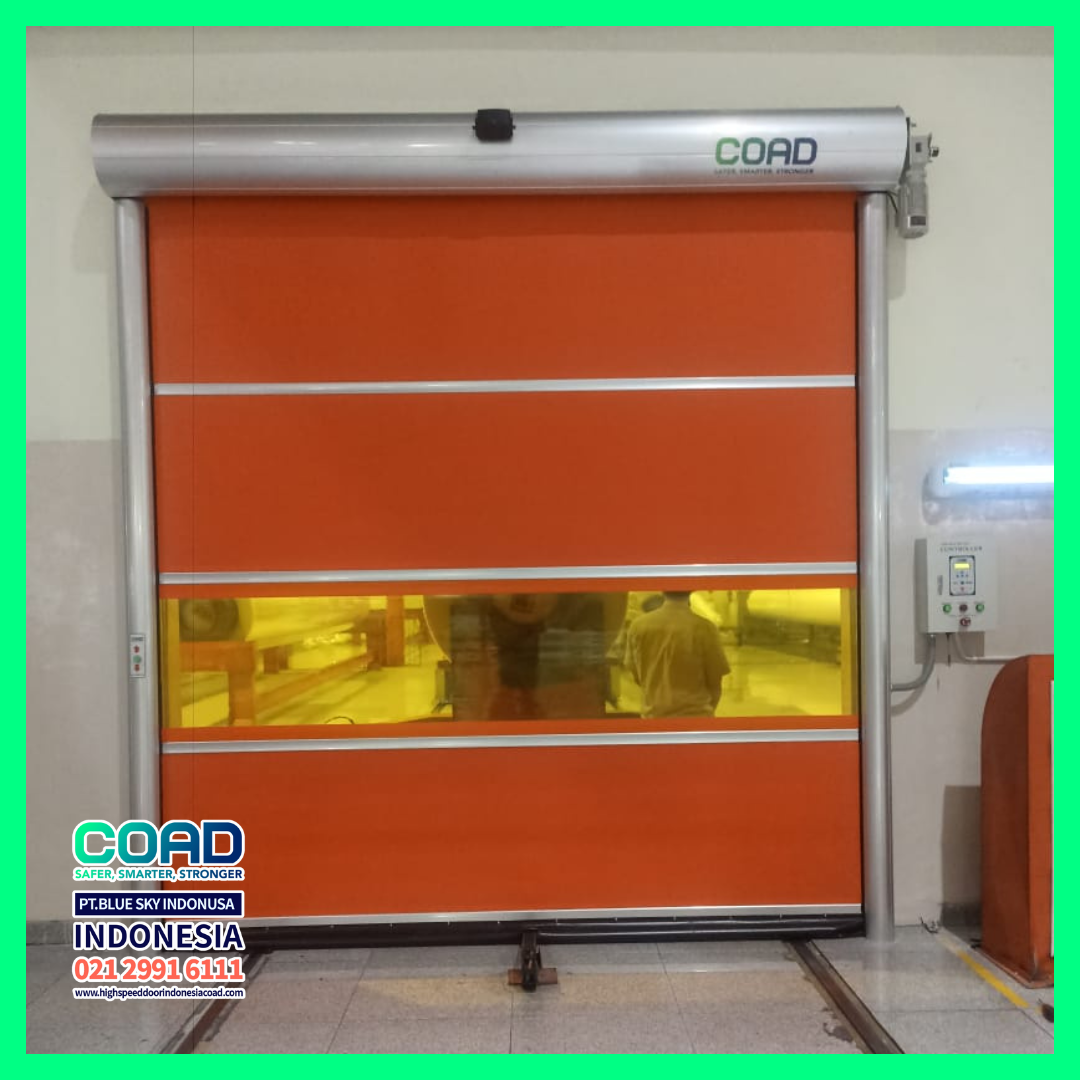
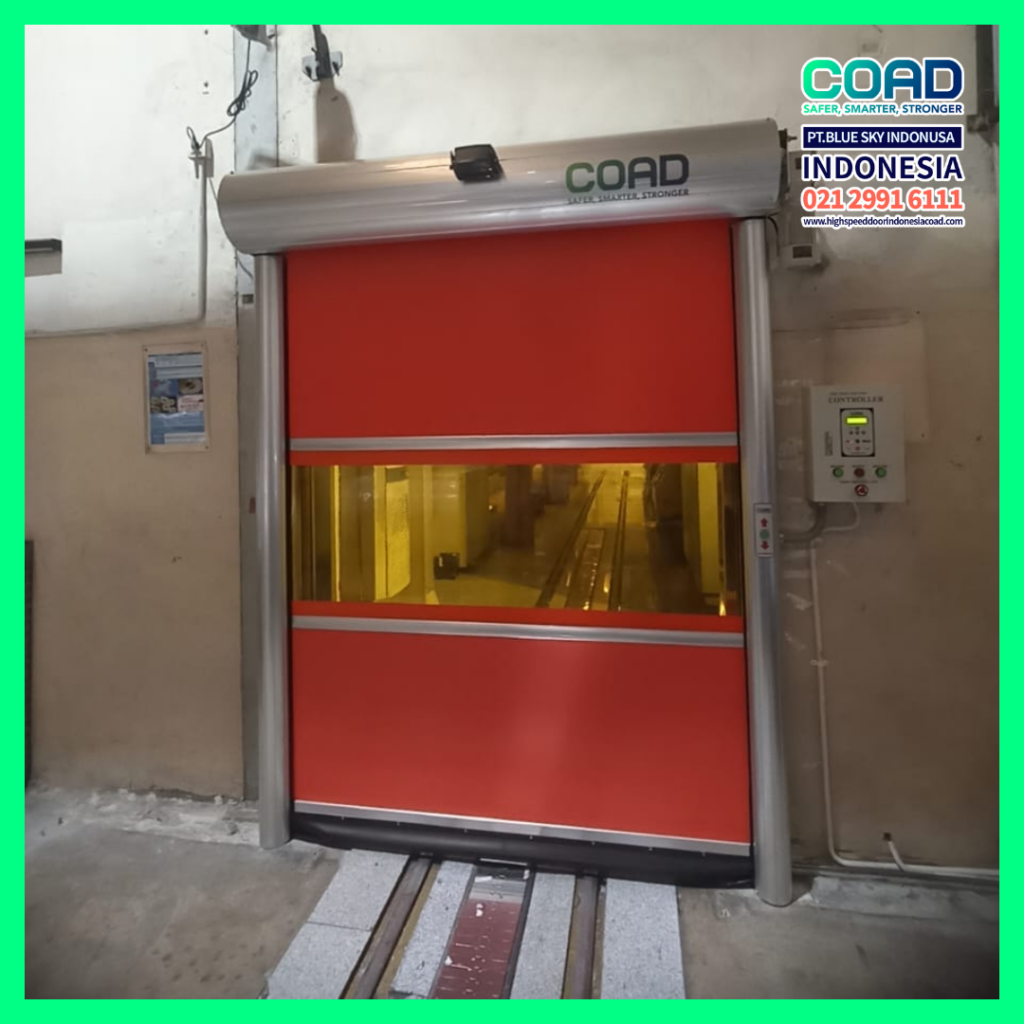
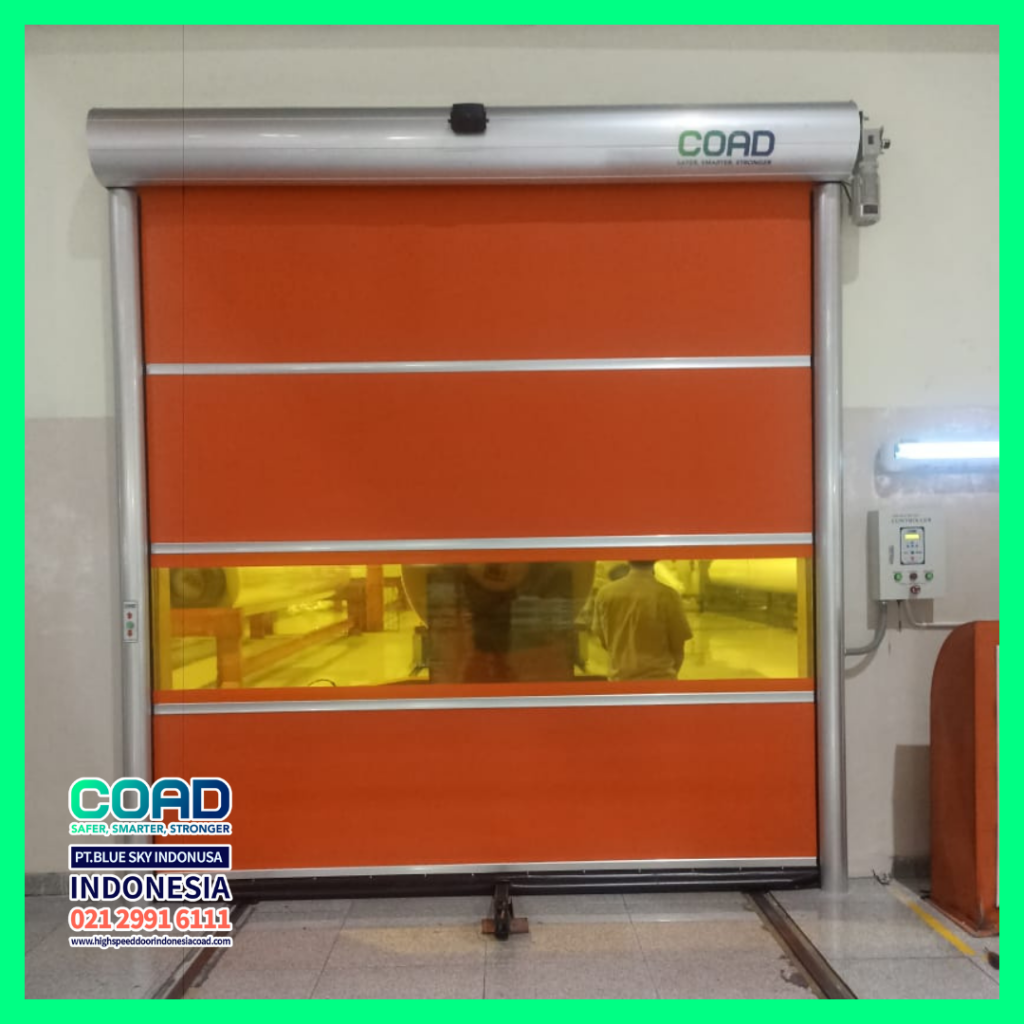
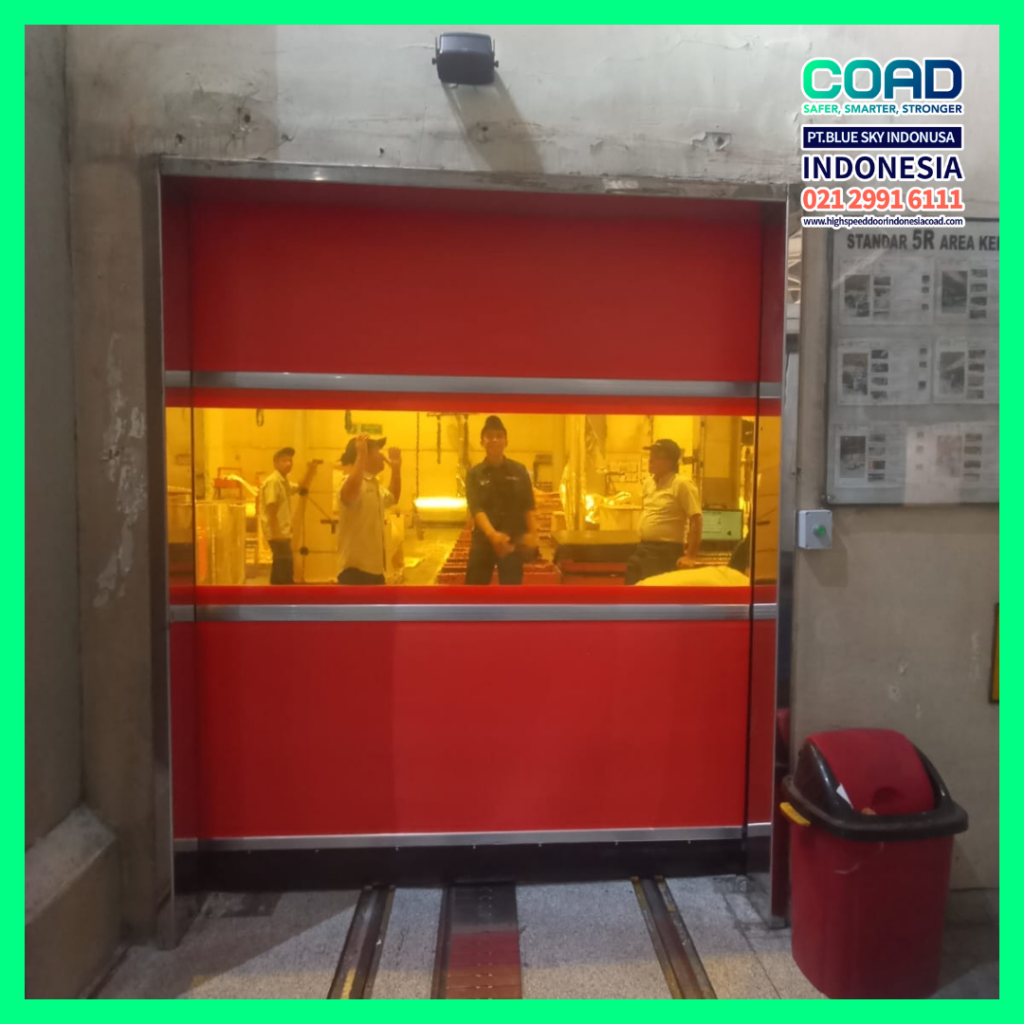
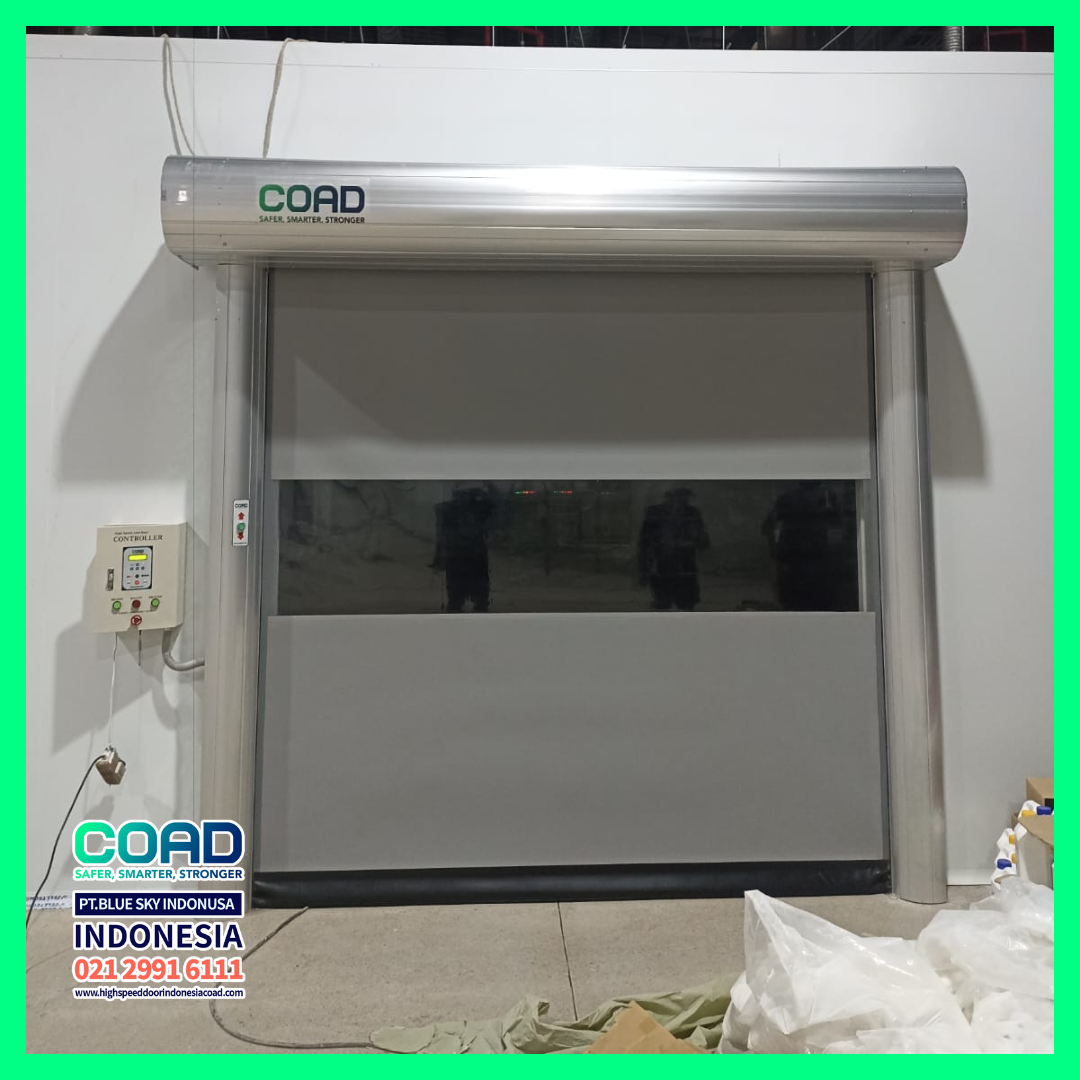
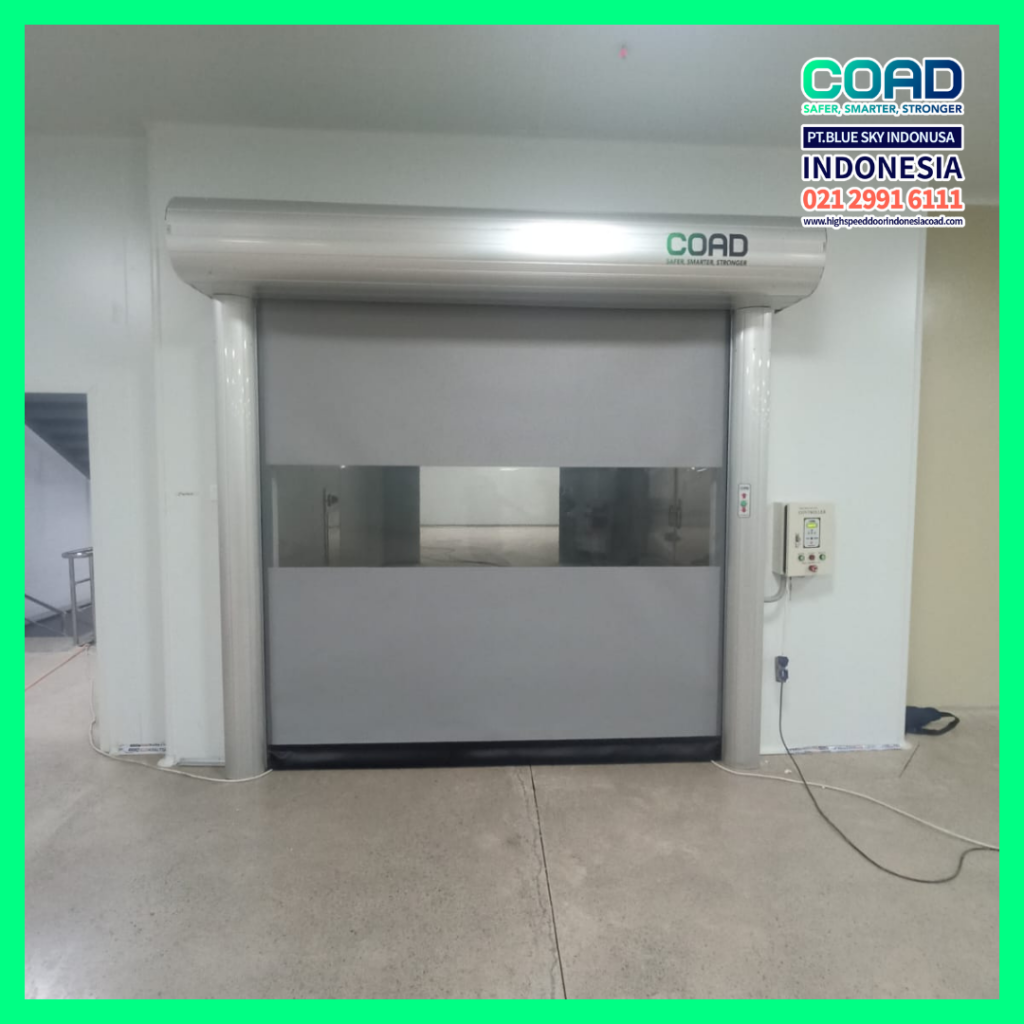
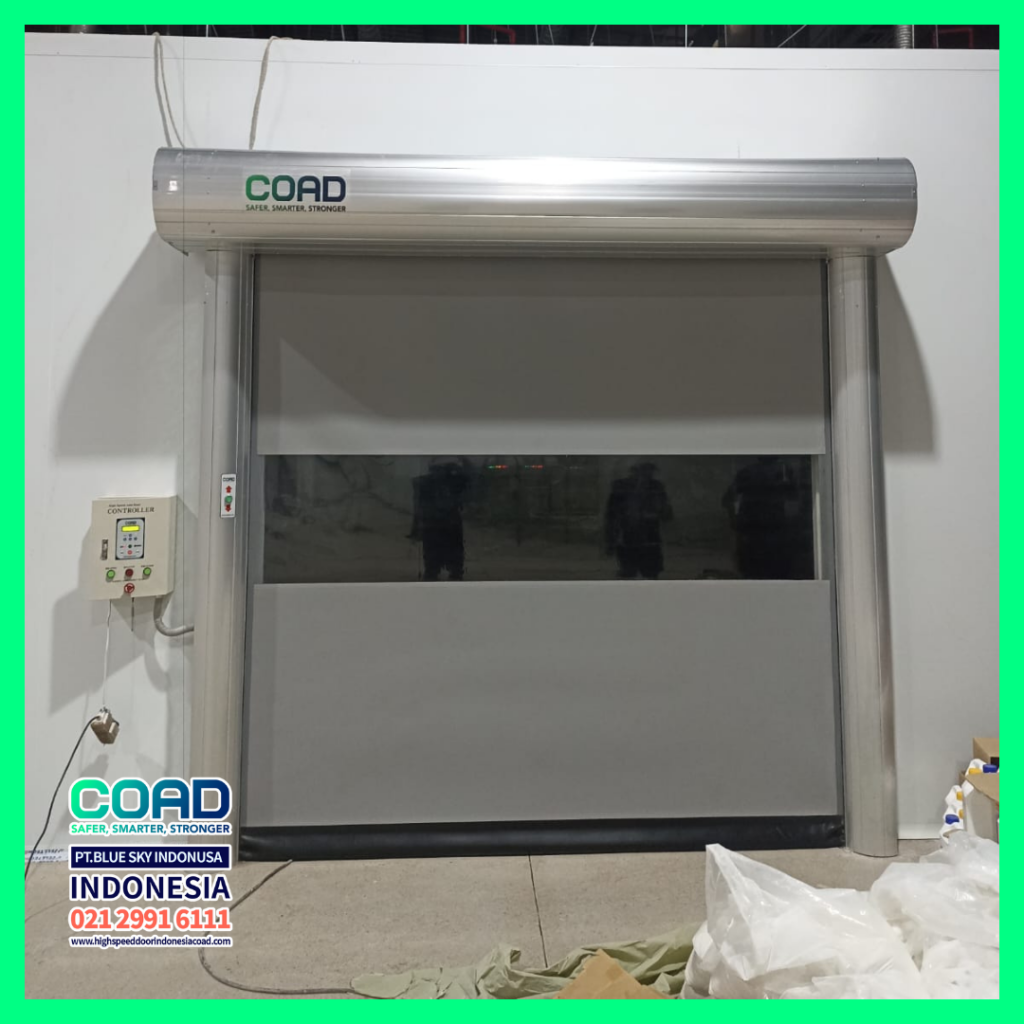
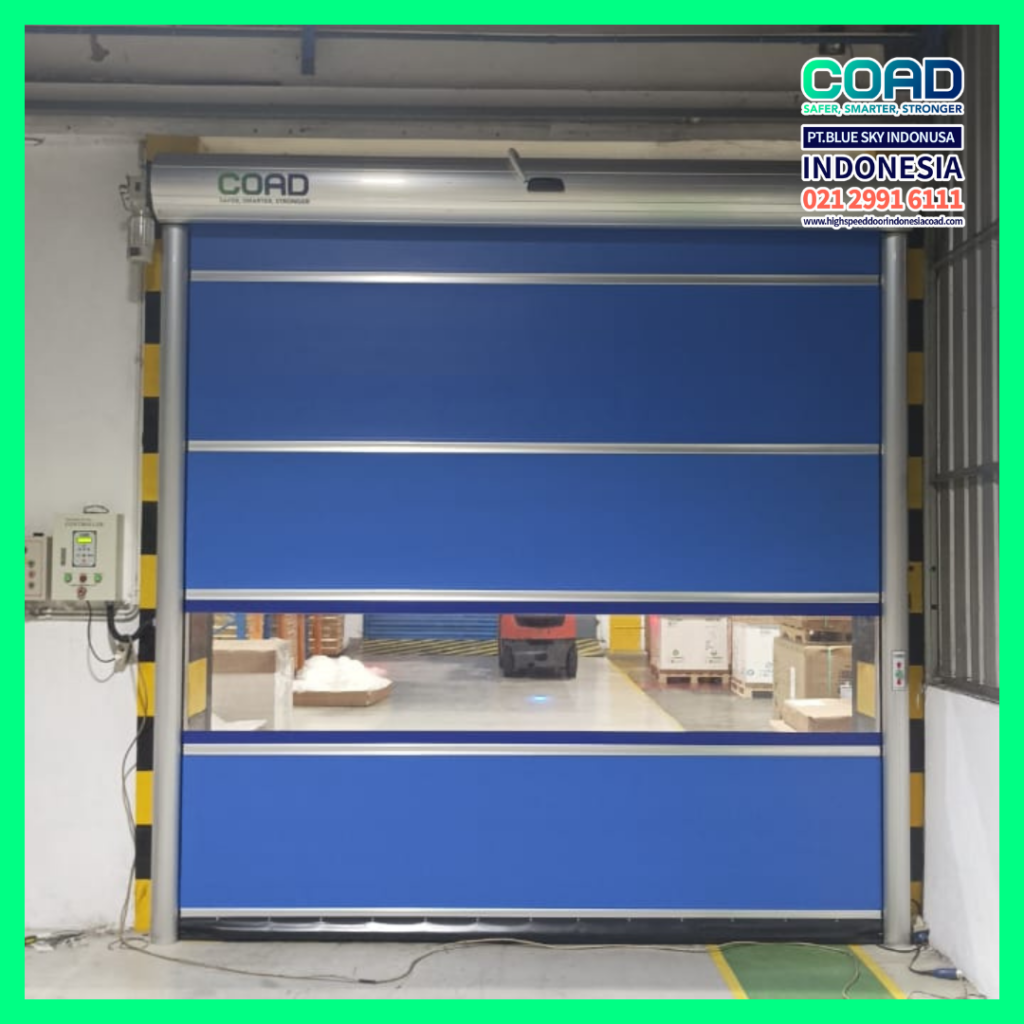
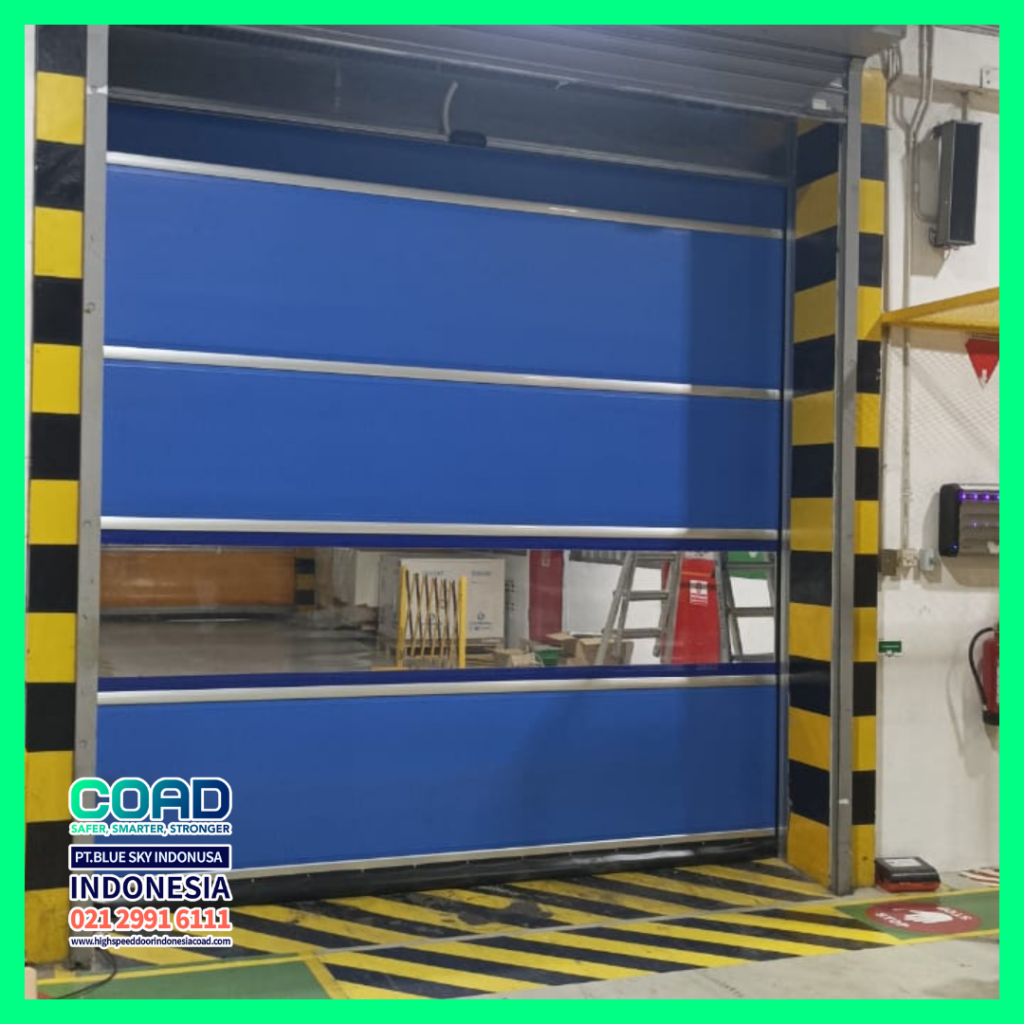
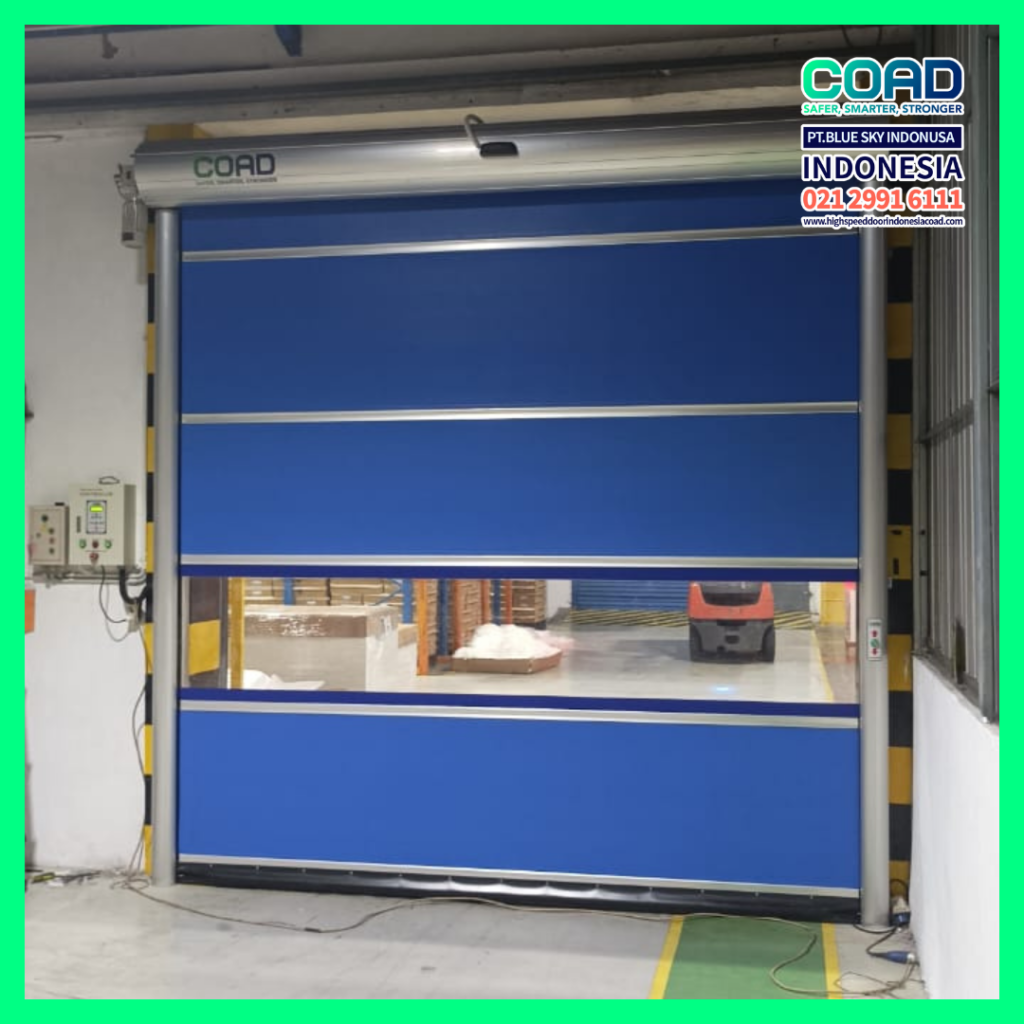
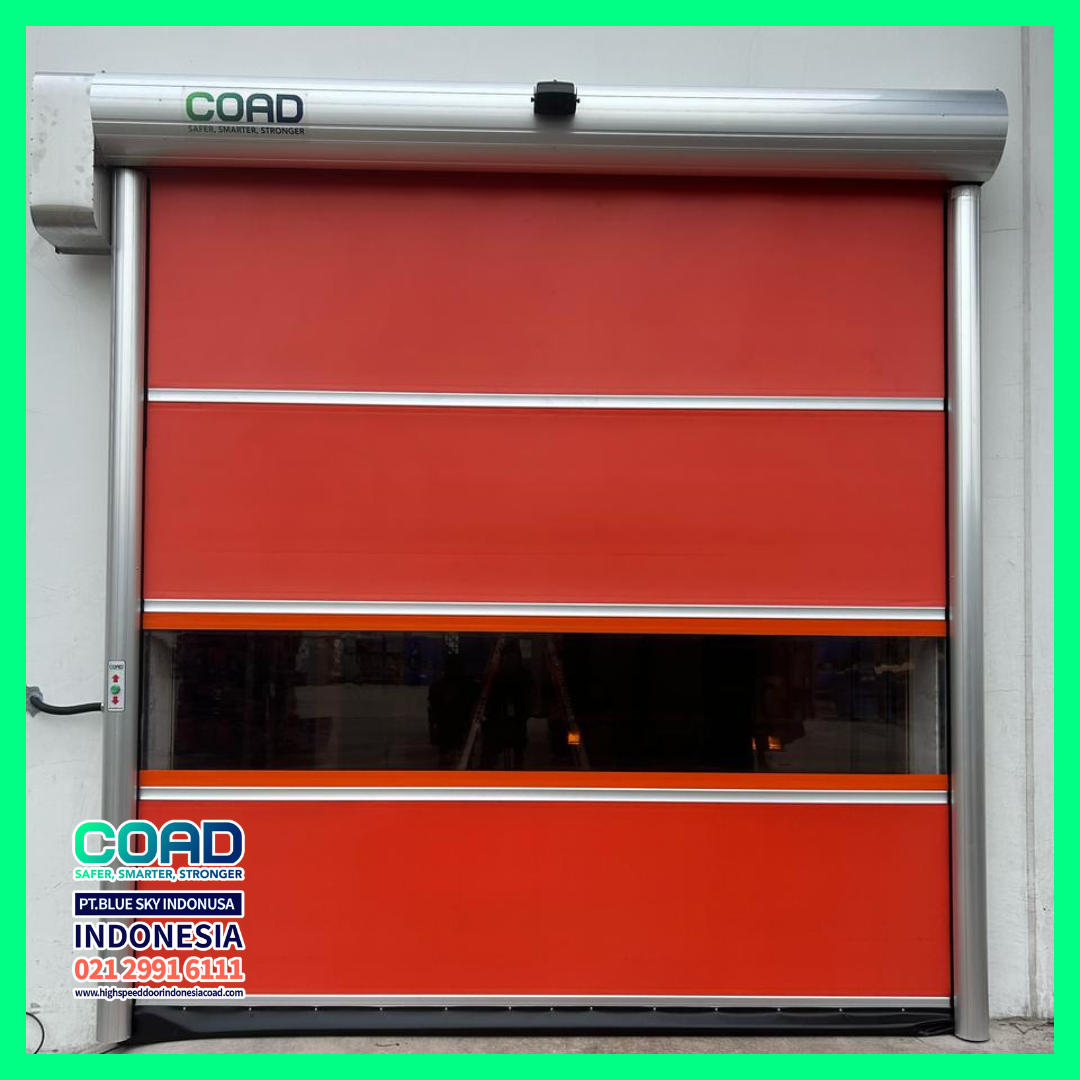
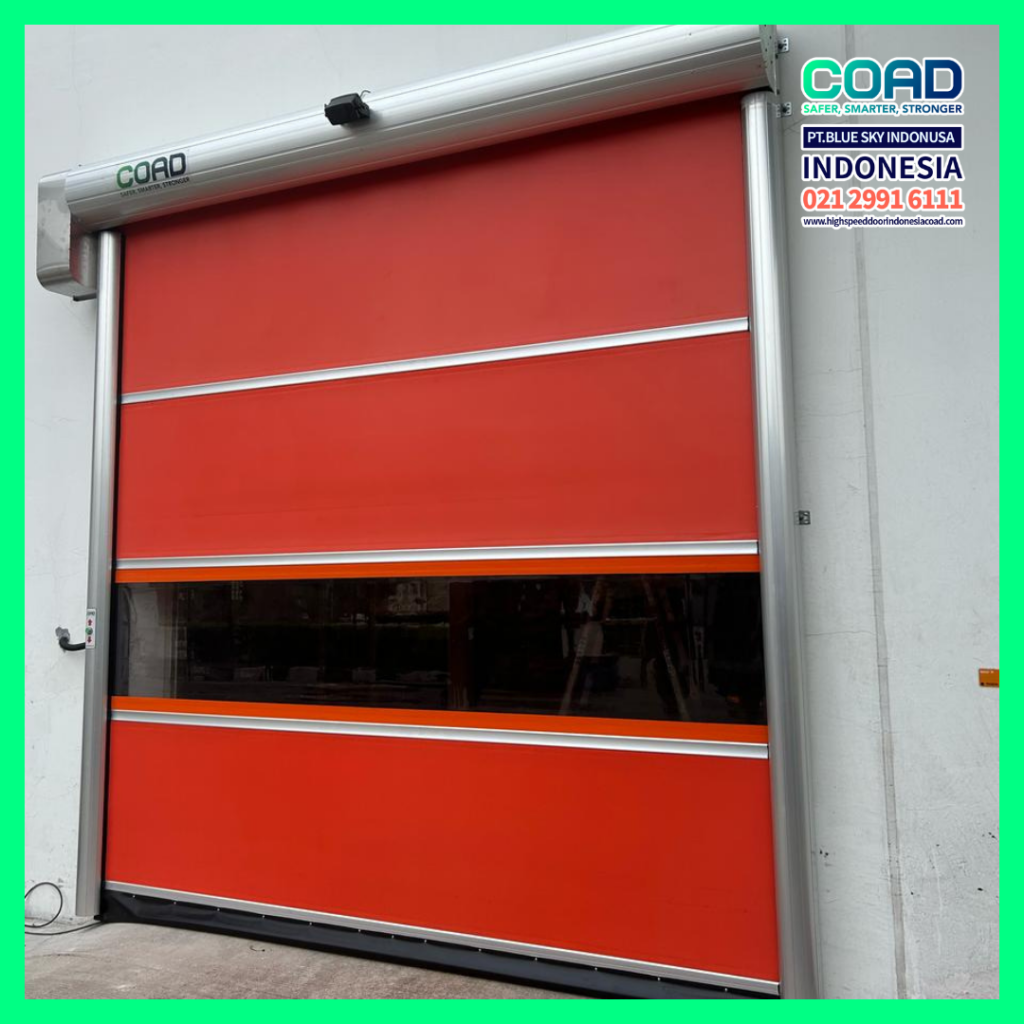
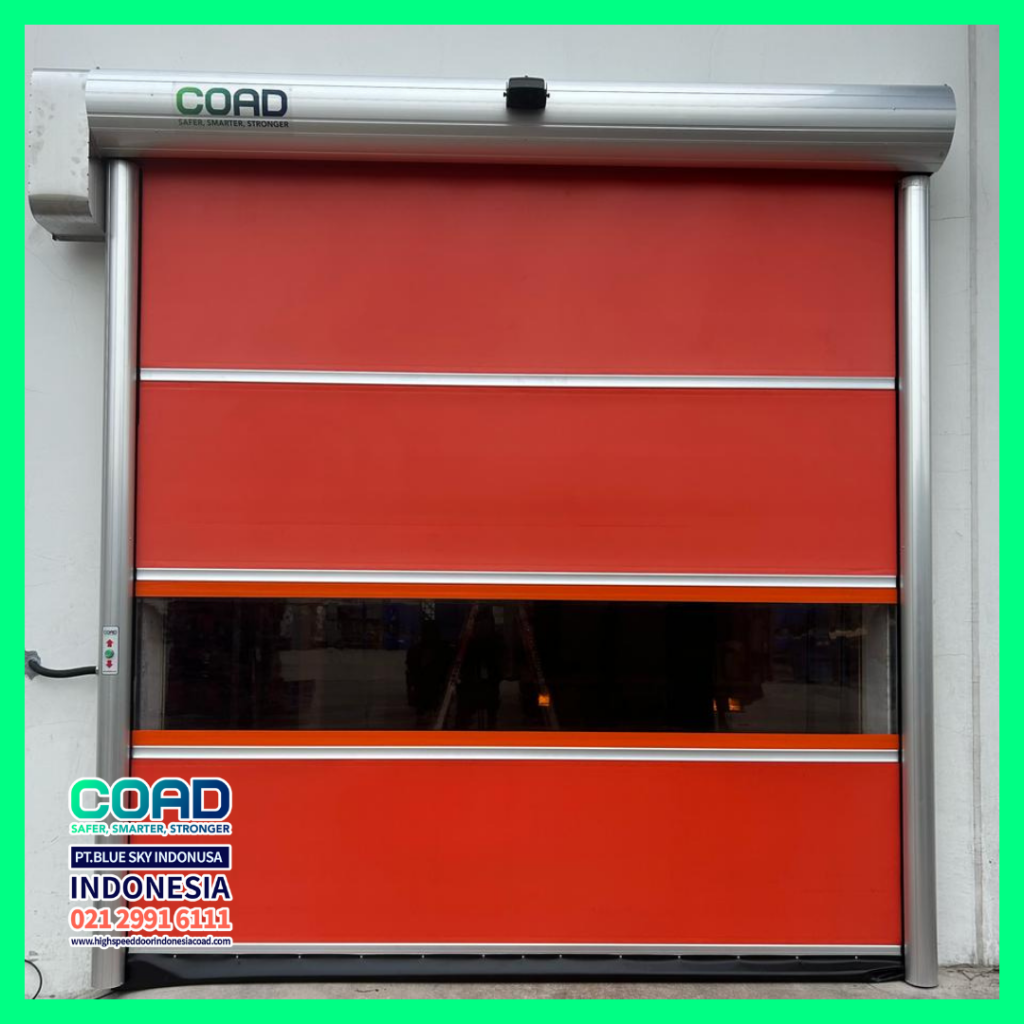
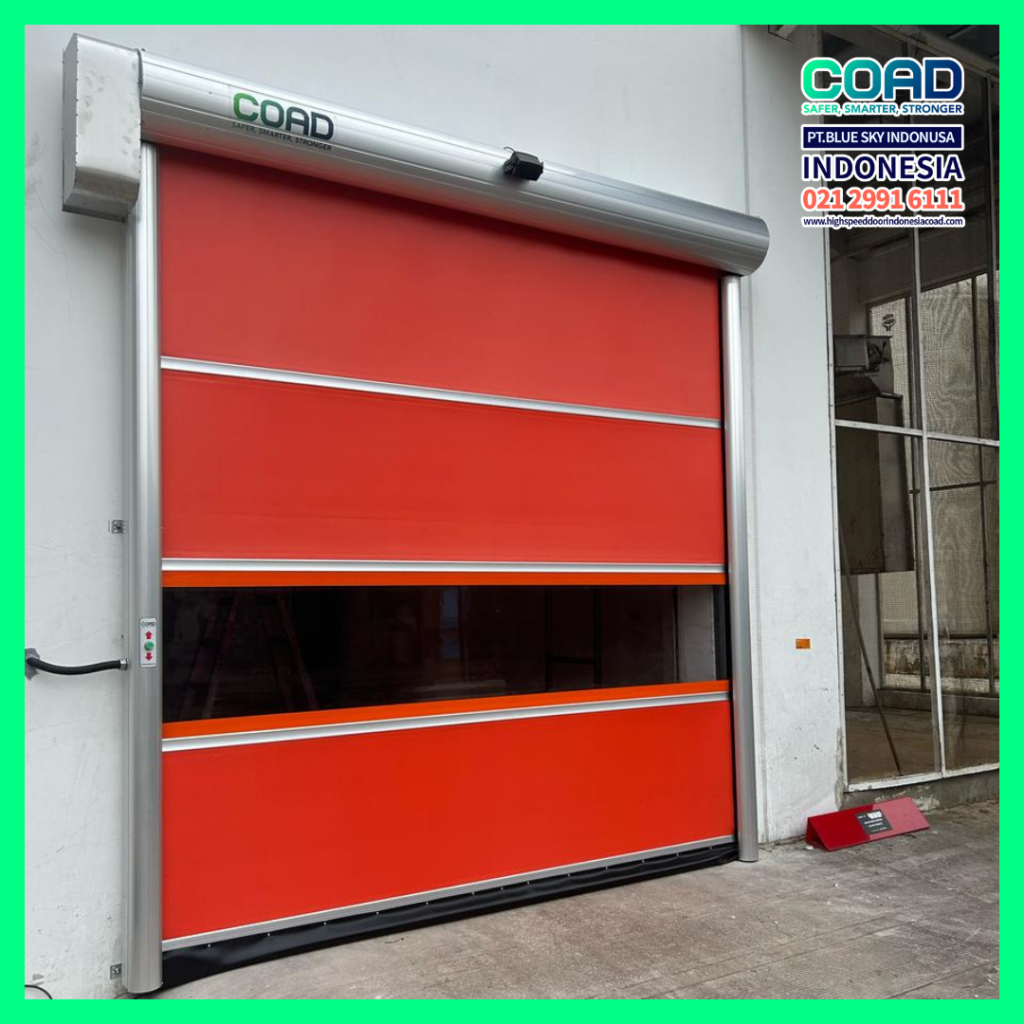
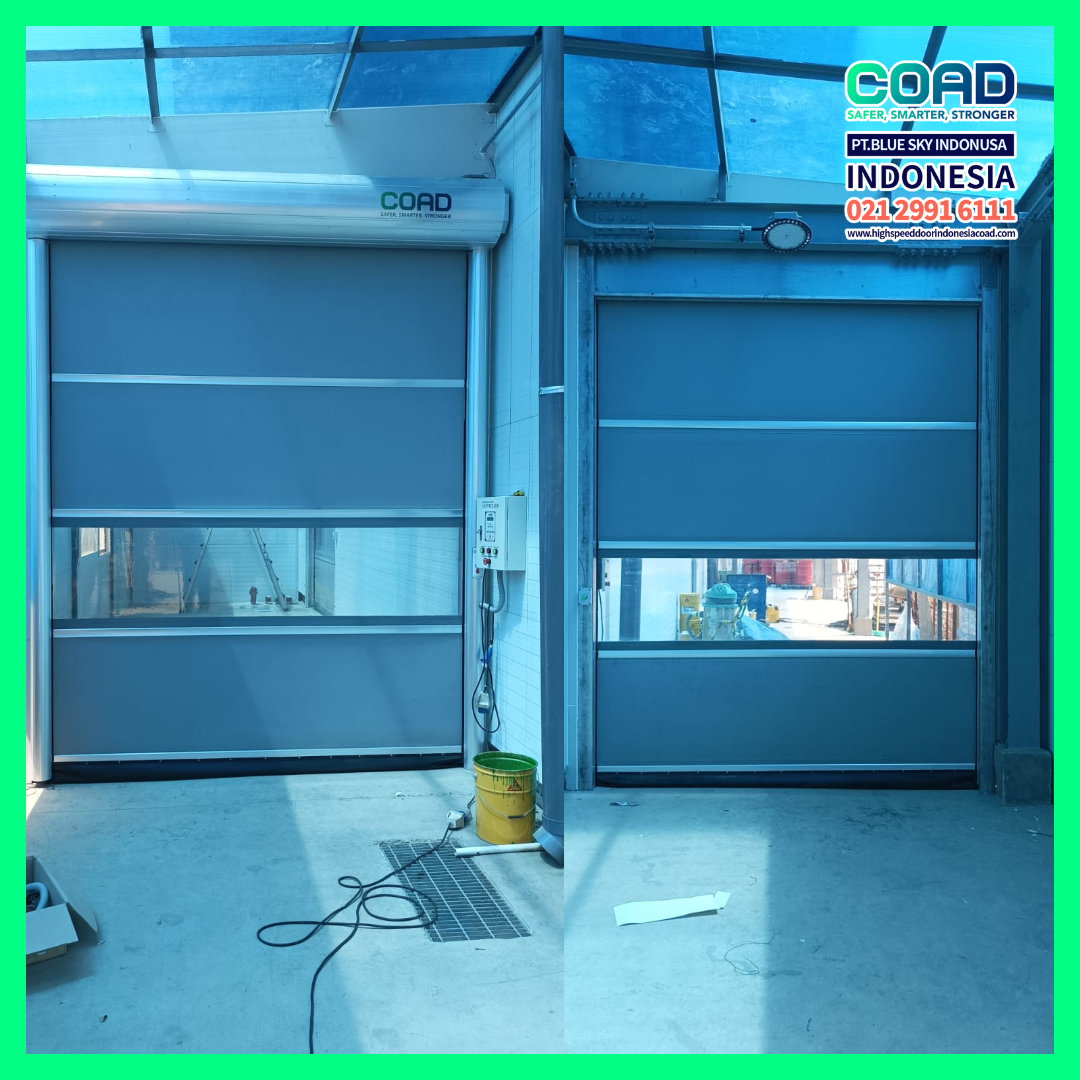
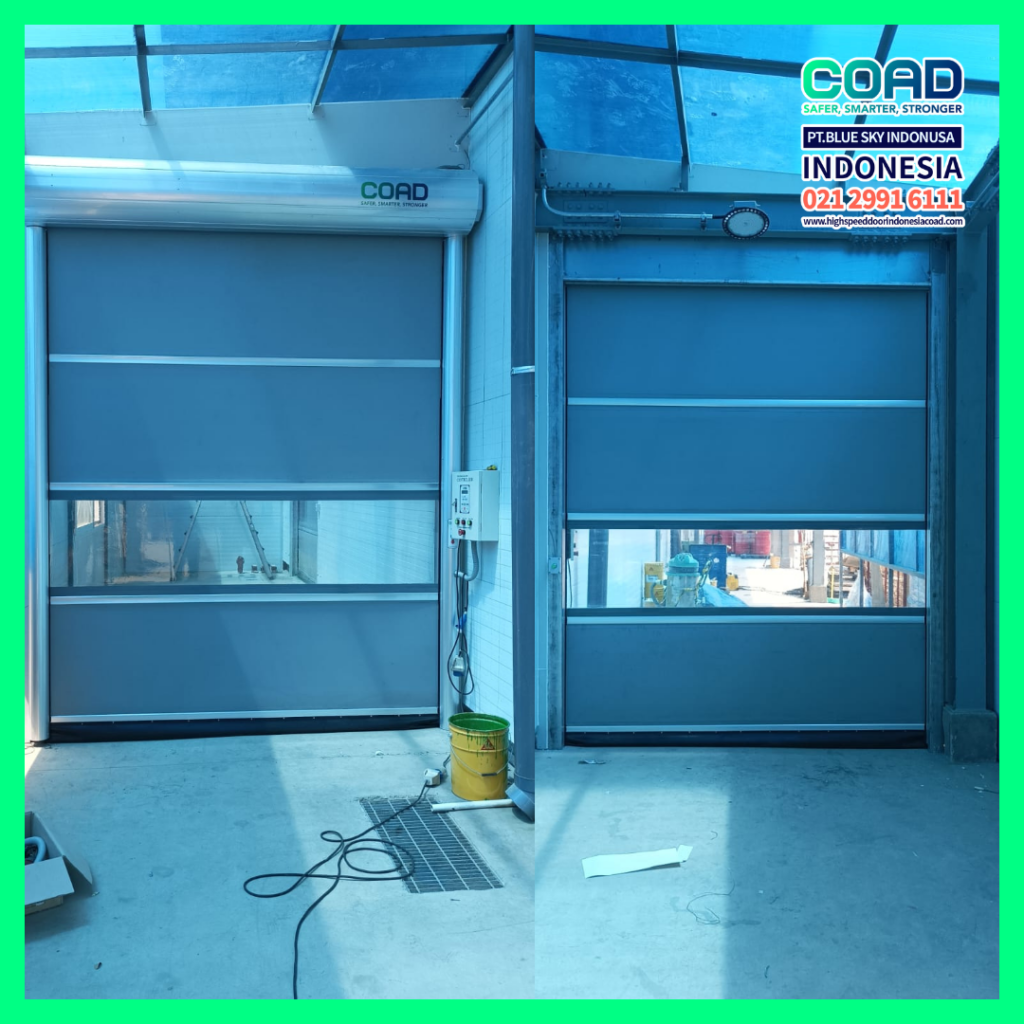
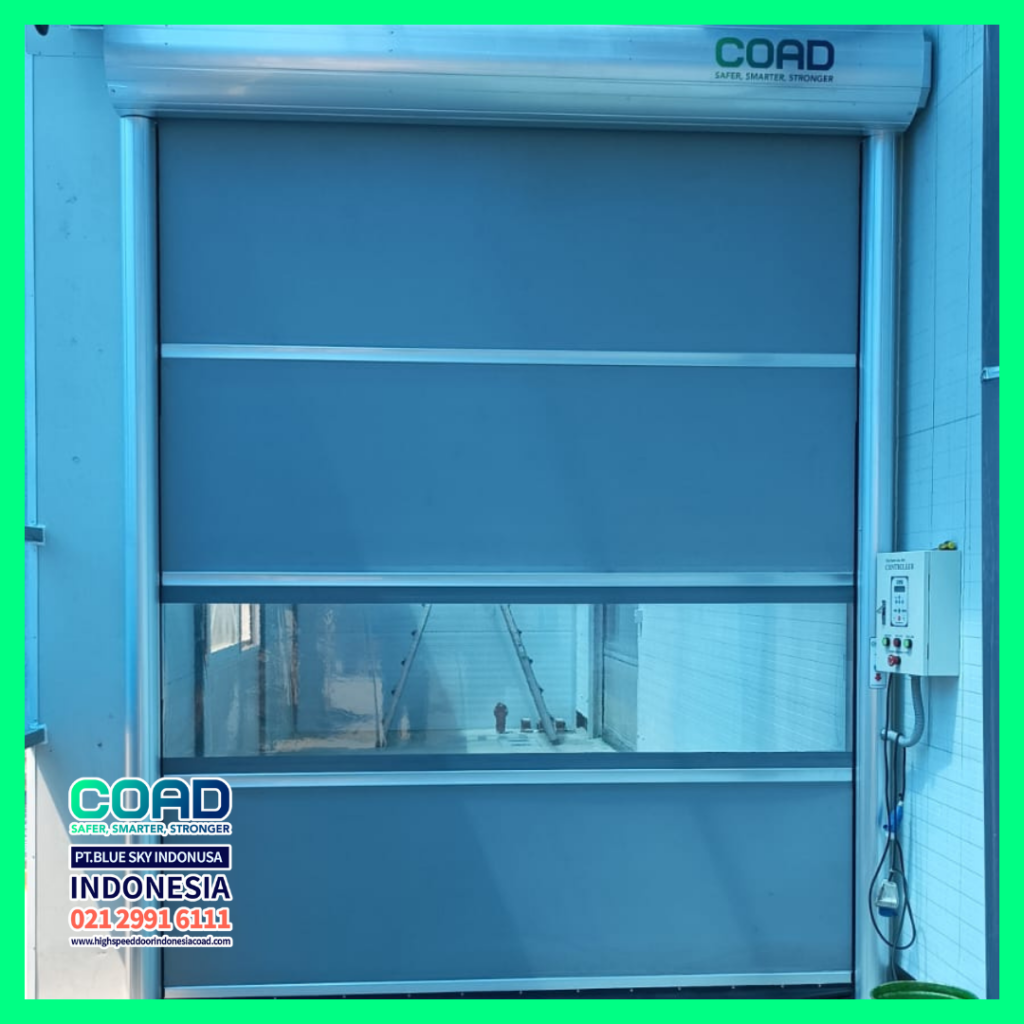
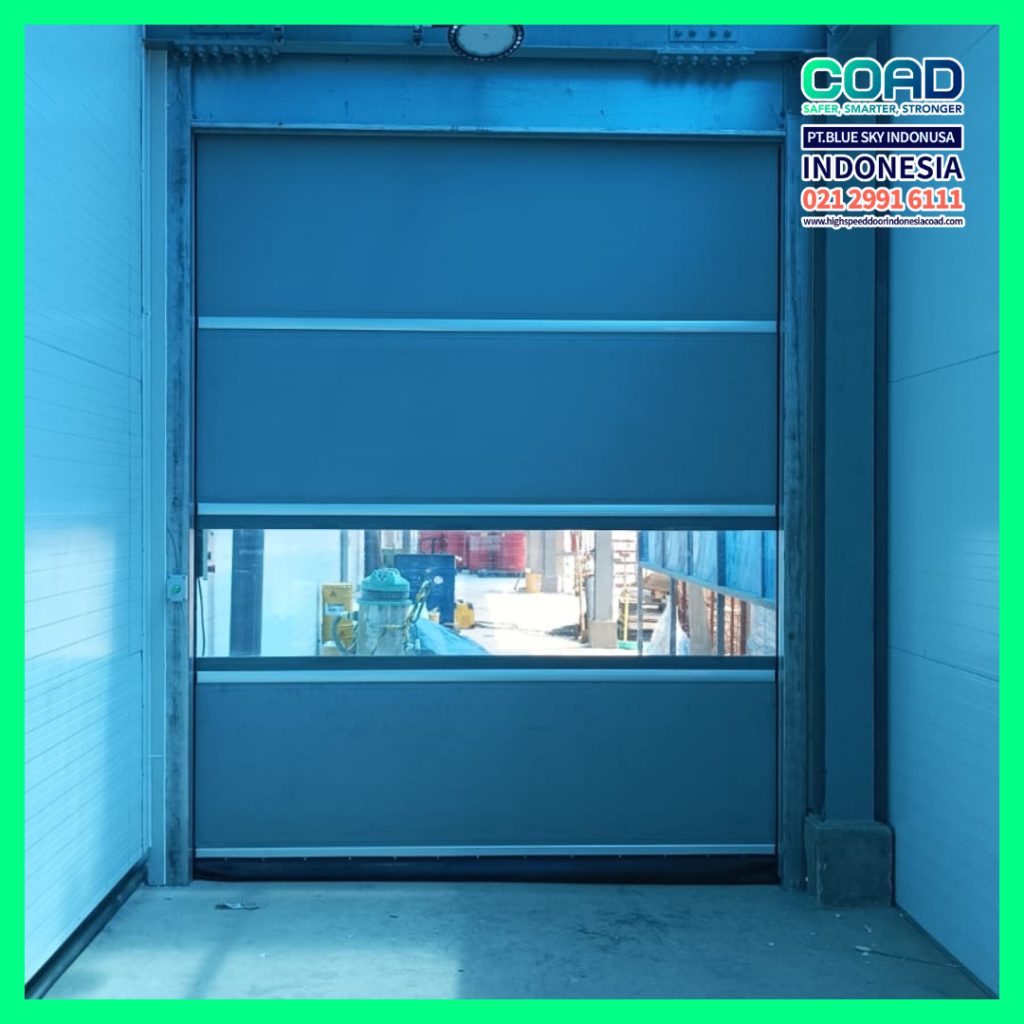
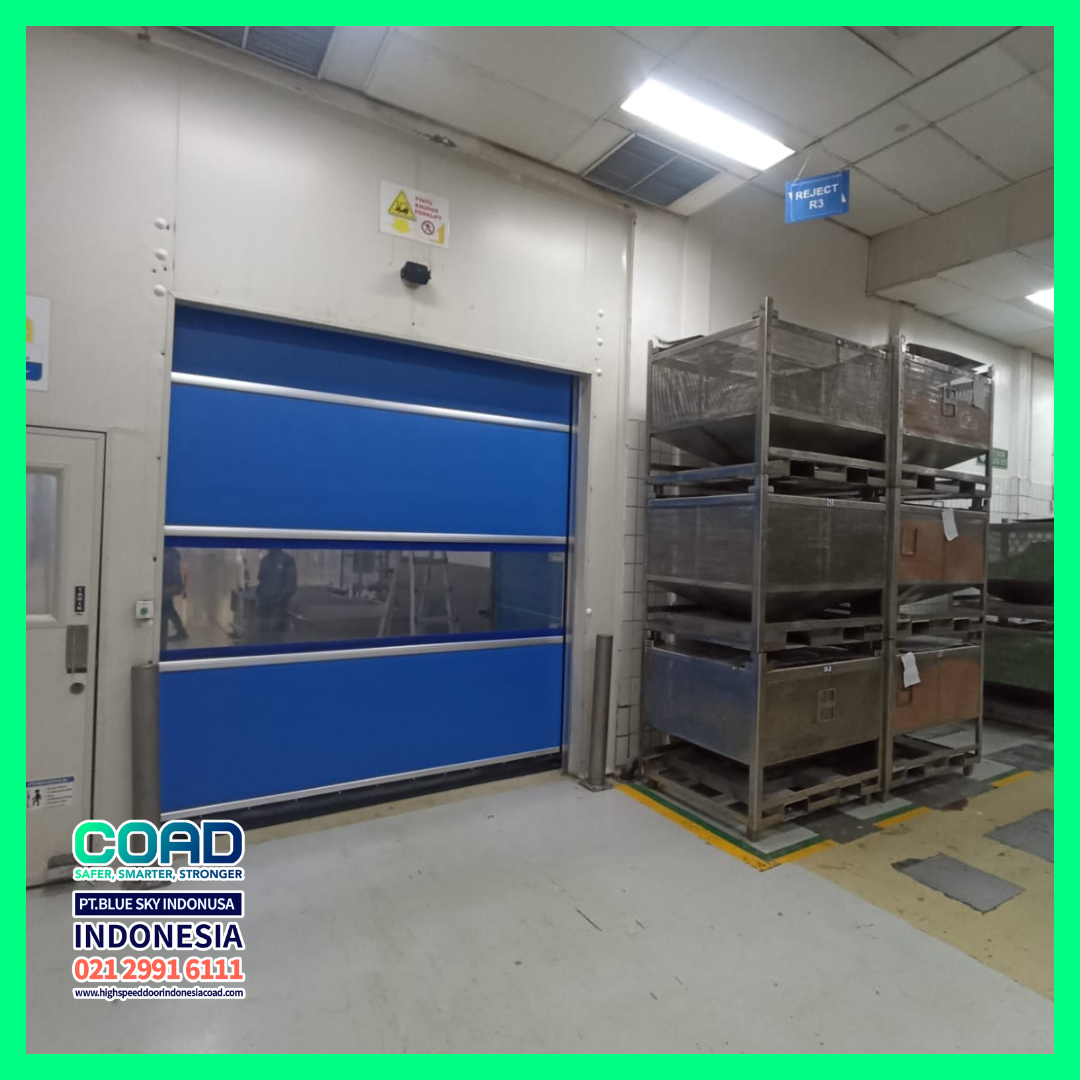
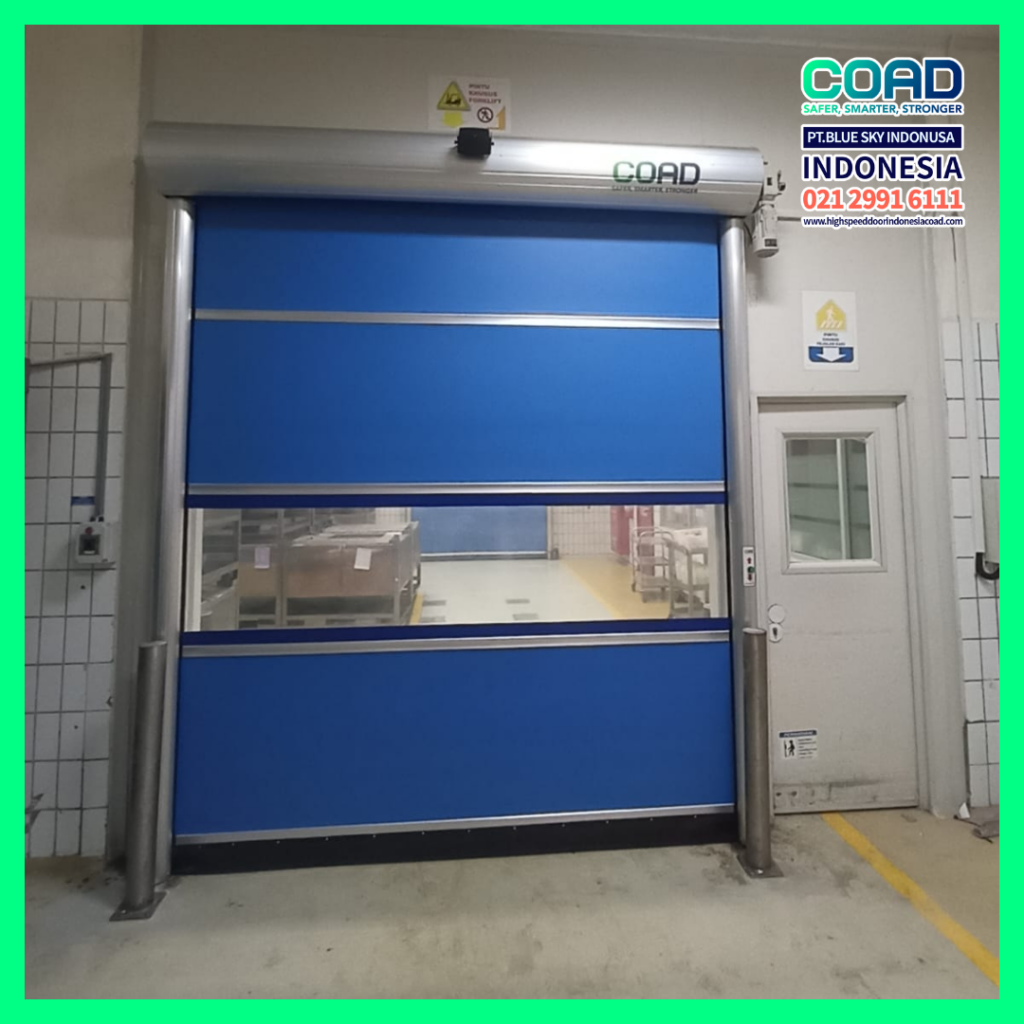
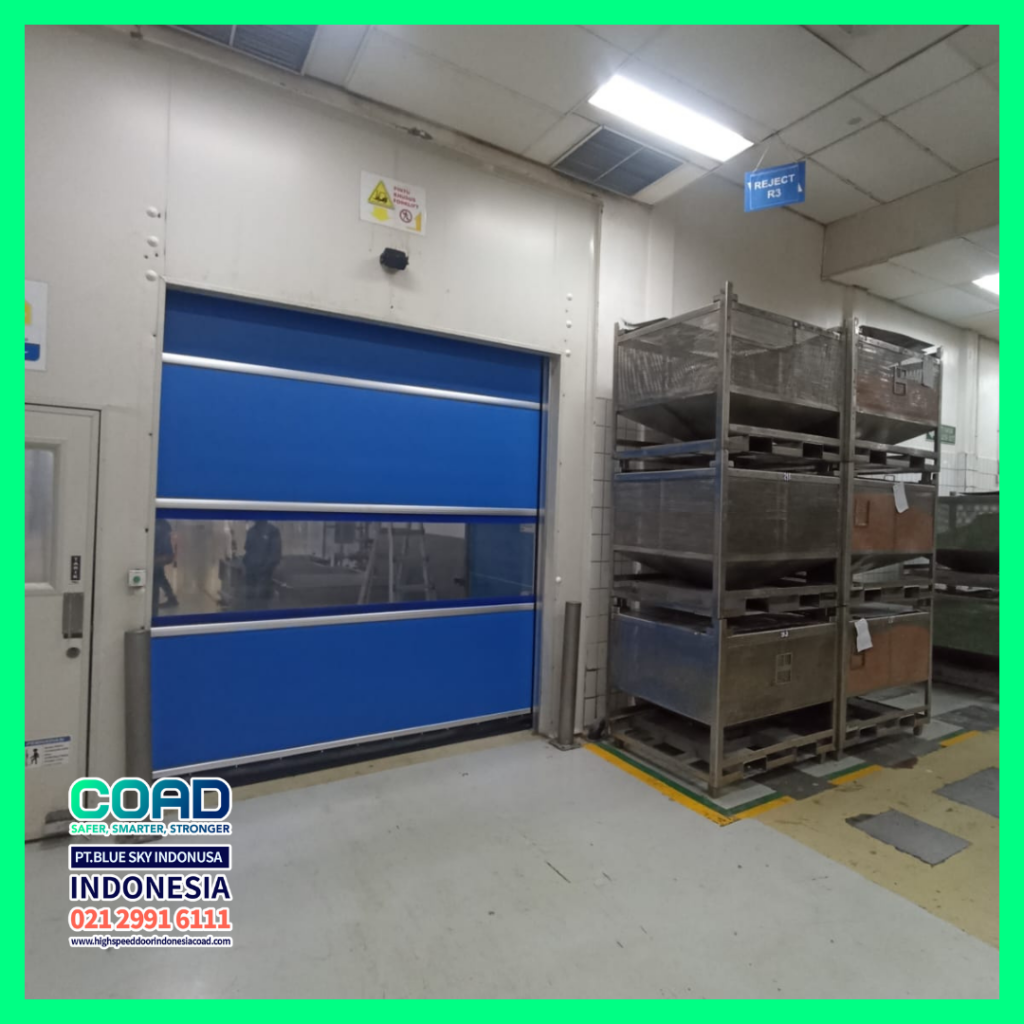
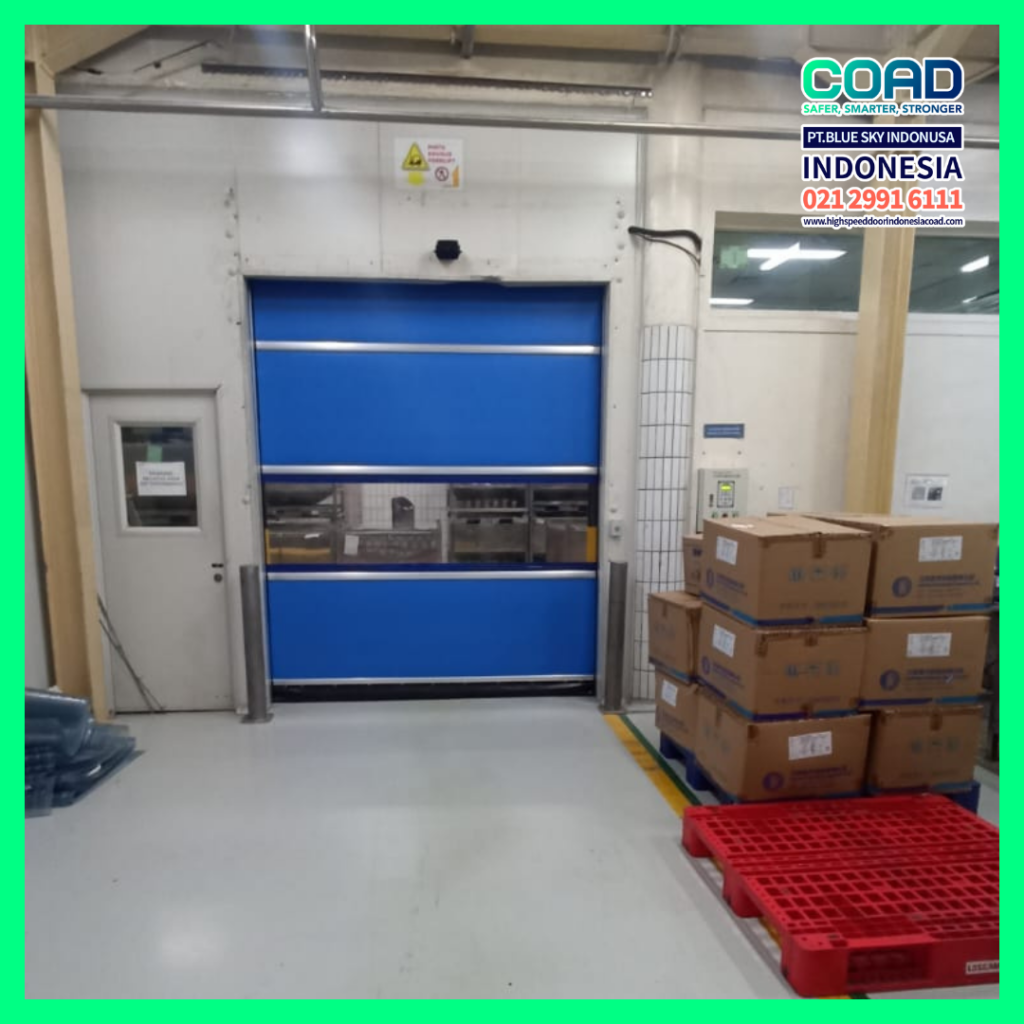
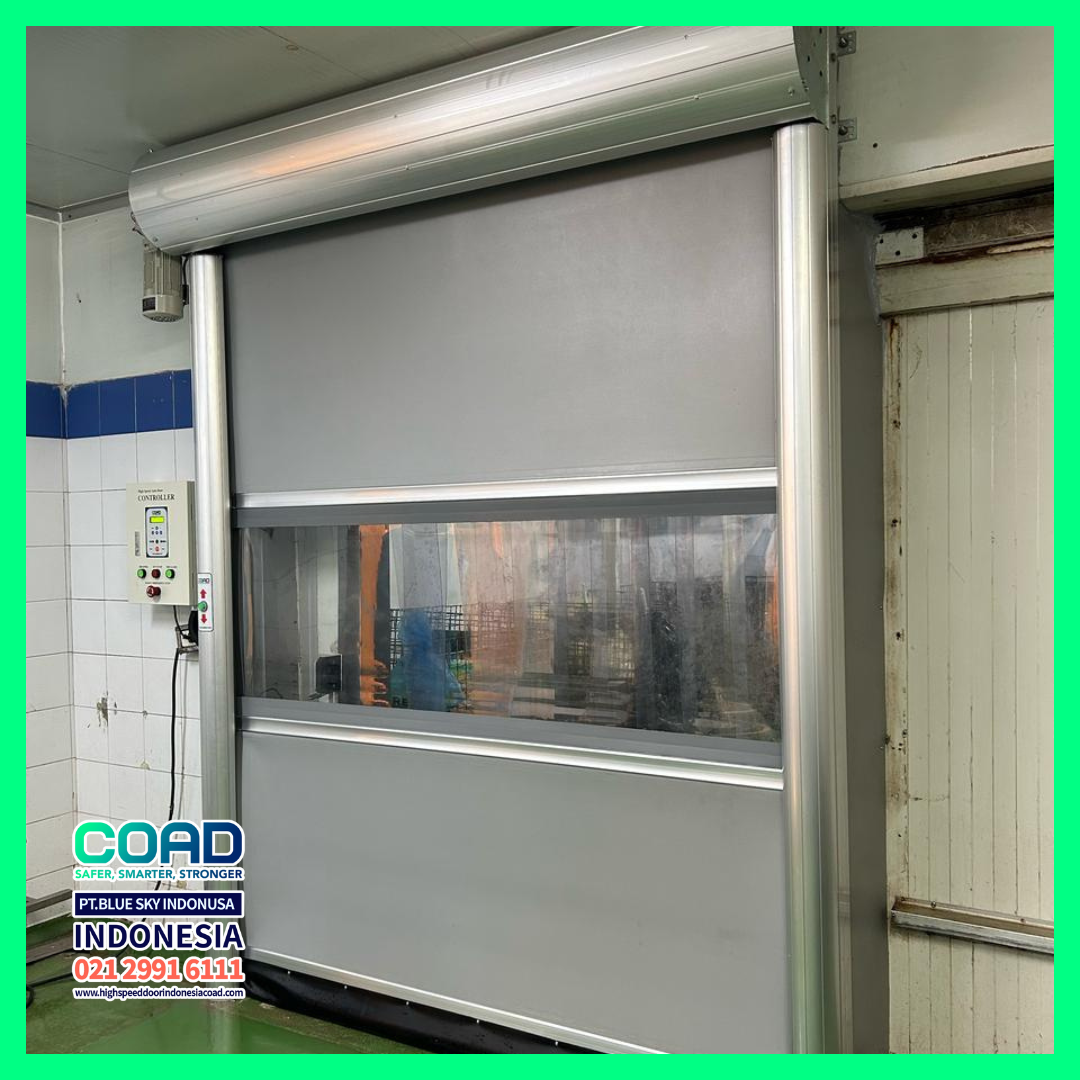
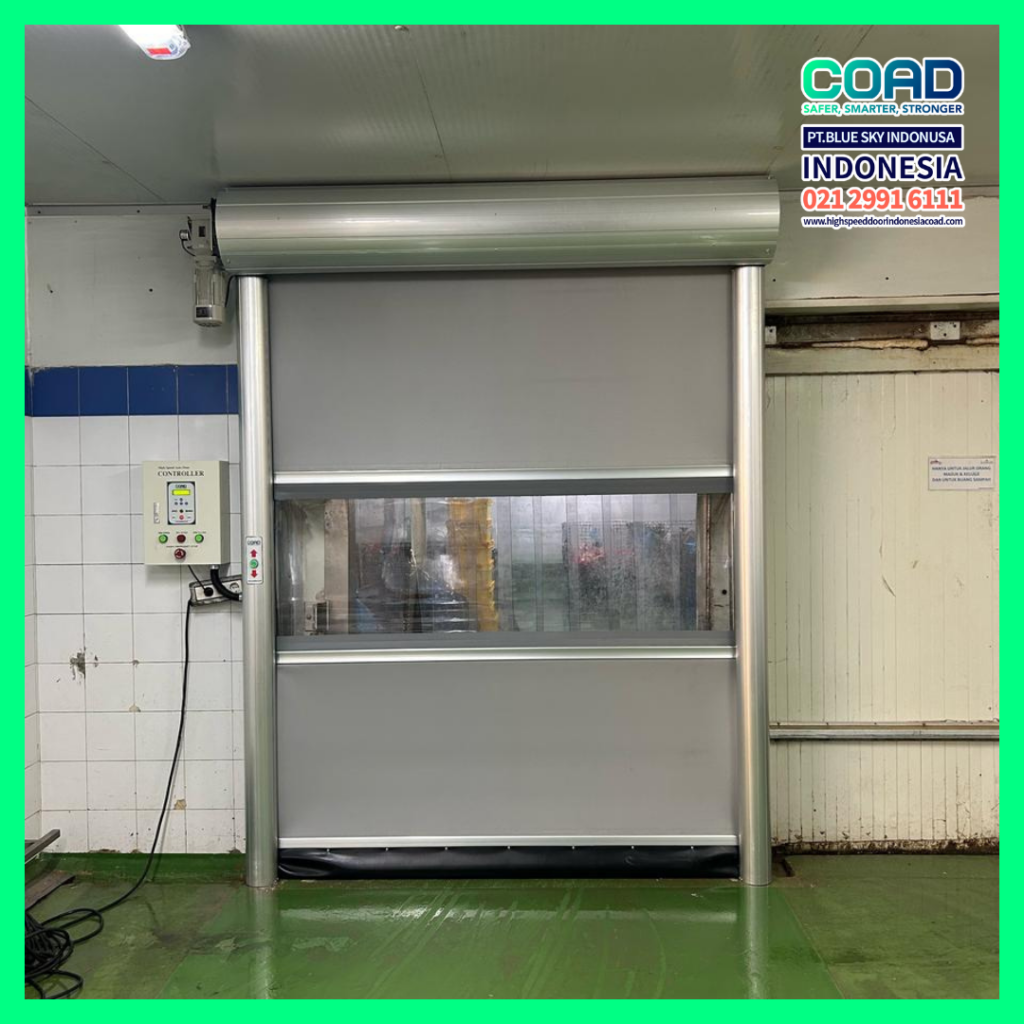
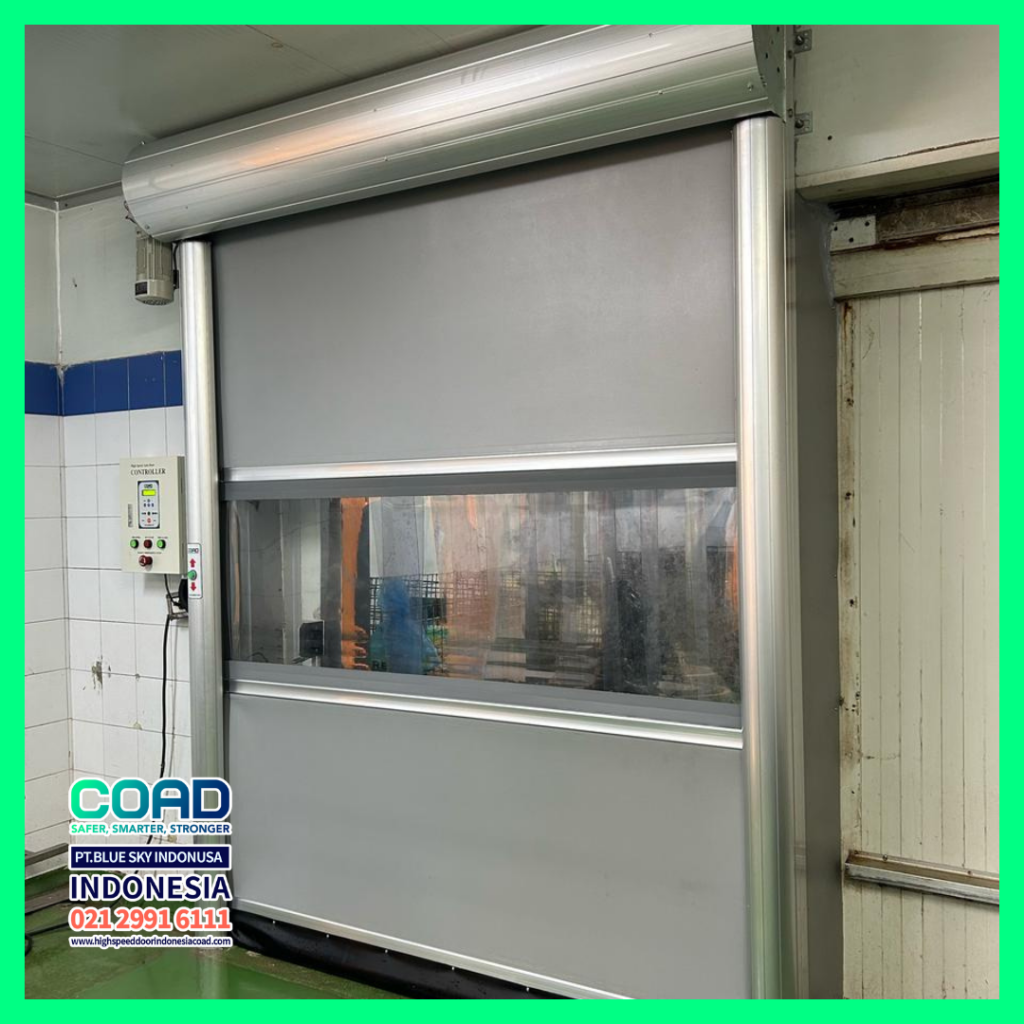
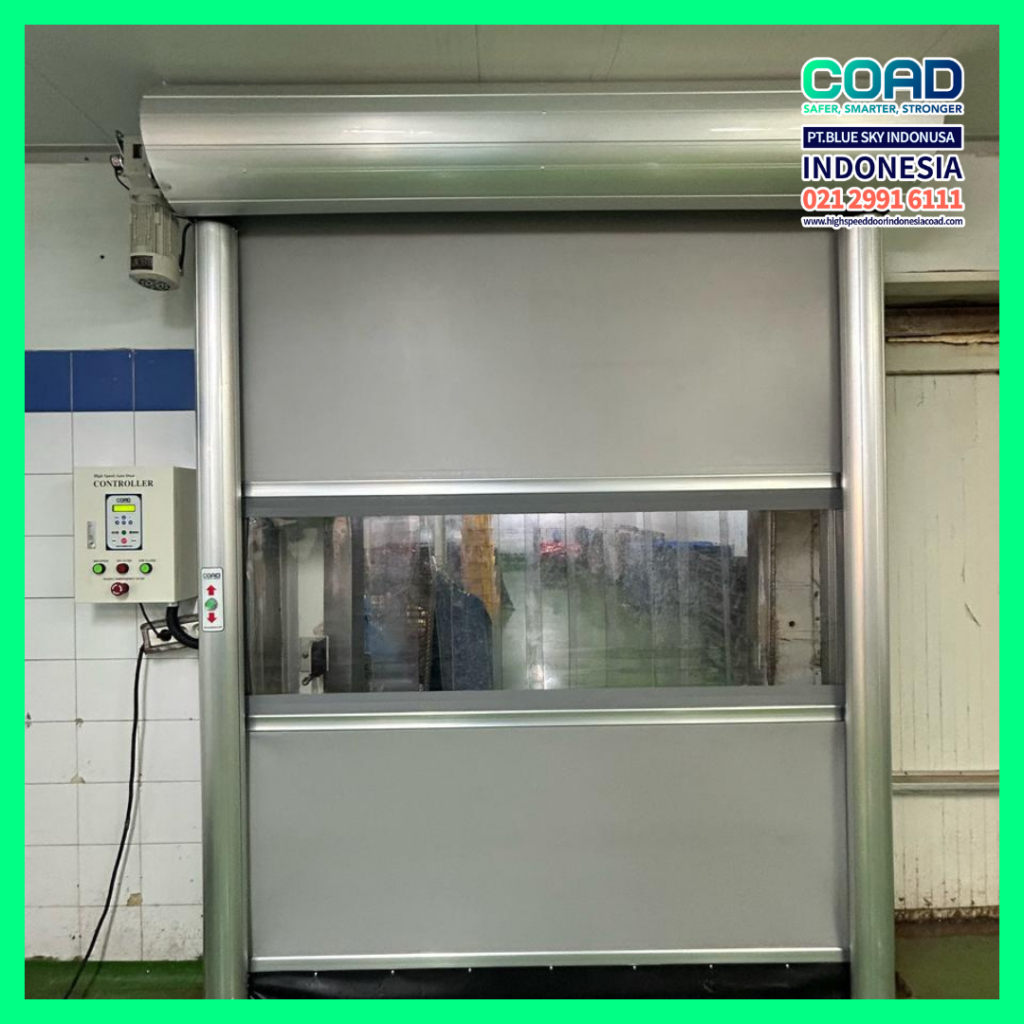
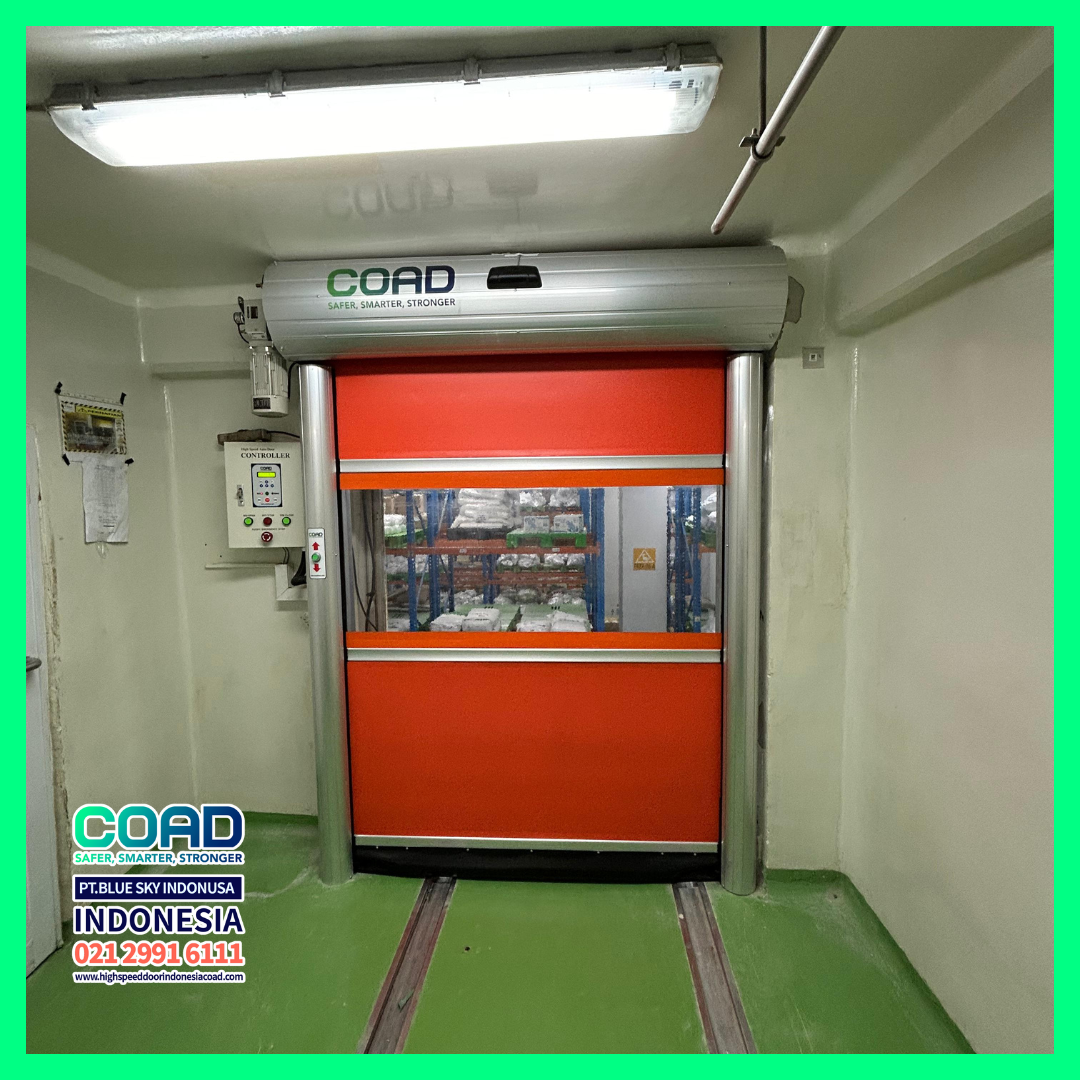
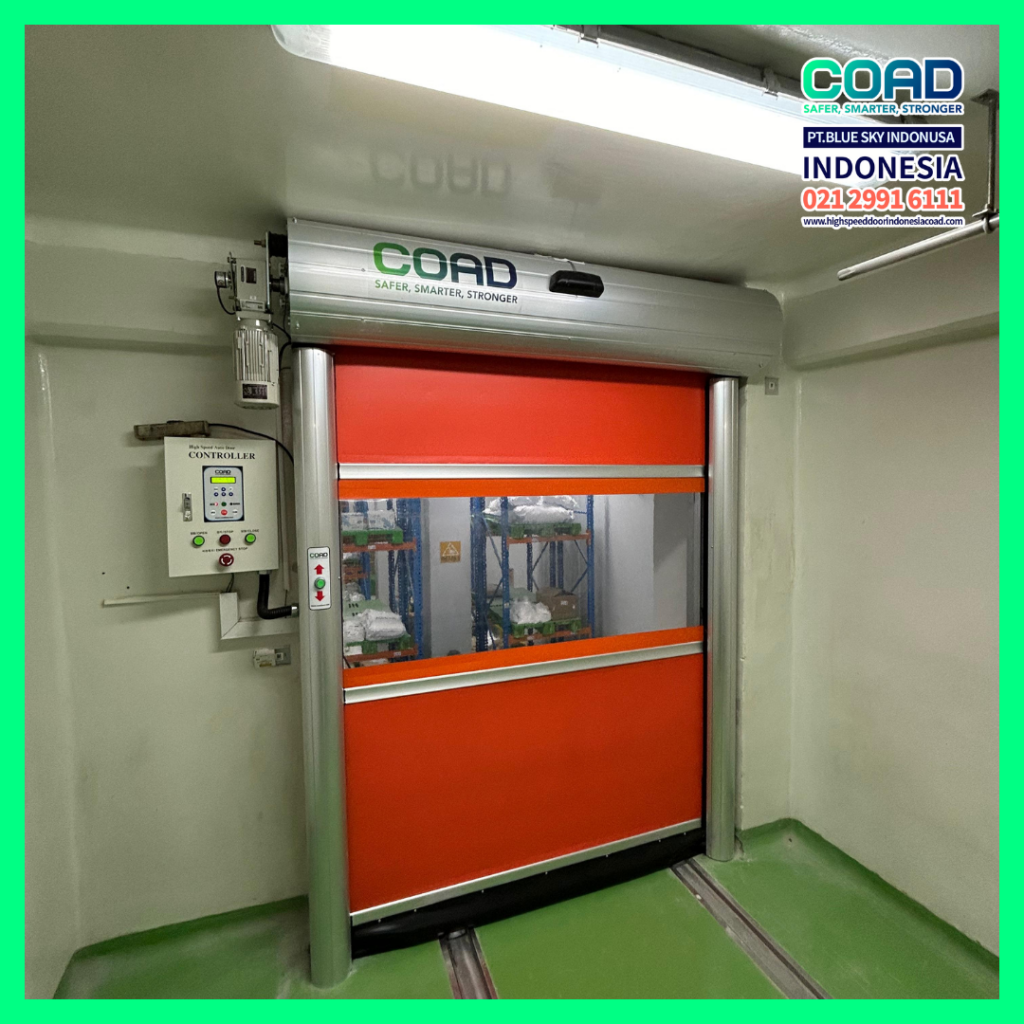
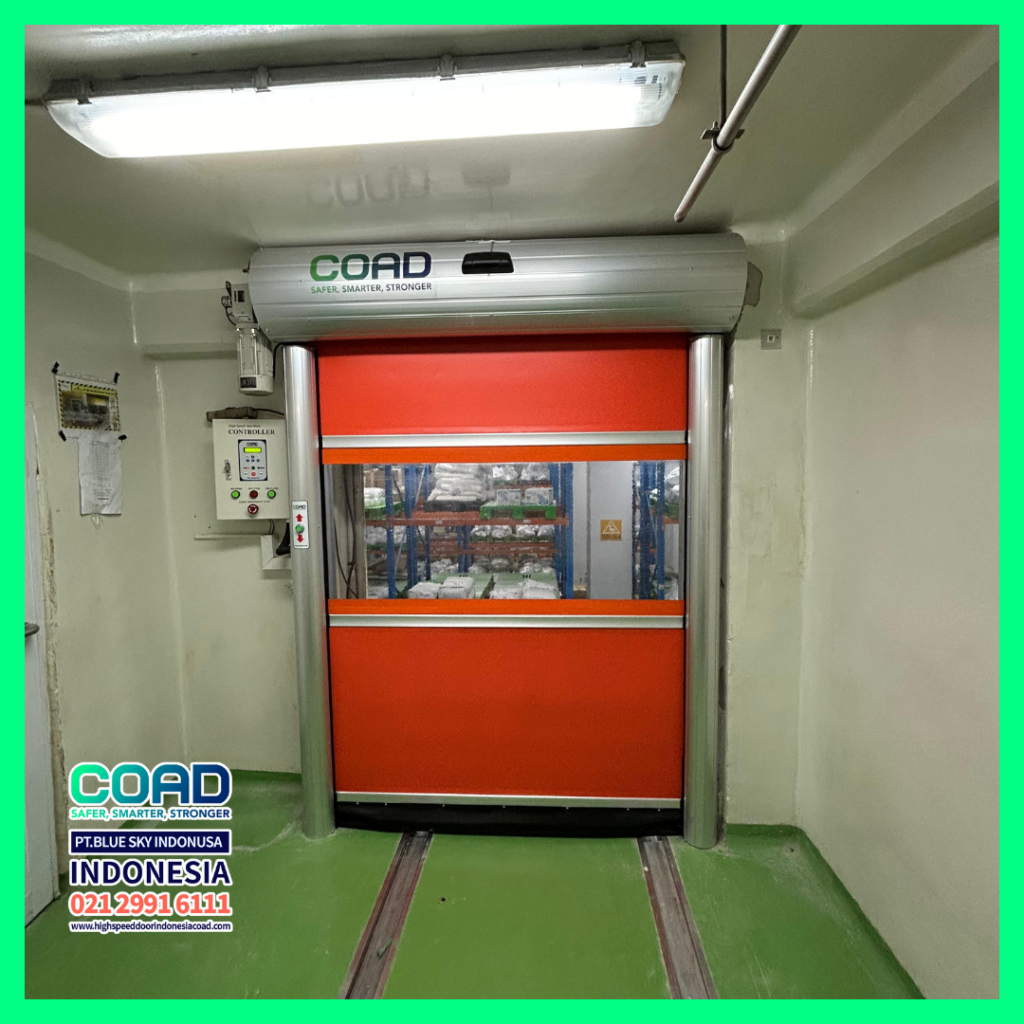
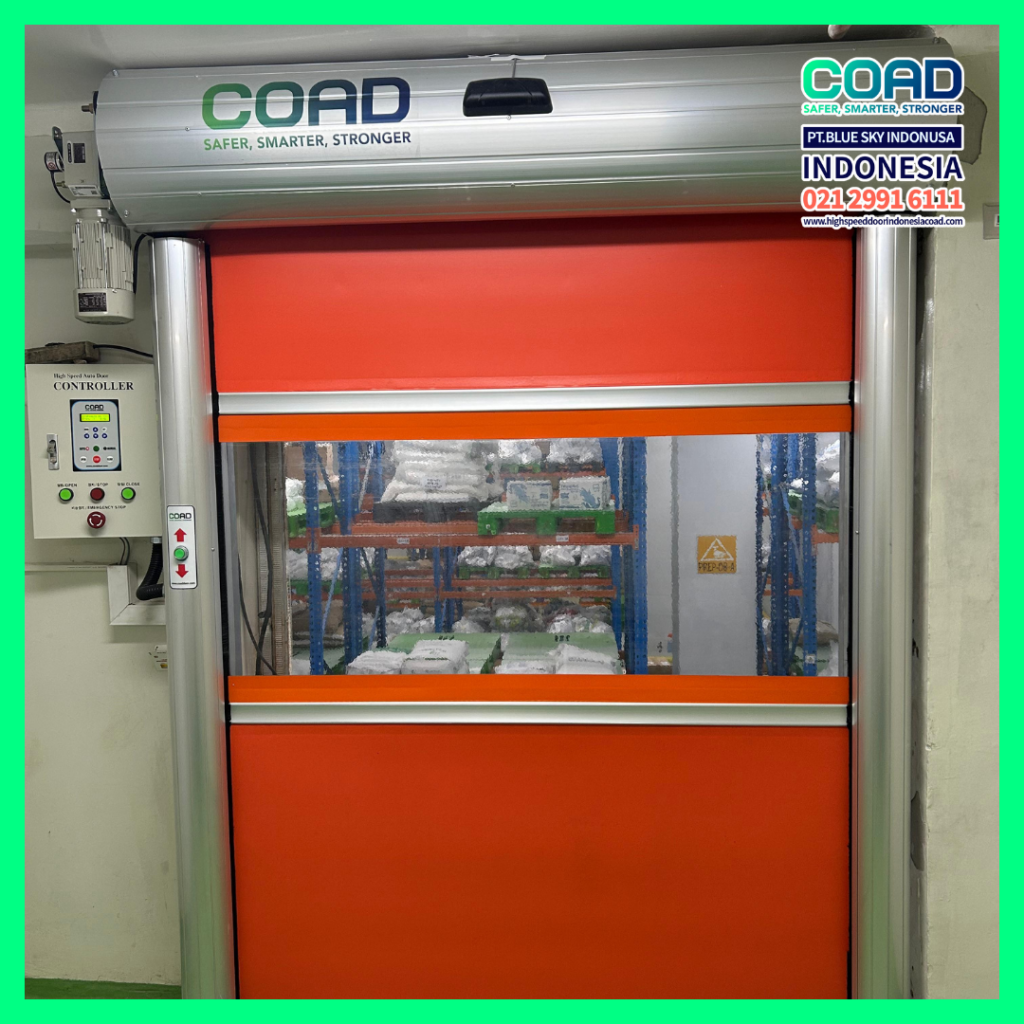
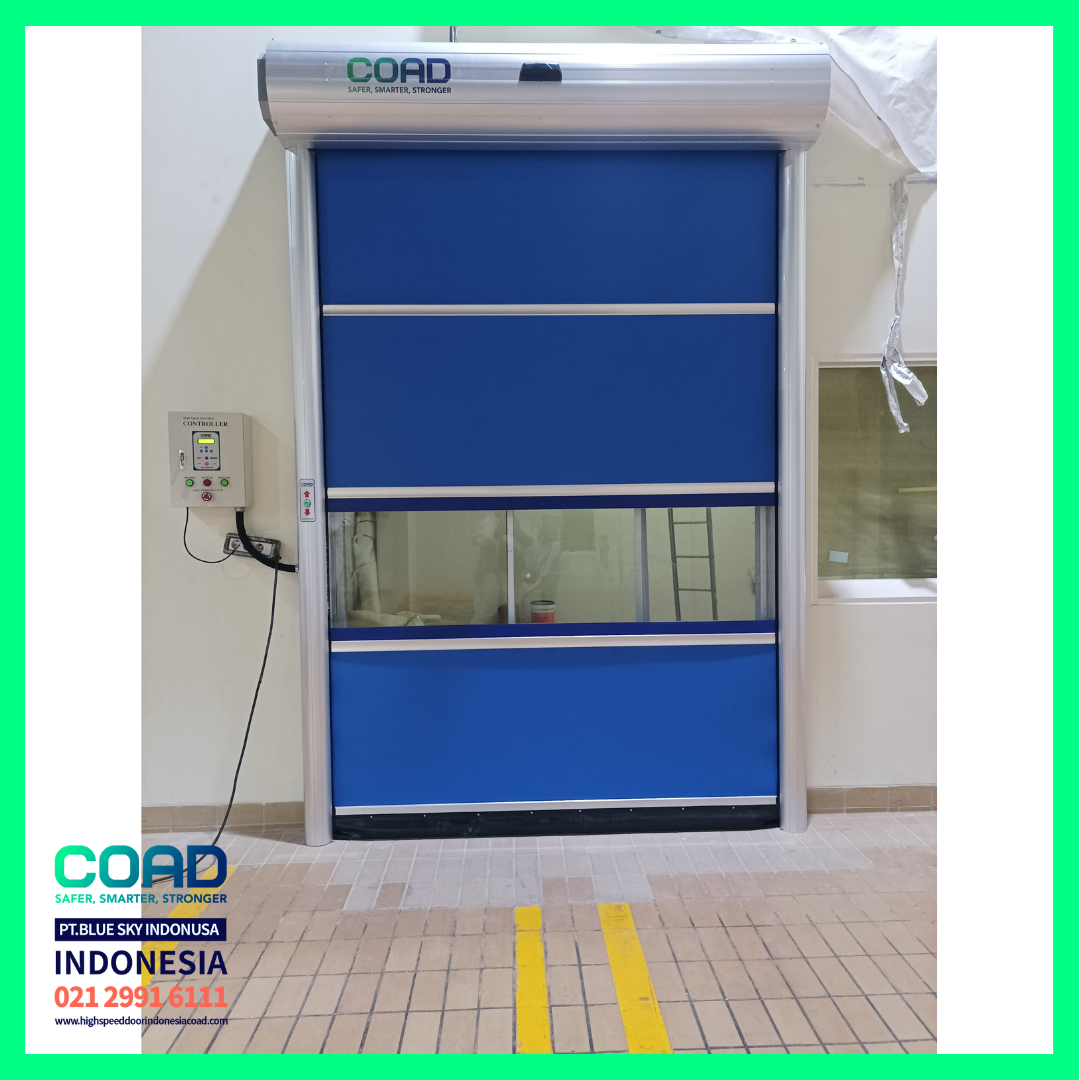
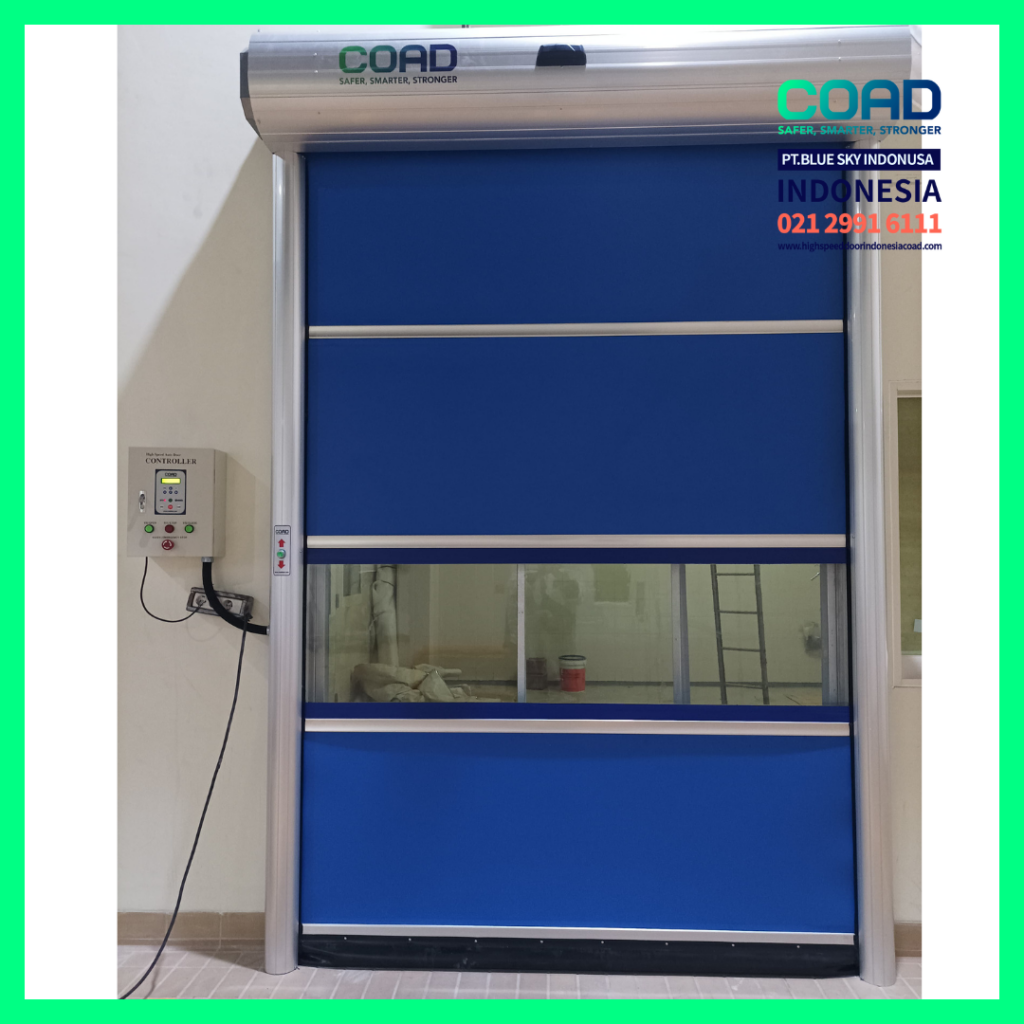
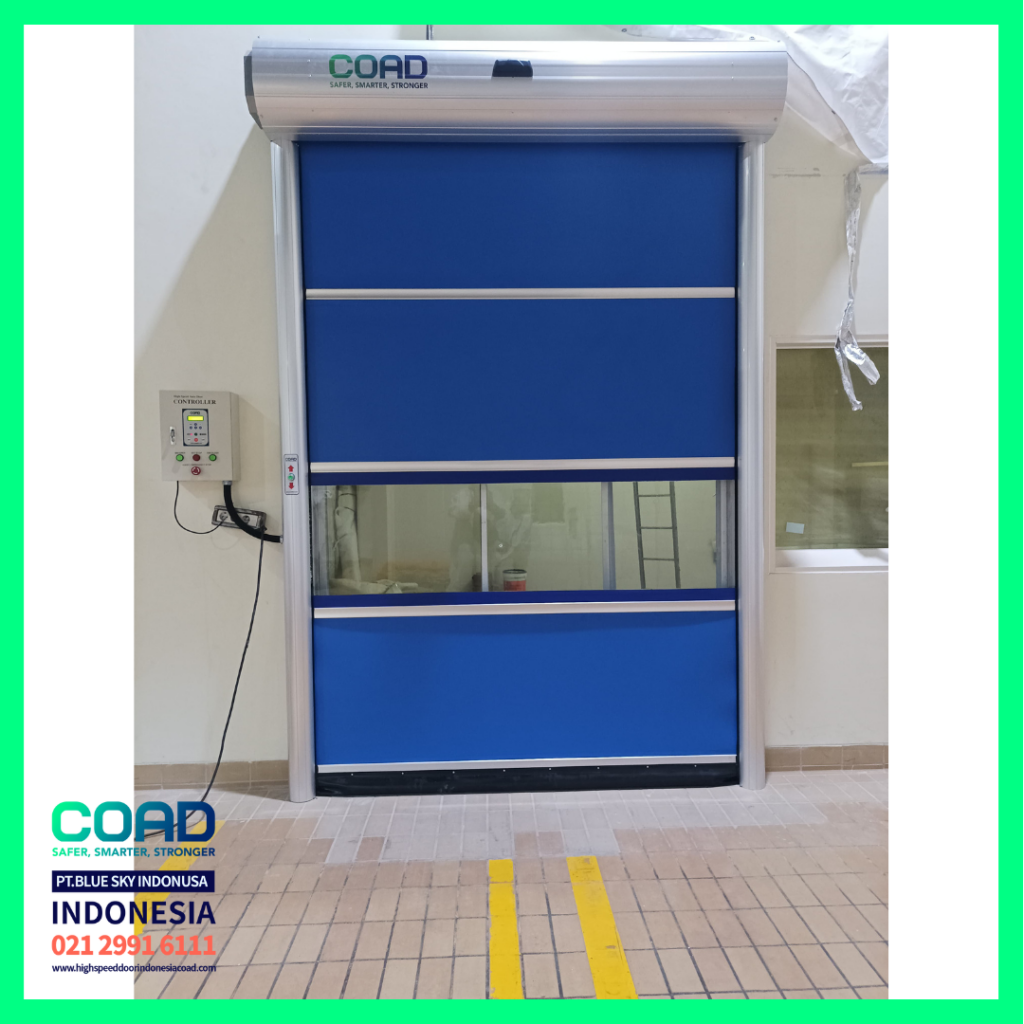
d. High-Speed Doors for Faster Warehouse Access
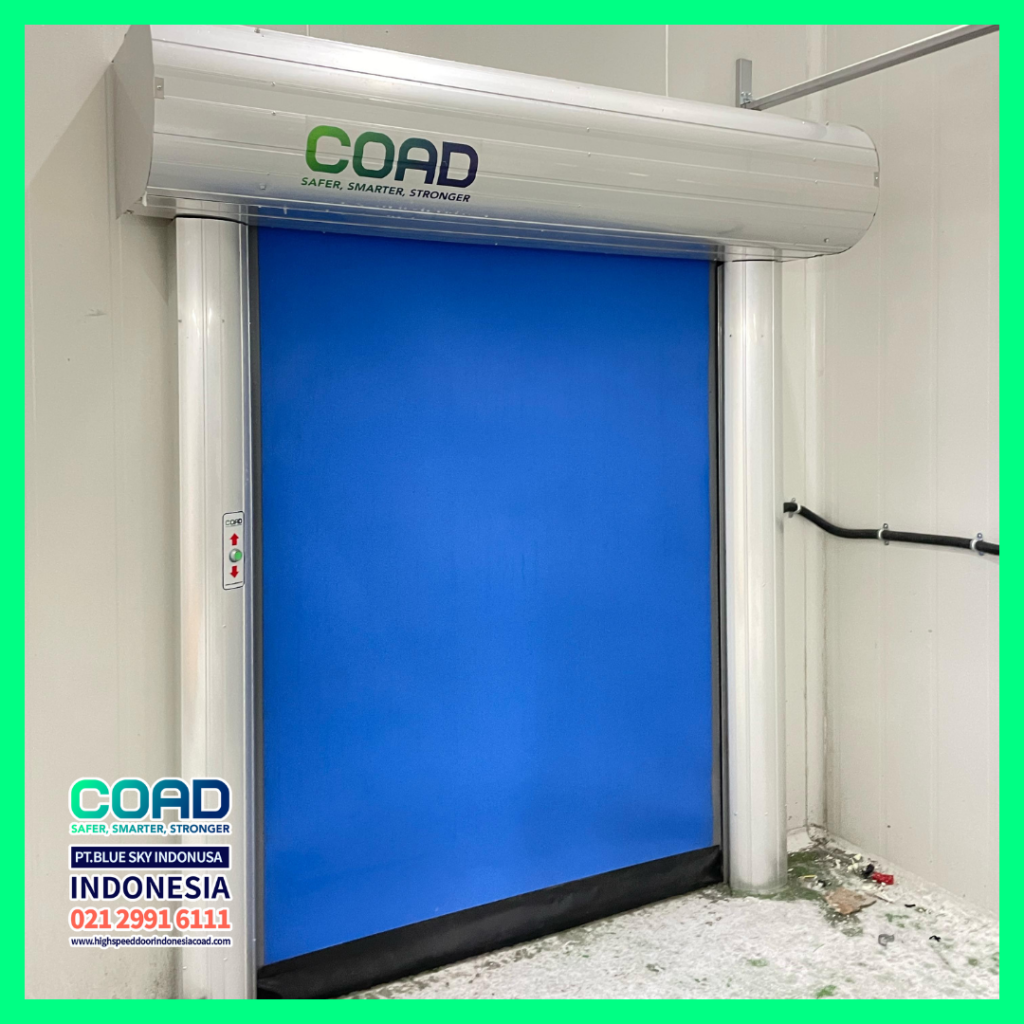
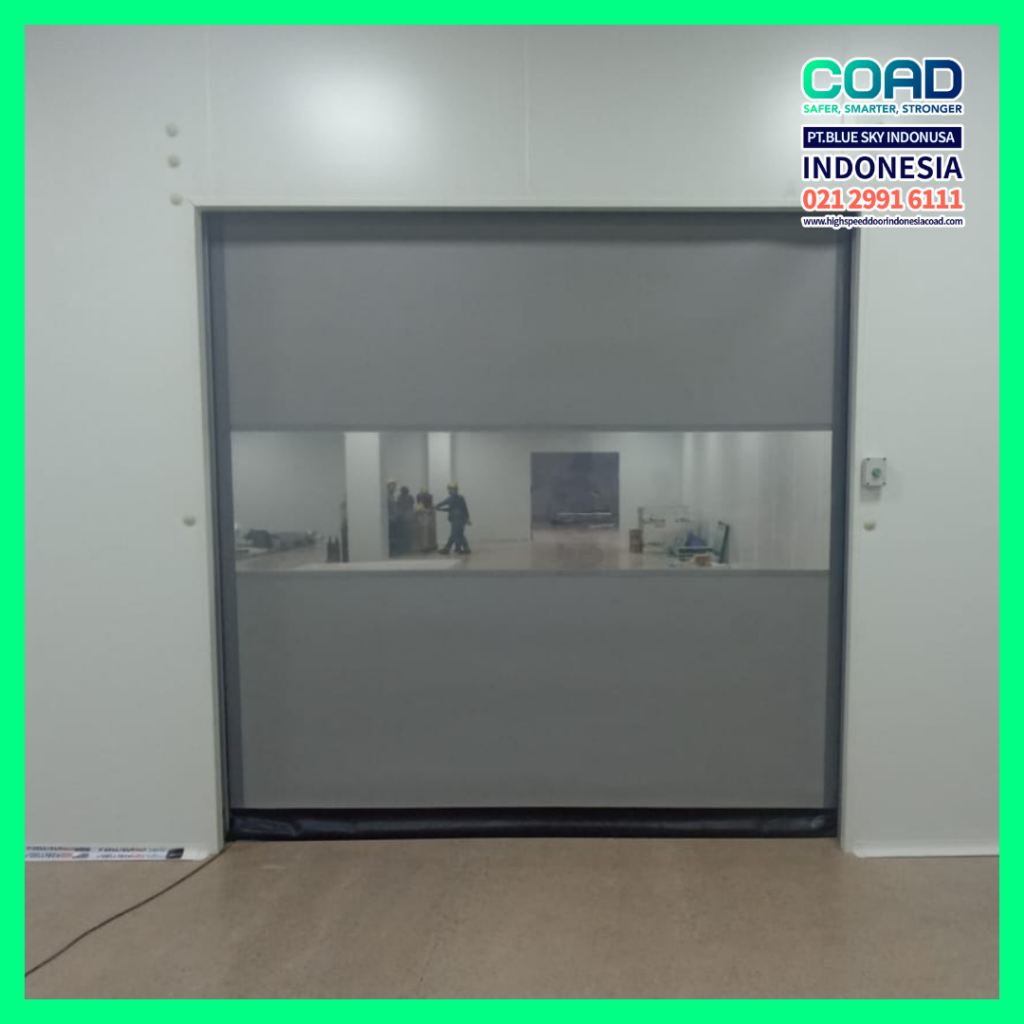
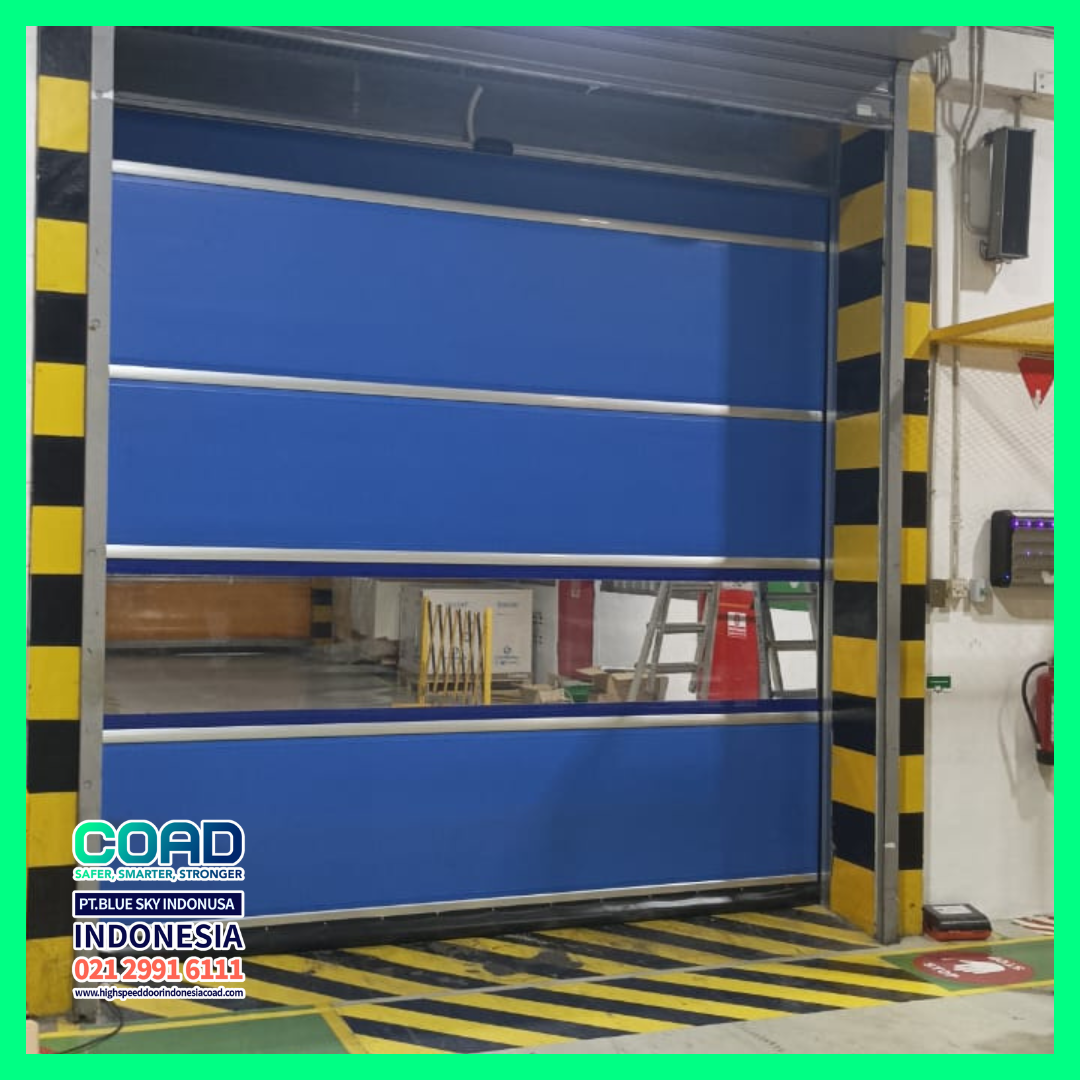
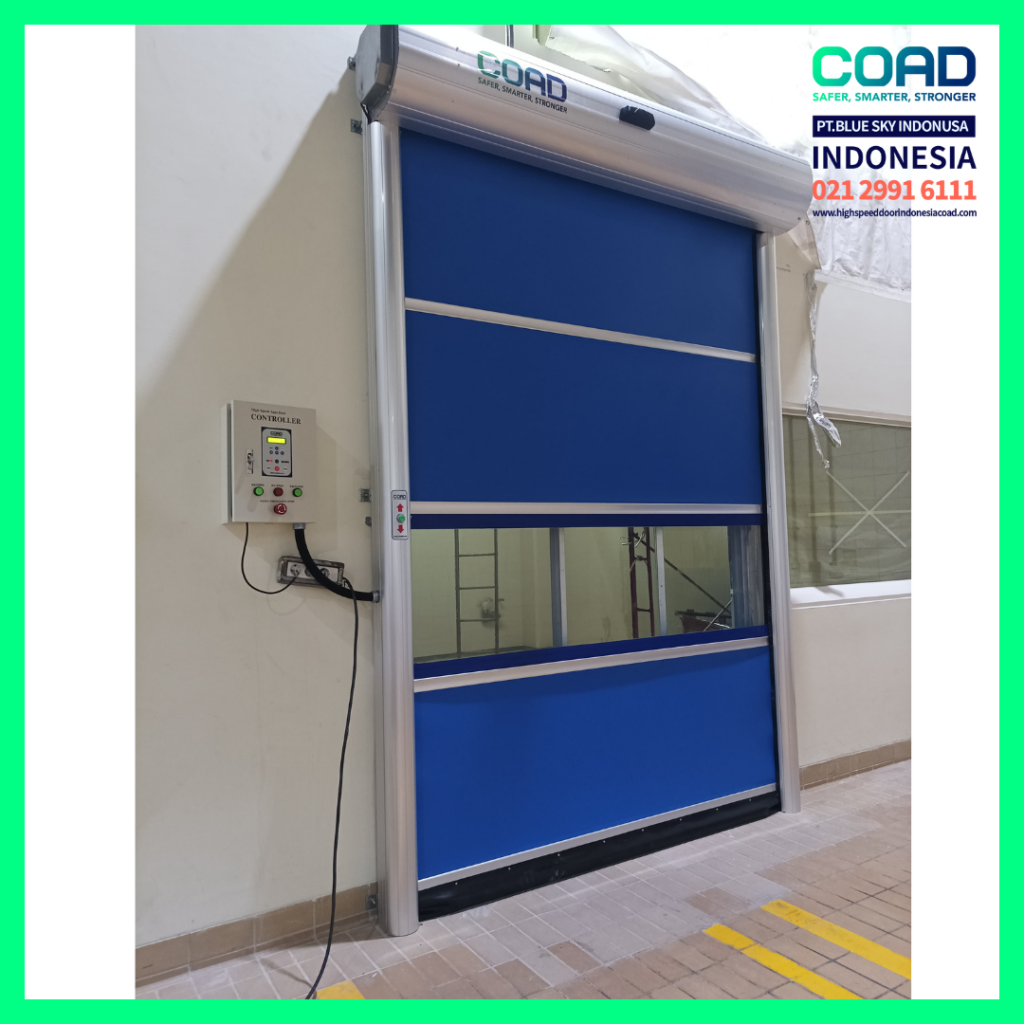
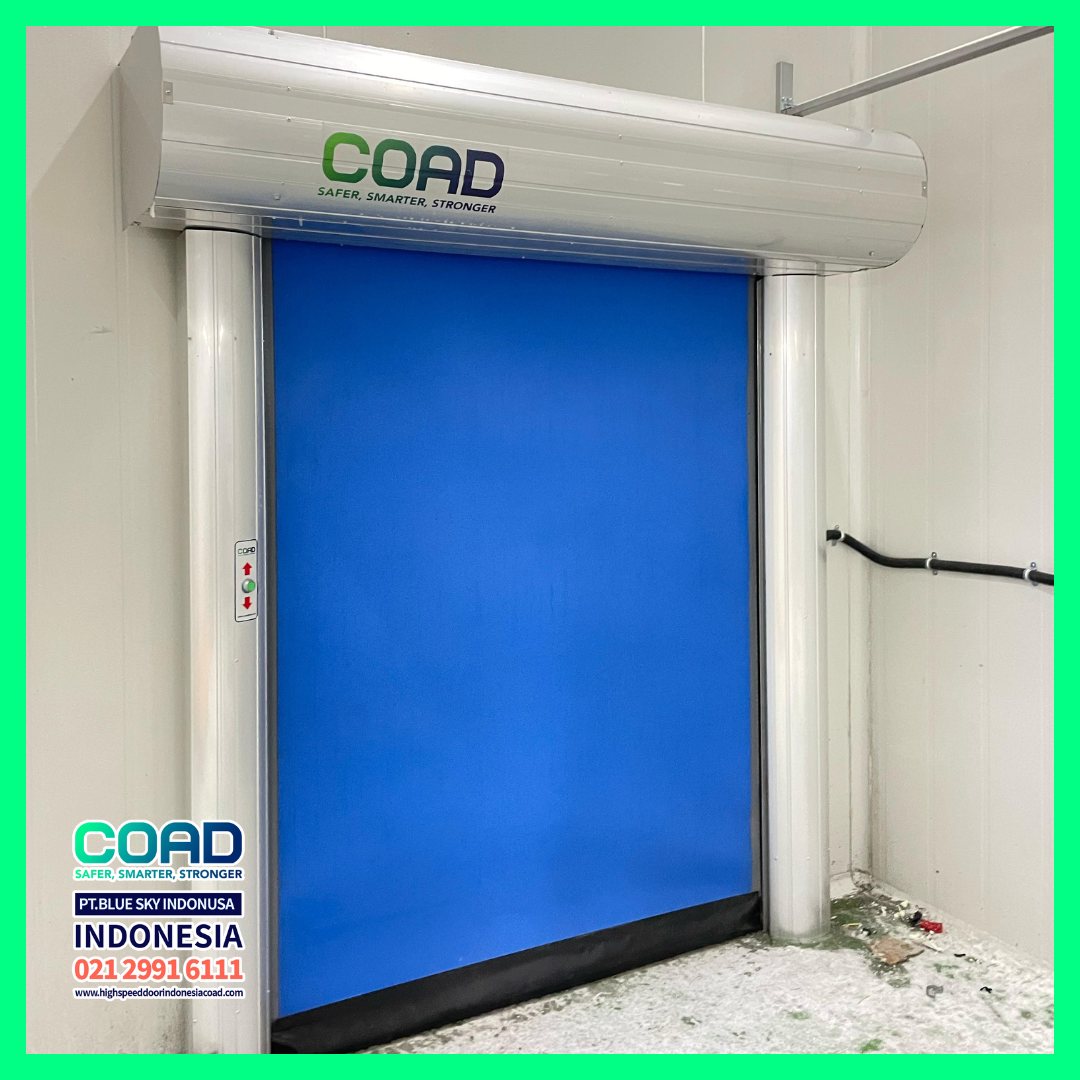
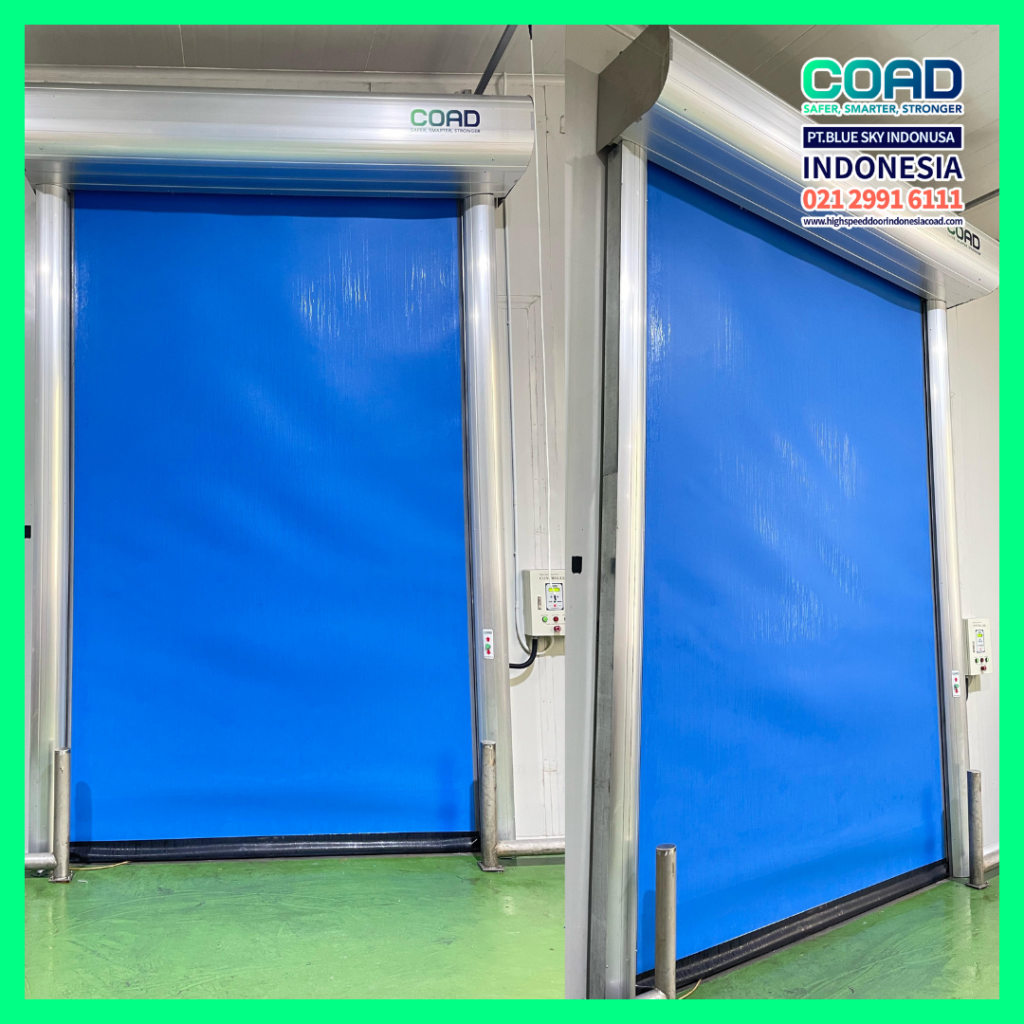
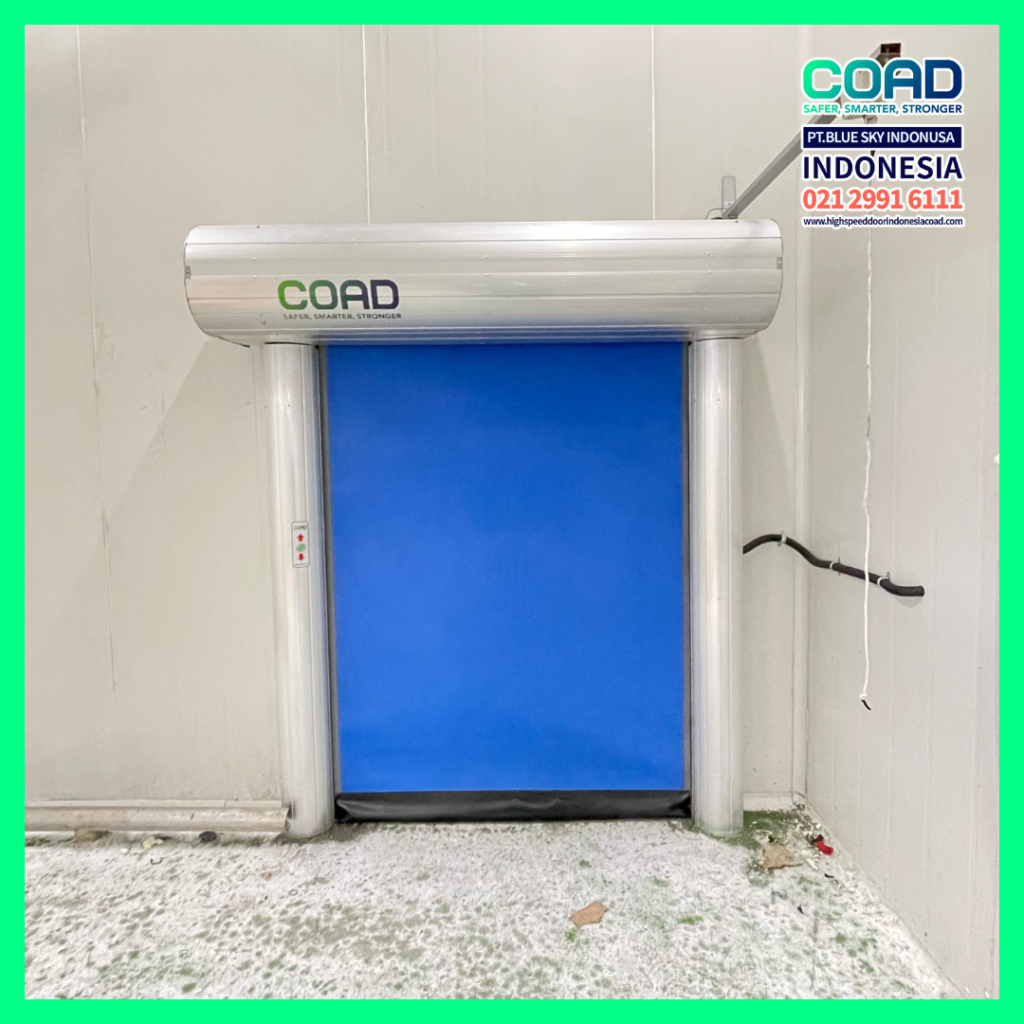
A critical but often overlooked aspect of warehouse optimization is efficient access control. High-speed doors are an essential feature in modern logistics facilities because they:
✅ Reduce wait times at loading docks, allowing trucks to load and unload faster.
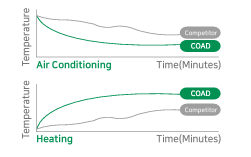
✅ Maintain temperature control, essential for cold storage and food-grade warehouses.
✅ Enhance workplace safety by minimizing traffic congestion and preventing collisions.
✅ Improve security, ensuring that only authorized personnel can access certain areas.
Warehouses that integrate high-speed doors experience a smoother logistics flow, faster material handling, and reduced energy loss, contributing to long-term cost savings.
Also Read: Boosting Warehouse Efficiency with the Right Equipment | COAD Indonesia
3. Key Benefits of Optimized Logistics Flow
By implementing automation and strategic warehouse solutions, businesses can expect:
🔹 Faster Order Processing – Orders are fulfilled quickly and accurately, leading to higher customer satisfaction.
🔹 Lower Operating Costs – Fewer errors, reduced labor requirements, and improved space utilization result in cost efficiency.
🔹 Better Inventory Control – With automated tracking systems, warehouses can monitor stock levels in real-time, preventing shortages or overstocking.
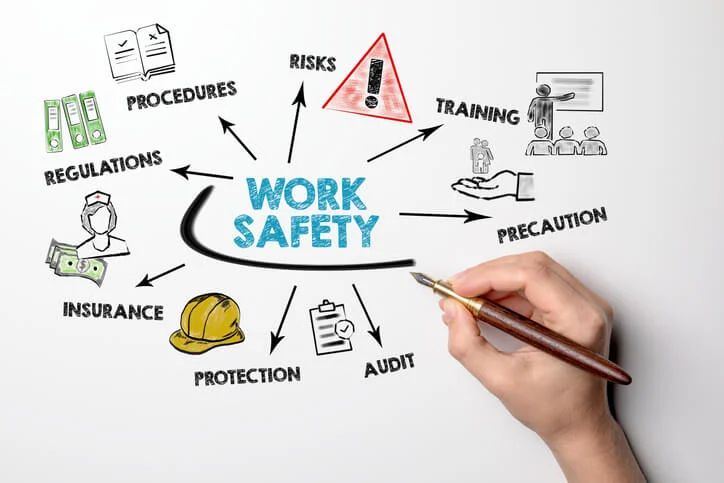
🔹 Improved Workplace Safety – Reducing manual handling lowers the risk of workplace accidents and ensures compliance with safety regulations.
🔹 Sustainable and Energy-Efficient Operations – Automated solutions, like high-speed doors and smart storage systems, help minimize energy waste and carbon footprint.
For your high speed door need, make sure to contact COAD Indonesia. We provide the best deal for high speed door with 2mm PVC Sheet. Contact us now!
COAD Indonesia
Call center:
+62 21 299-16111
WhatsApp:
(Sales 1) 0816-1717-6440
(Sales 2) 0855-1051-095
(Sales 3) 0812-1110-2255
Email: mkt@coad.co.id
Address: The Bellezza Shopping Arcade Unit 270 Lt 2
Jl. Letjen Soepono No. 34, Arteri Permata Hijau Jakarta 12210 Indonesia
Branch in East Java Area:
Jemurwonosari Gg. Mualim No. 6 Surabaya 60237
Arief Tri Wibowo
0813-3157-0117