Warehouses have come a long way from their traditional counterparts. In the past, warehouses were simply large storage spaces where goods were stacked manually, and inventory tracking relied on paper-based logs. Over time, as businesses grew and global supply chains became more complex, the need for greater efficiency led to the development of automated warehouses.
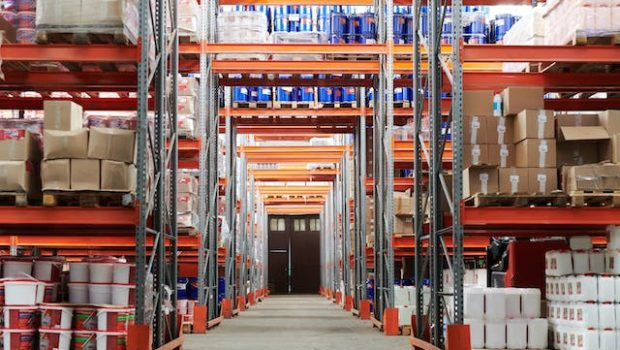
The concept of smart warehouses emerged as a response to the increasing demand for speed, accuracy, and cost reduction in logistics. These warehouses integrate advanced technology to optimize operations, reduce human error, and enhance overall productivity. But what exactly makes a warehouse “smart”?
Also Read: Enhance the Movement in Corridors with Automatic Door for Corridors | COAD Indonesia
Key Technologies That Transform a Warehouse into a Smart Warehouse
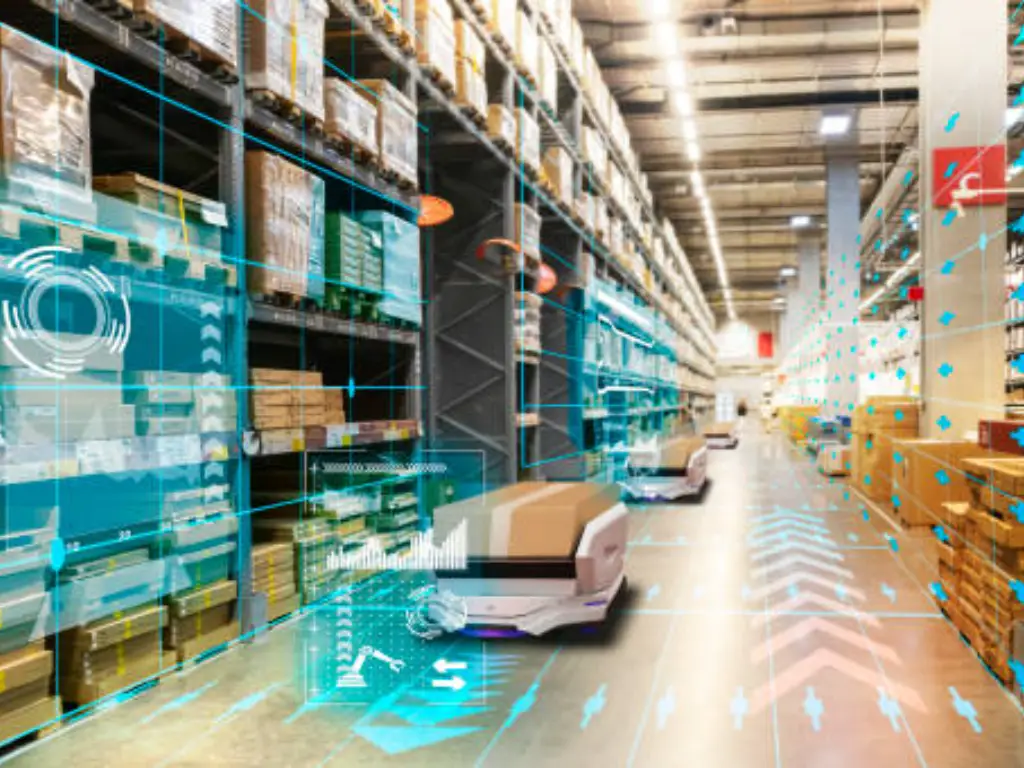
1️⃣ Automated Storage and Retrieval Systems (AS/RS)
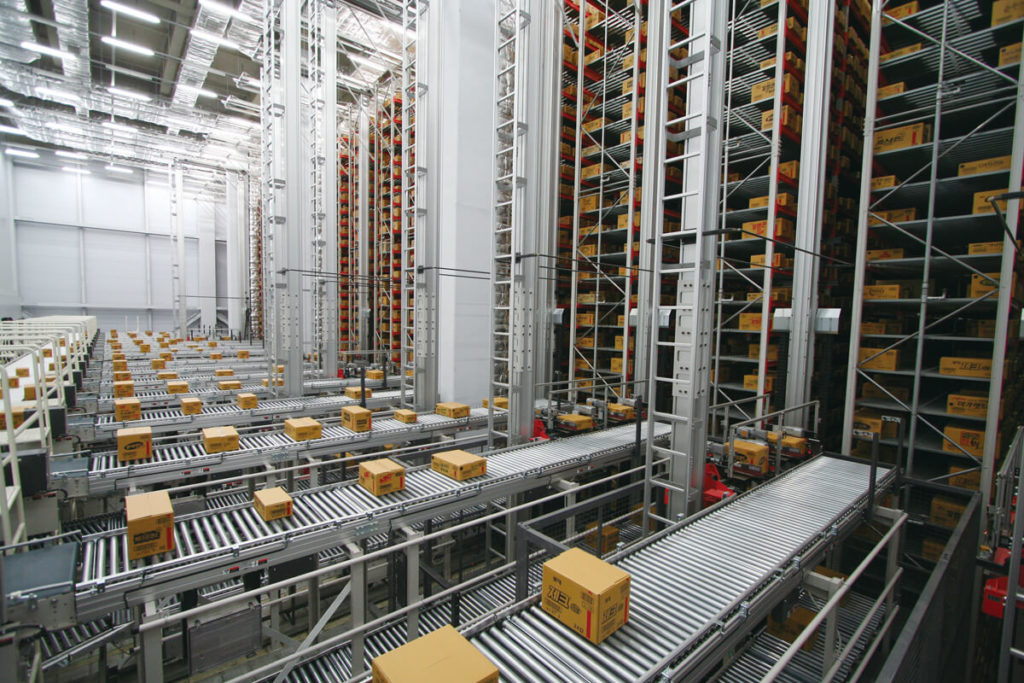
AS/RS enables efficient movement and storage of goods using robotic systems, minimizing the need for manual labor. This technology is widely used in e-commerce fulfillment centers and large-scale distribution hubs.
2️⃣ Warehouse Management Systems (WMS)
A smart warehouse is incomplete without a robust Warehouse Management System (WMS). This software helps businesses track inventory in real time, optimize picking routes, and streamline overall logistics operations.
3️⃣ IoT and RFID Tracking
The use of Internet of Things (IoT) devices and RFID (Radio Frequency Identification) enables real-time visibility of goods within a warehouse. RFID tags allow for automatic scanning, reducing the chances of misplacement and improving inventory accuracy.
4️⃣ Automated Guided Vehicles (AGVs) and Autonomous Mobile Robots (AMRs)
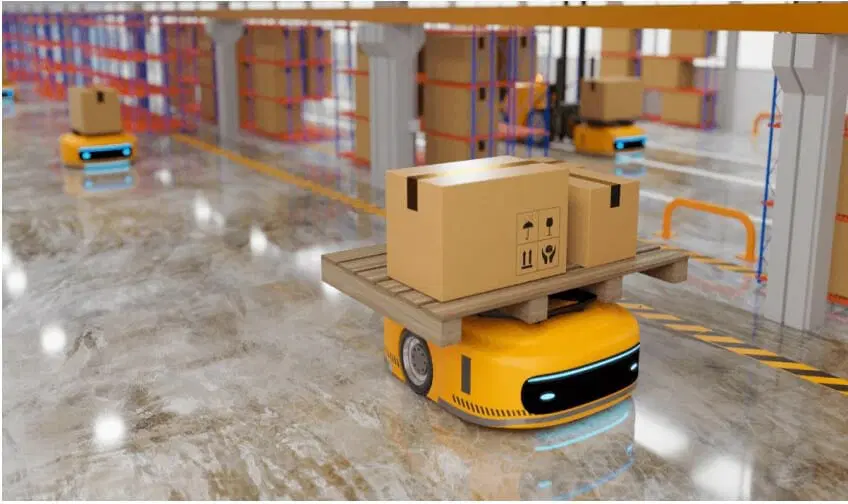
AGVs and AMRs are used for transporting goods within the warehouse without human intervention. Unlike traditional forklifts, these smart robots navigate efficiently, avoiding obstacles and reducing operational risks.
5️⃣ Predictive Maintenance with AI and Data Analytics
Machine learning algorithms can predict when warehouse equipment needs maintenance, reducing unexpected downtimes. Smart warehouses use data-driven insights to improve decision-making and prevent costly breakdowns.
Why Investing in Smart Infrastructure Matters
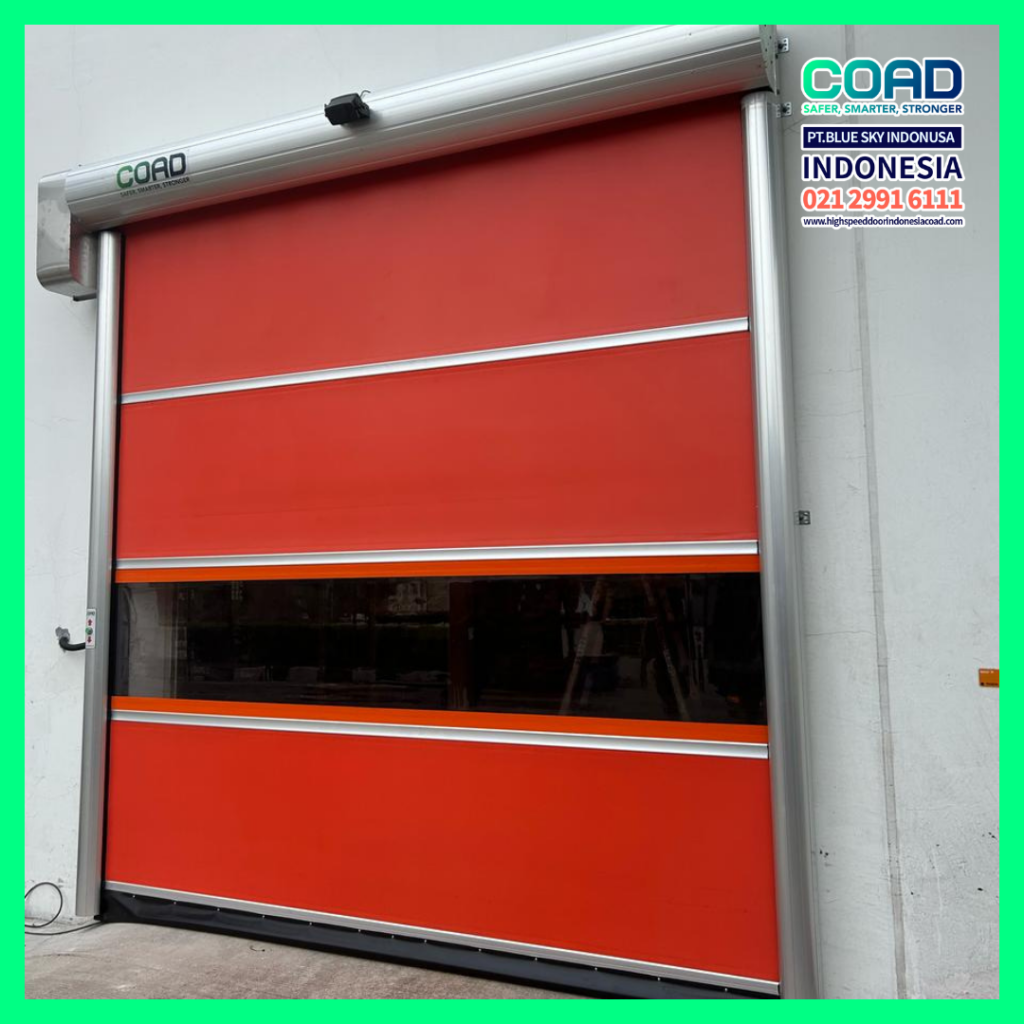
Adopting smart infrastructure in warehouses is not just a trend—it’s a necessity. With e-commerce growth, same-day delivery expectations, and the need for seamless logistics, businesses that fail to modernize their warehouses risk falling behind their competitors. Companies that invest in smart warehouse infrastructure benefit from:
✅ Faster and more efficient operations
✅ Lower labor costs through automation
✅ Improved inventory accuracy and real-time tracking
✅ Enhanced workplace safety and reduced human errors
The Role of High-Speed Doors in Smart Warehouses
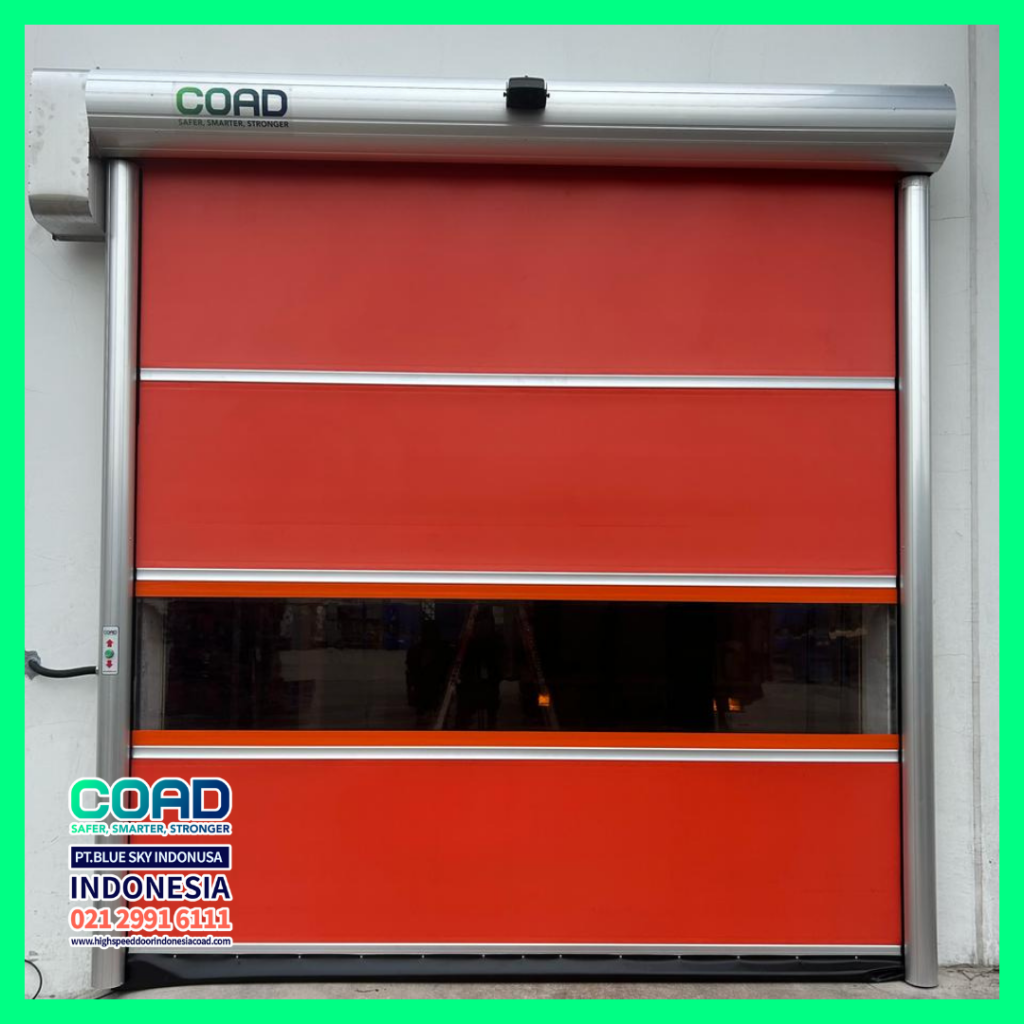
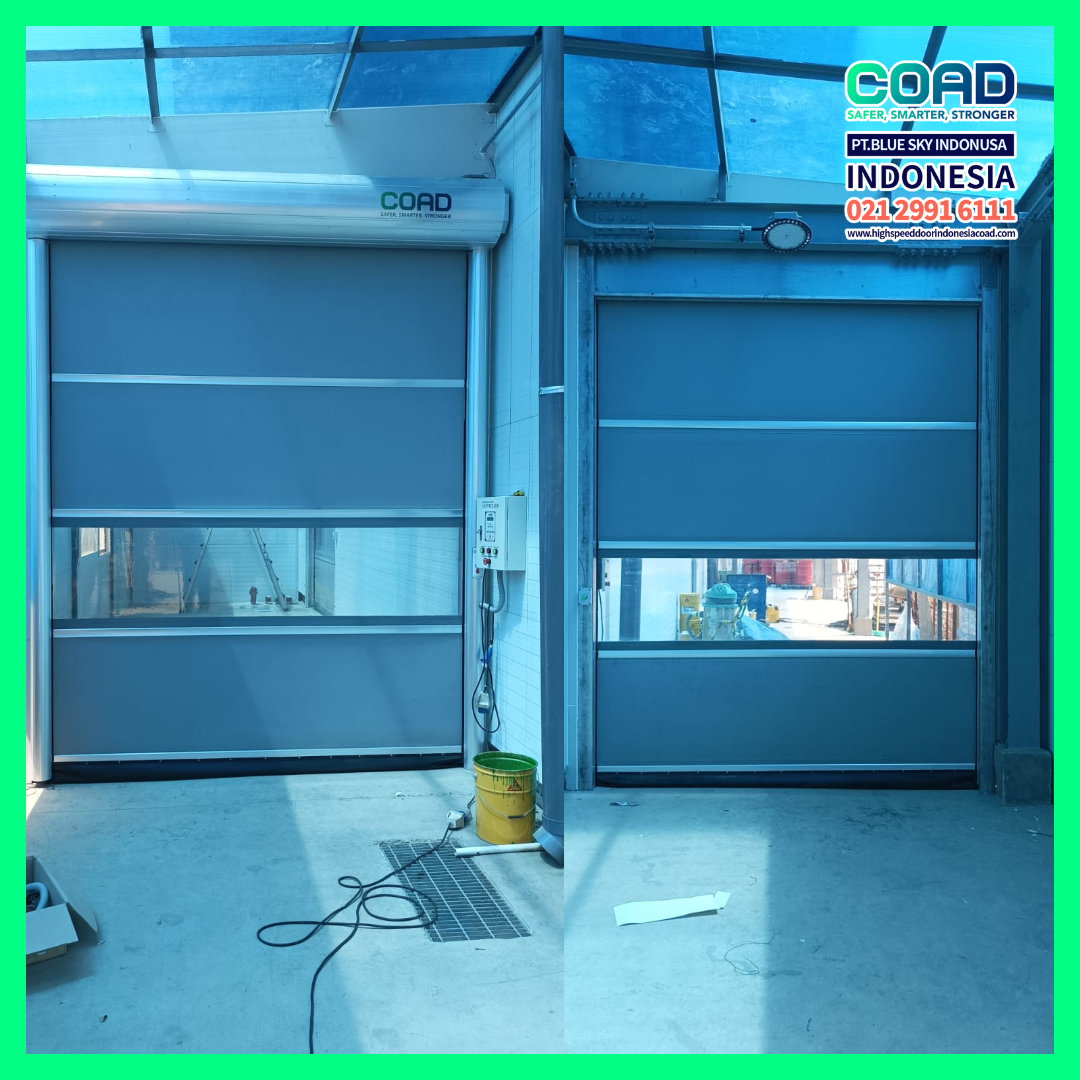
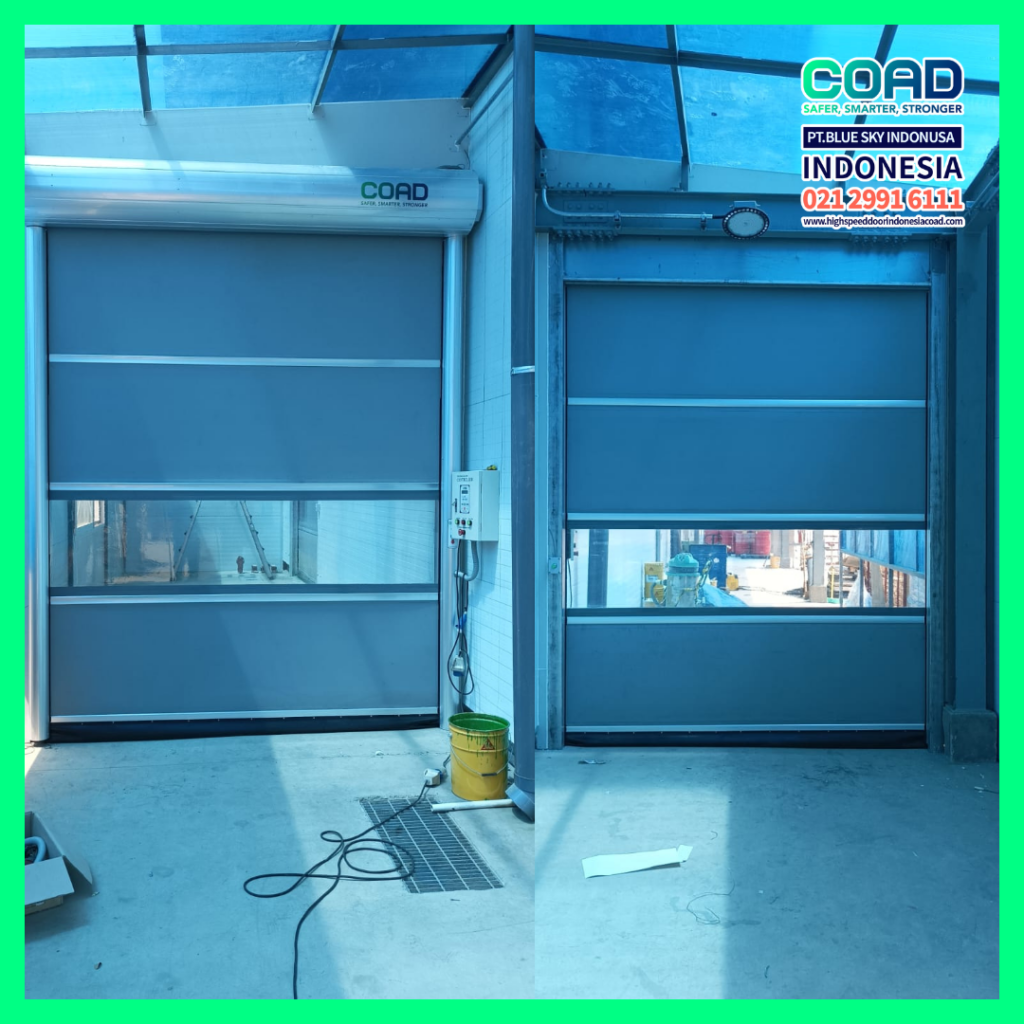
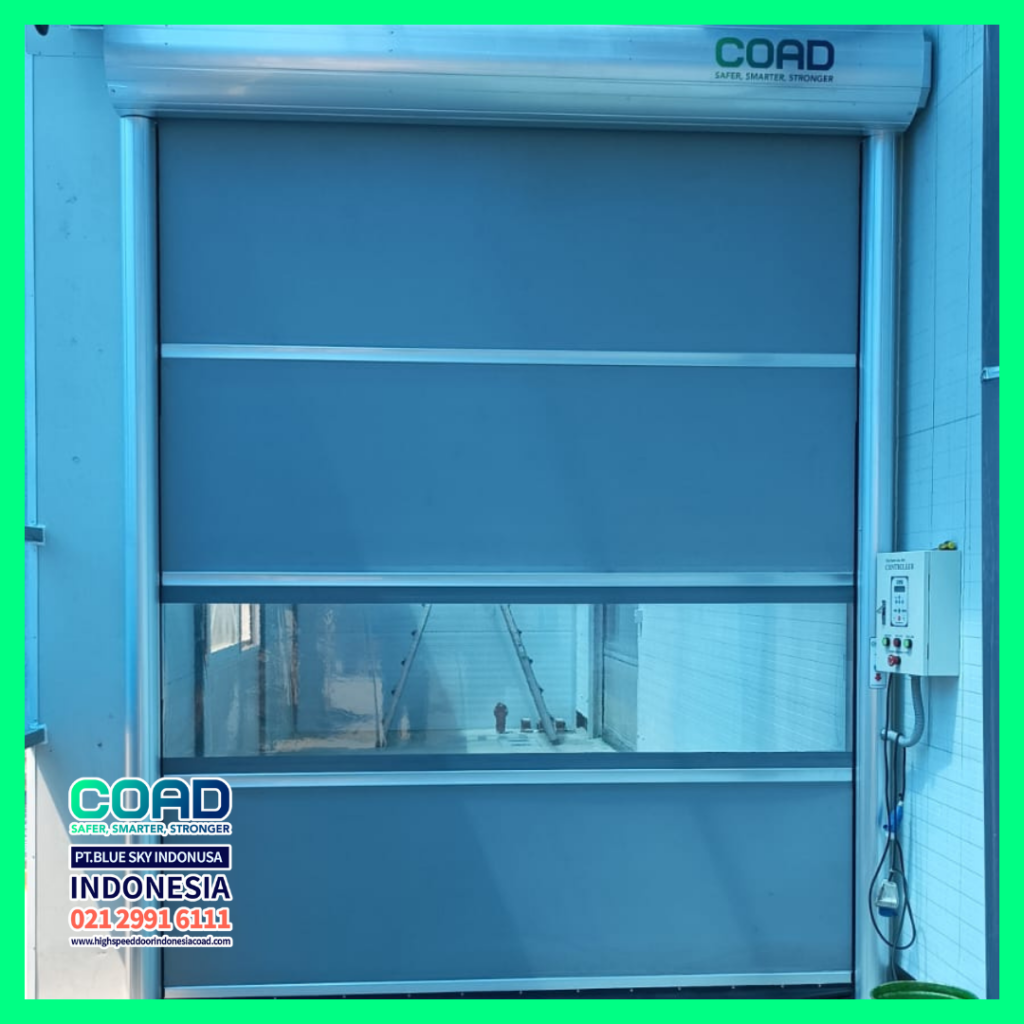
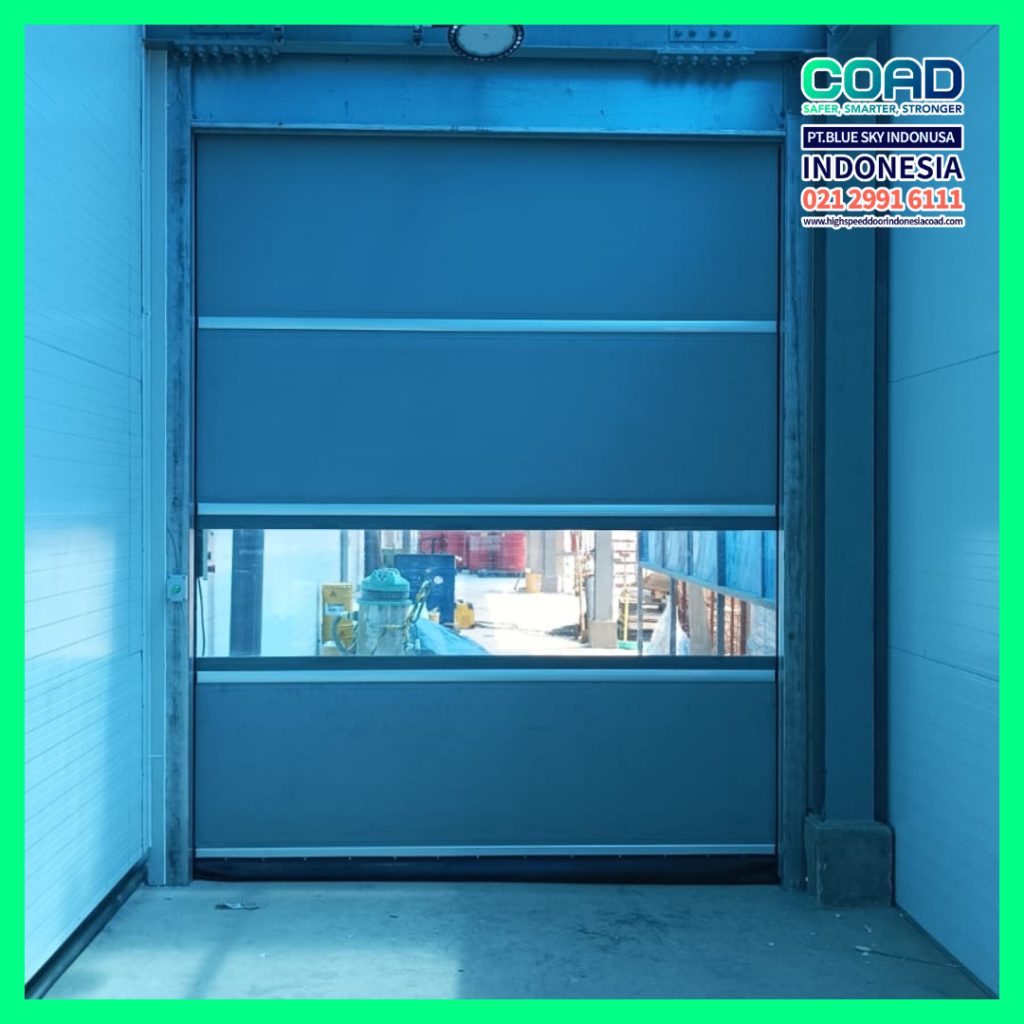
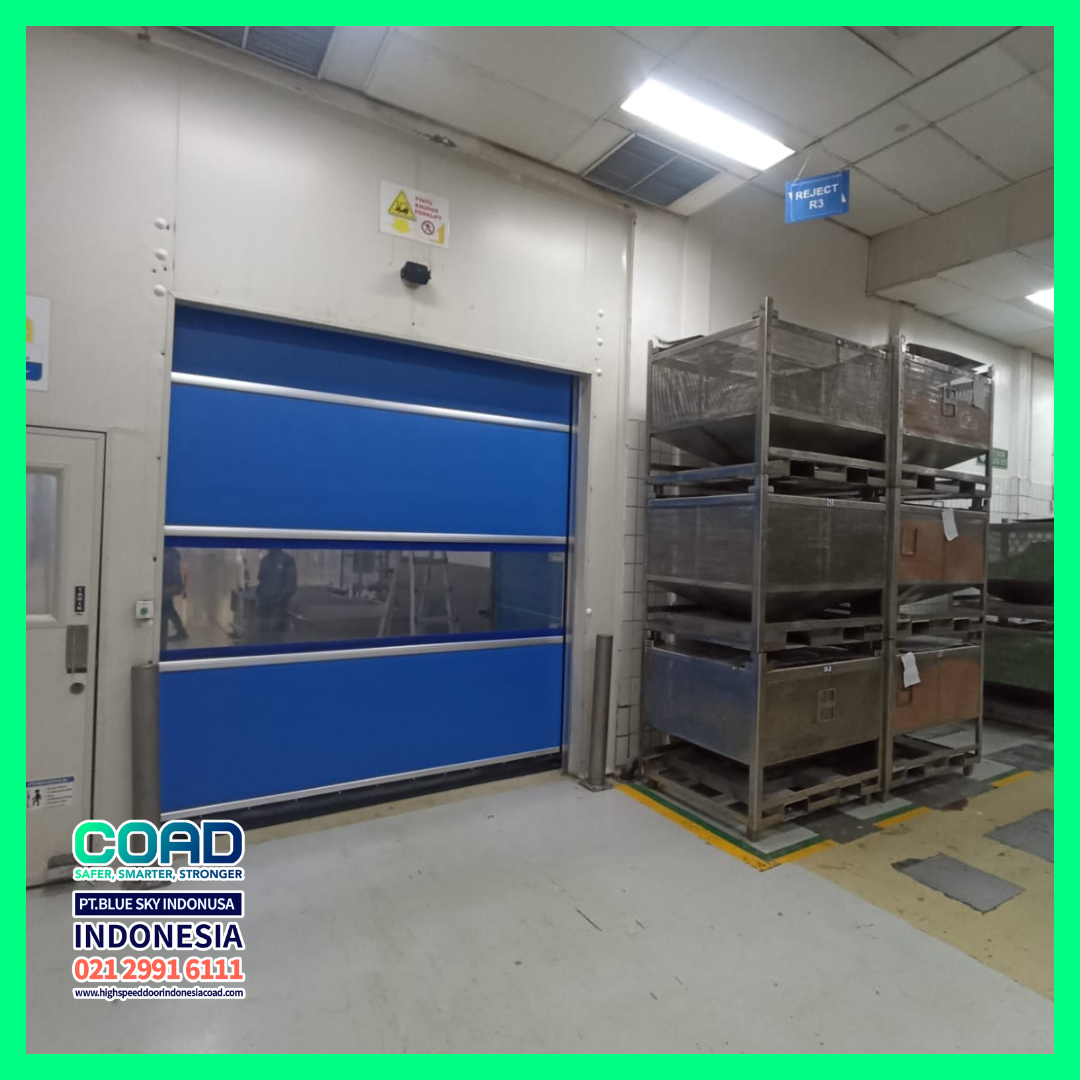
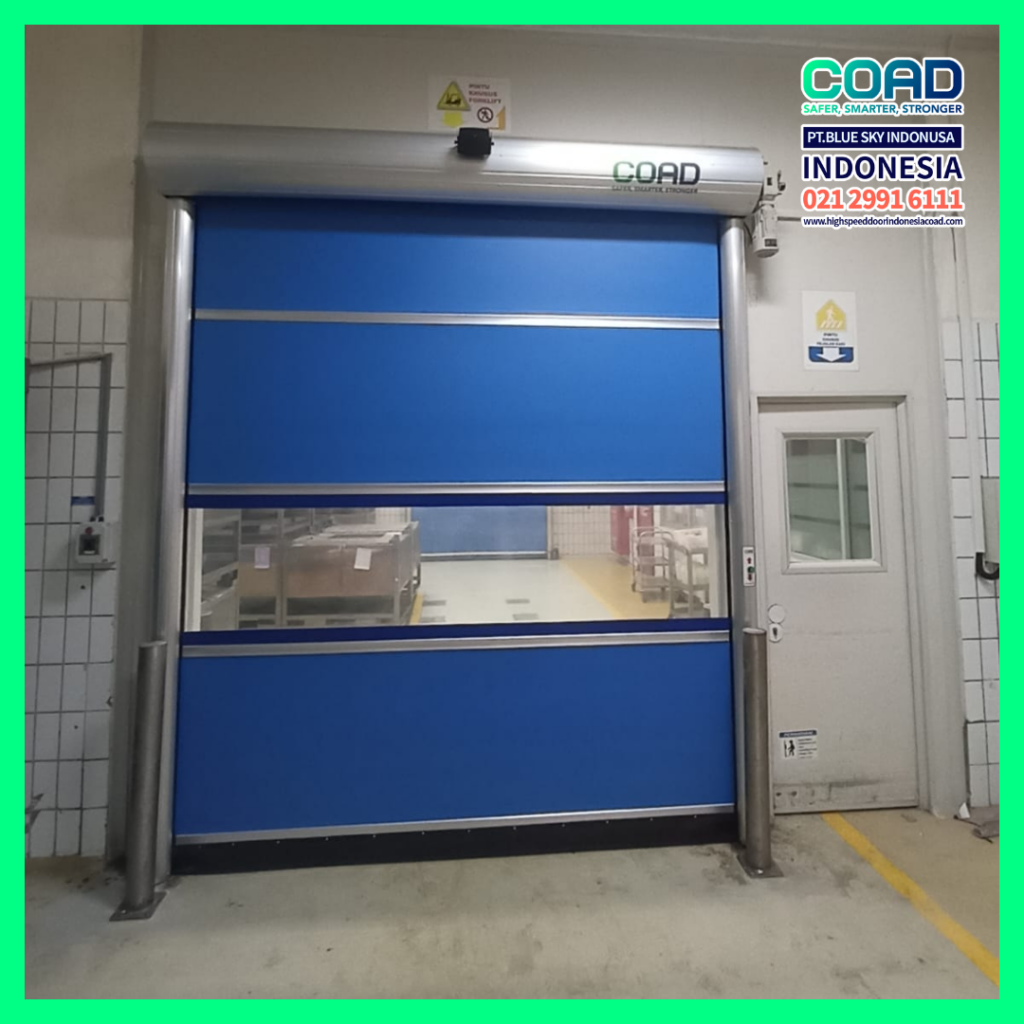
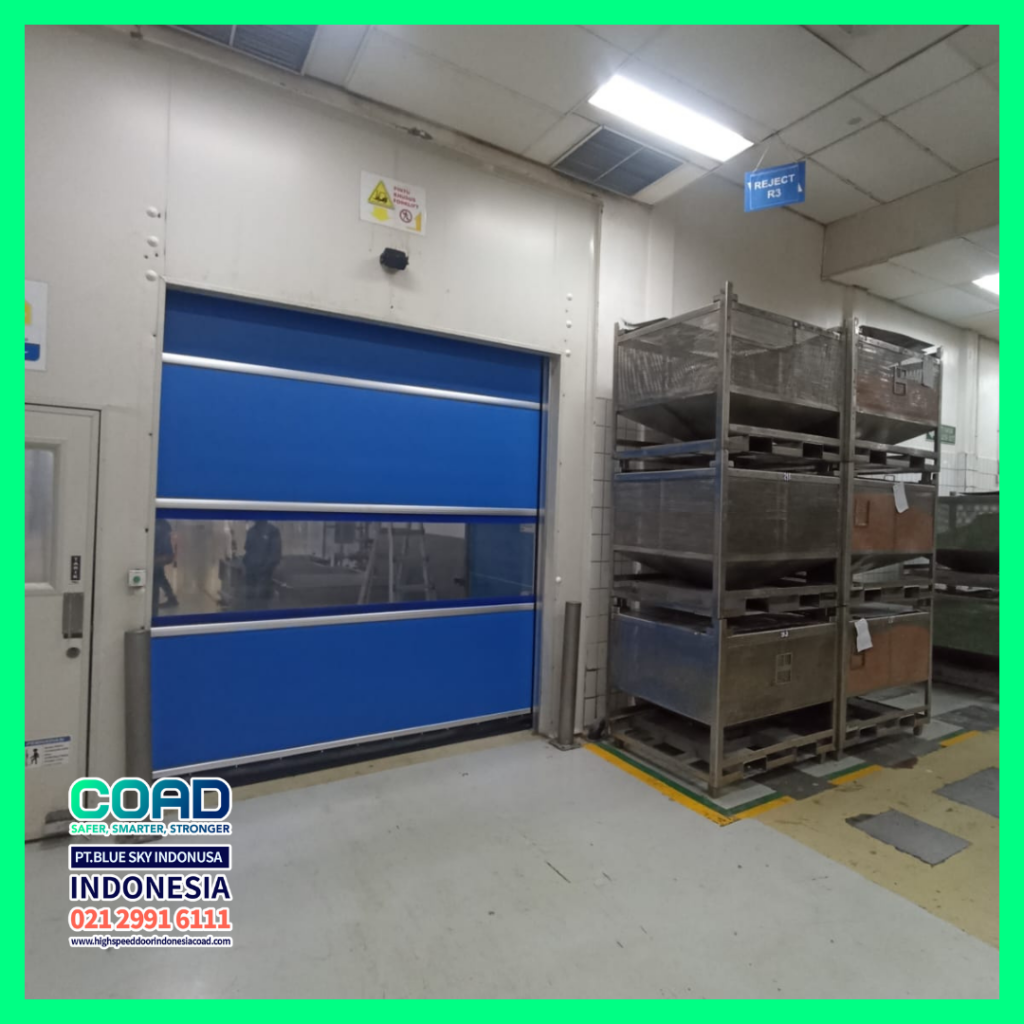
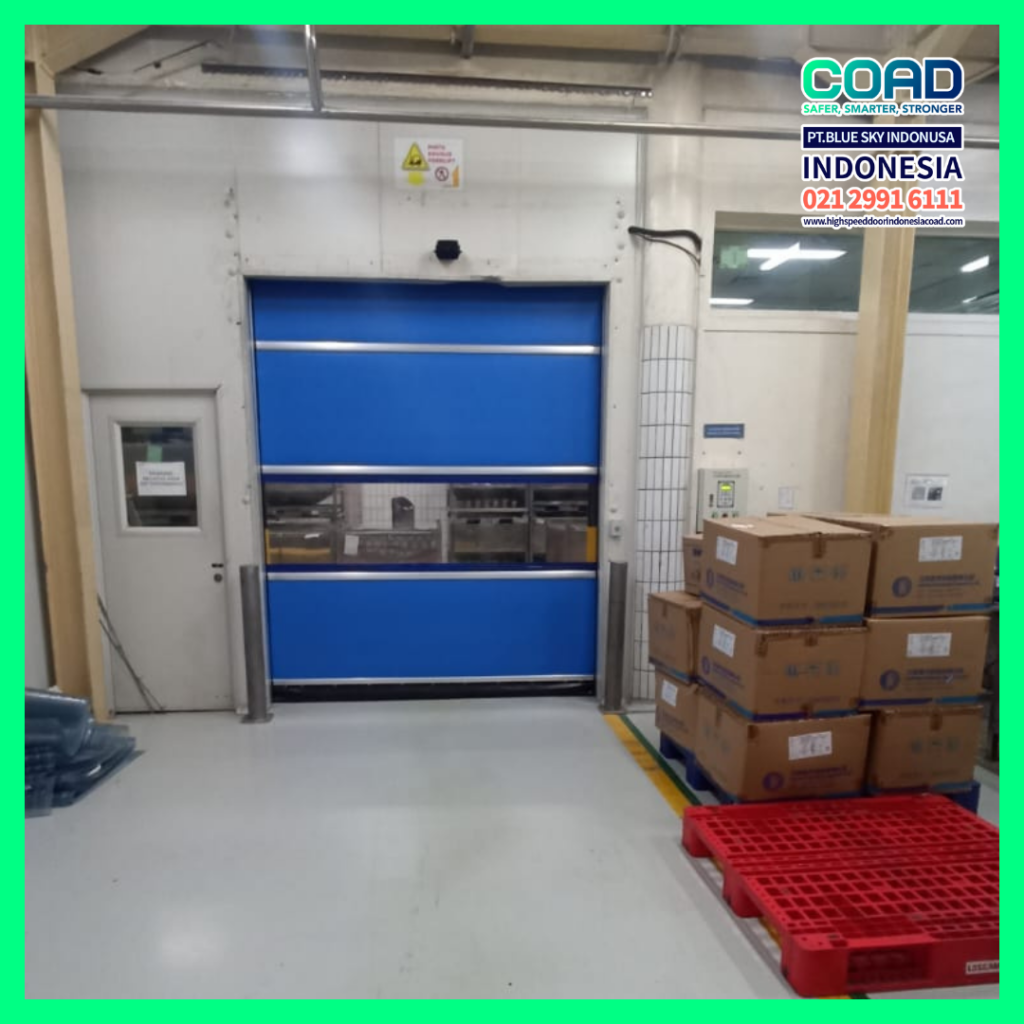
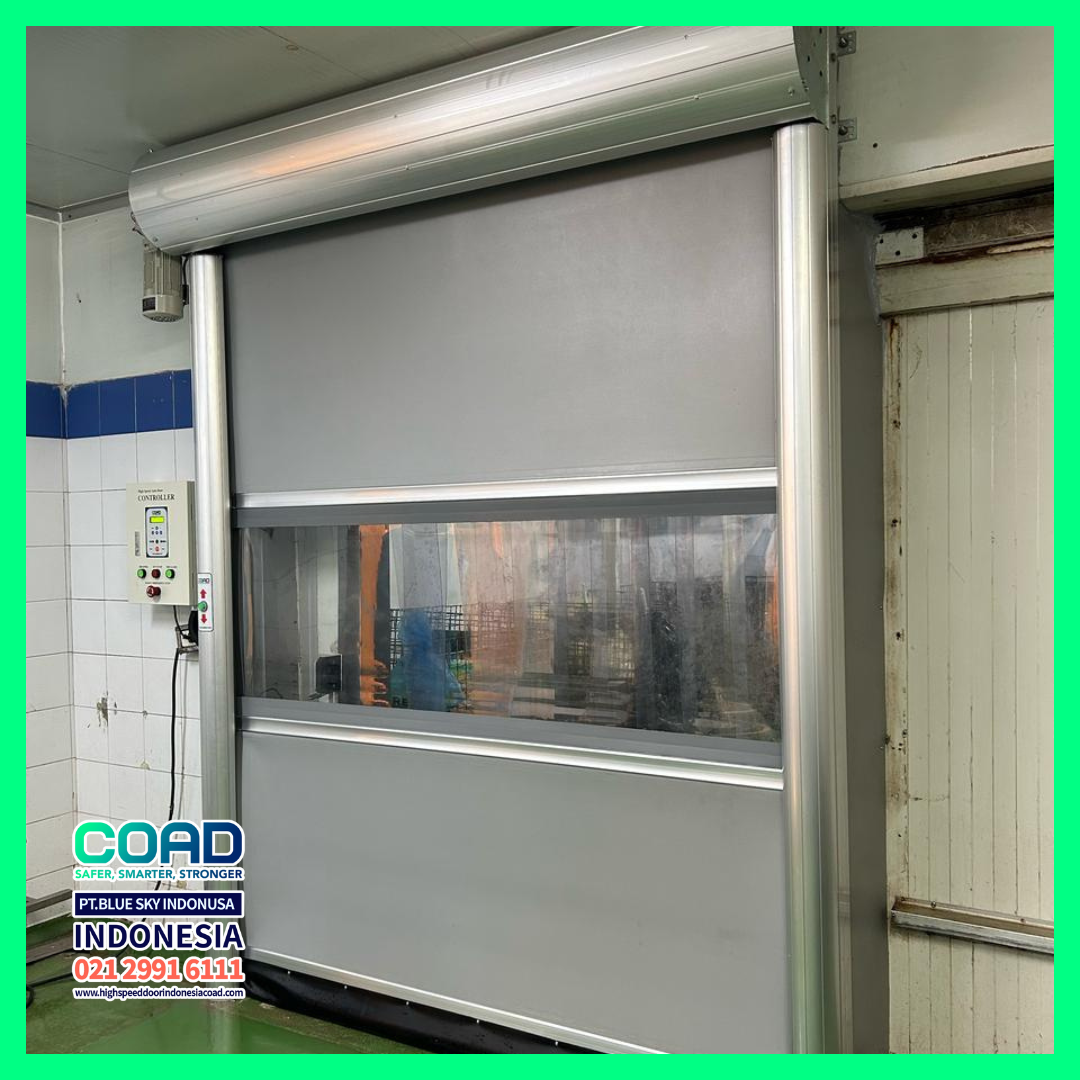
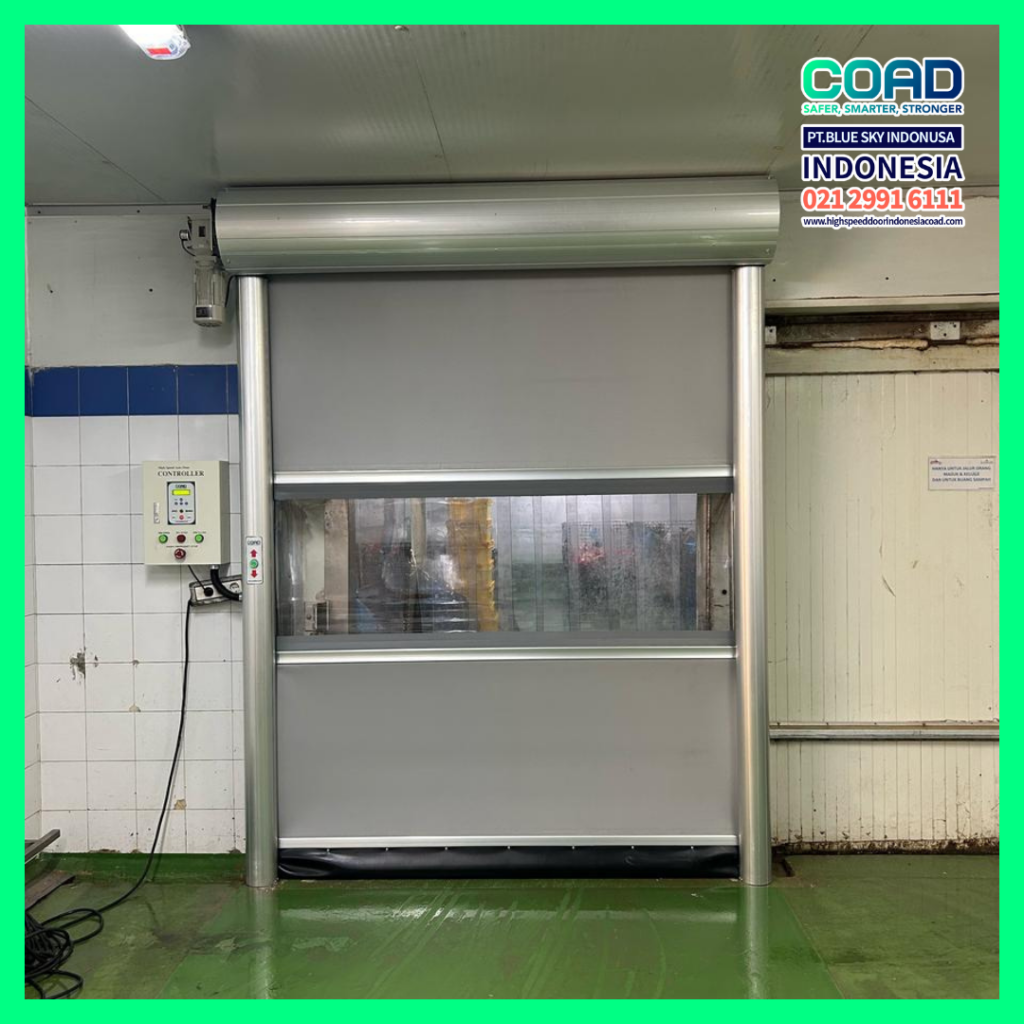
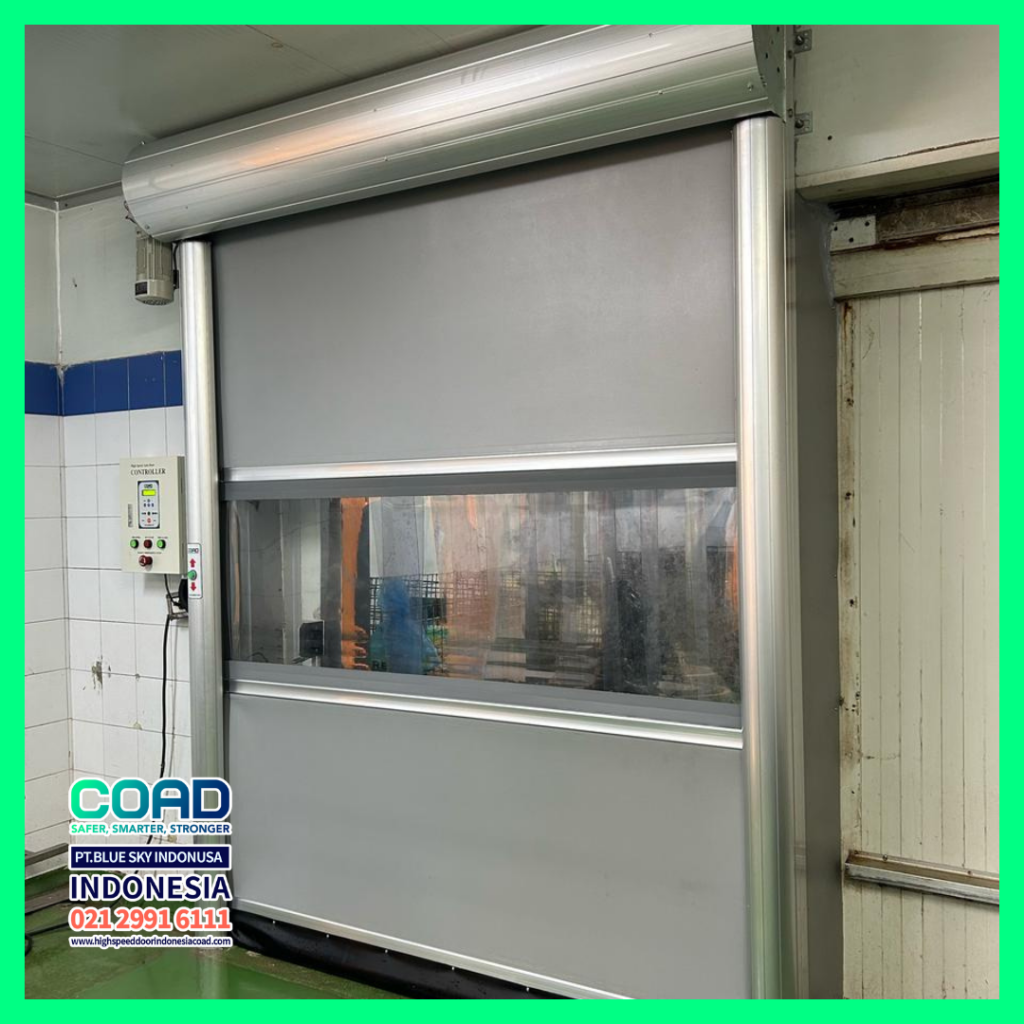
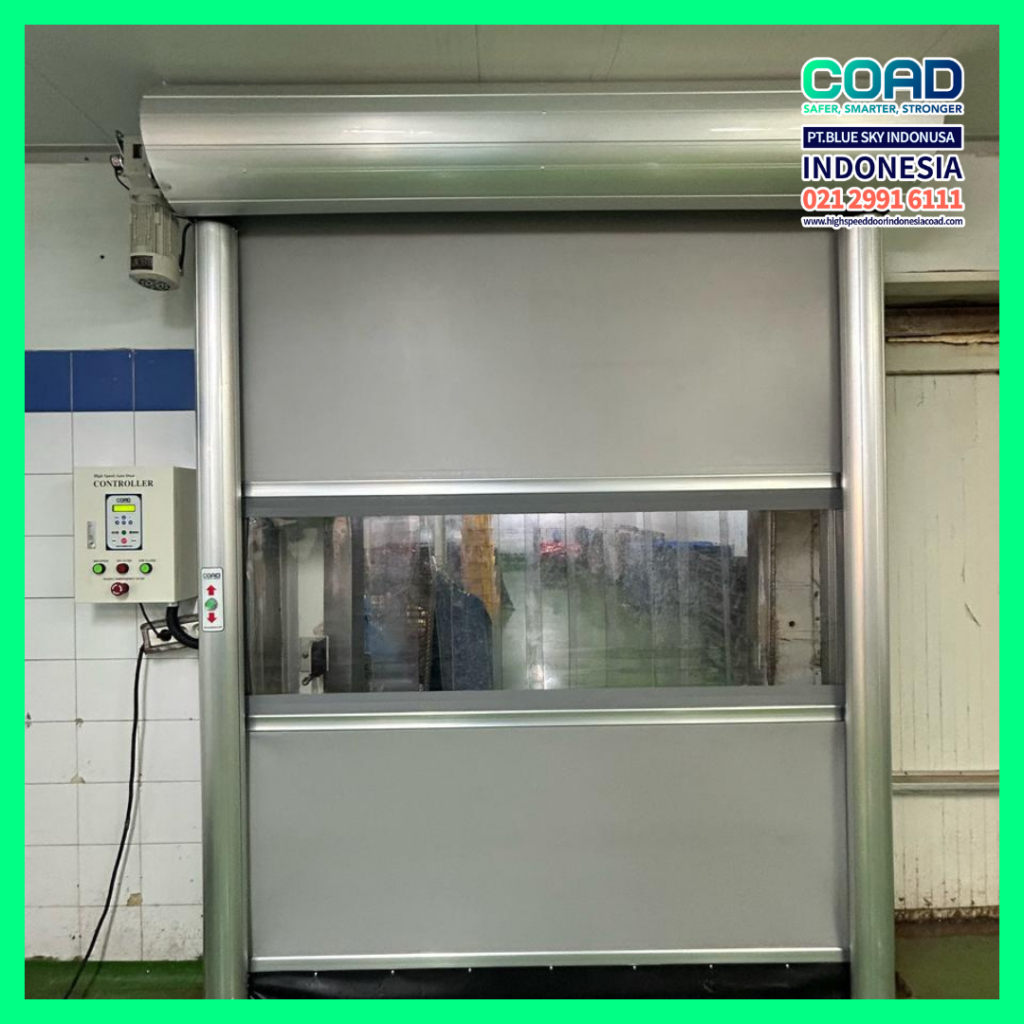
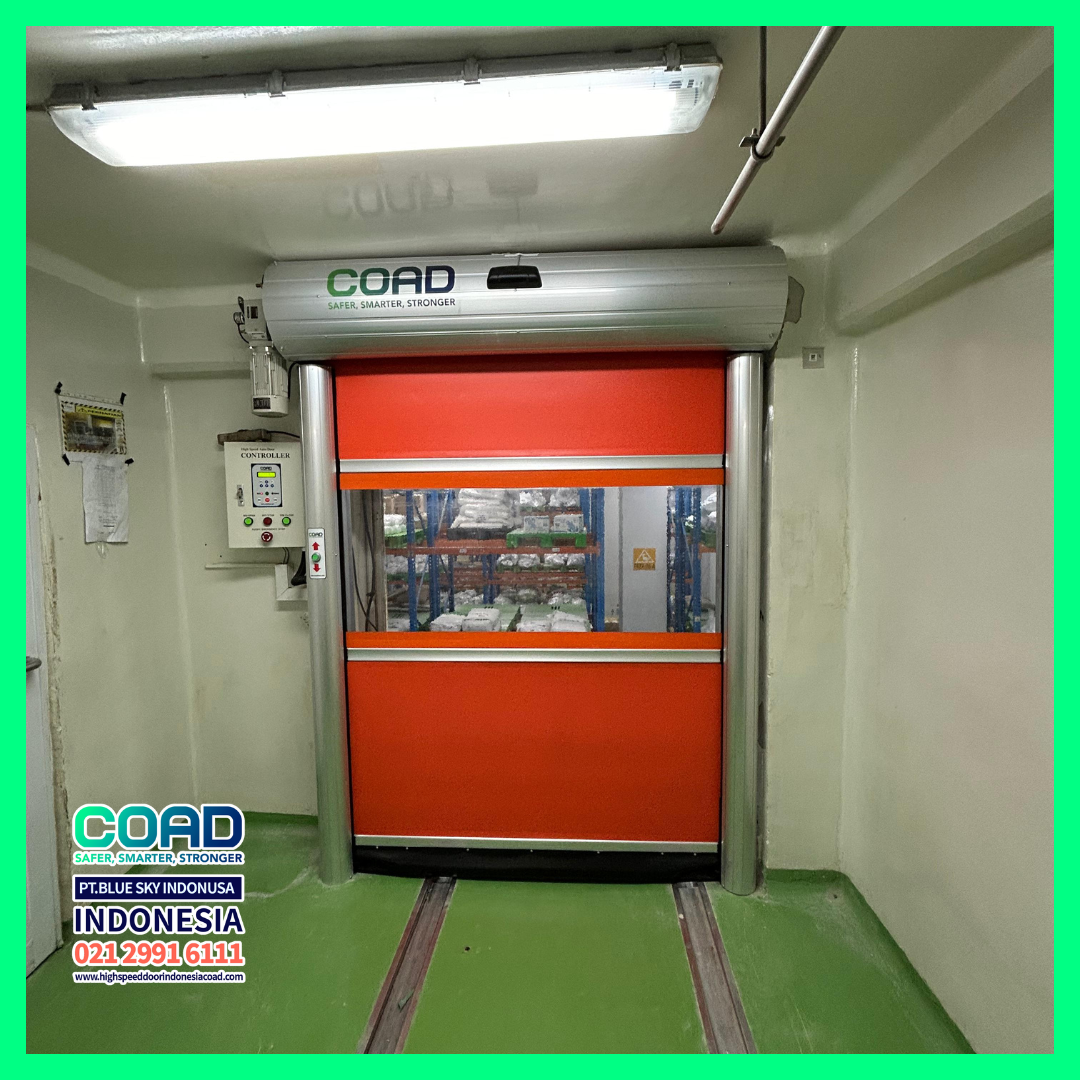
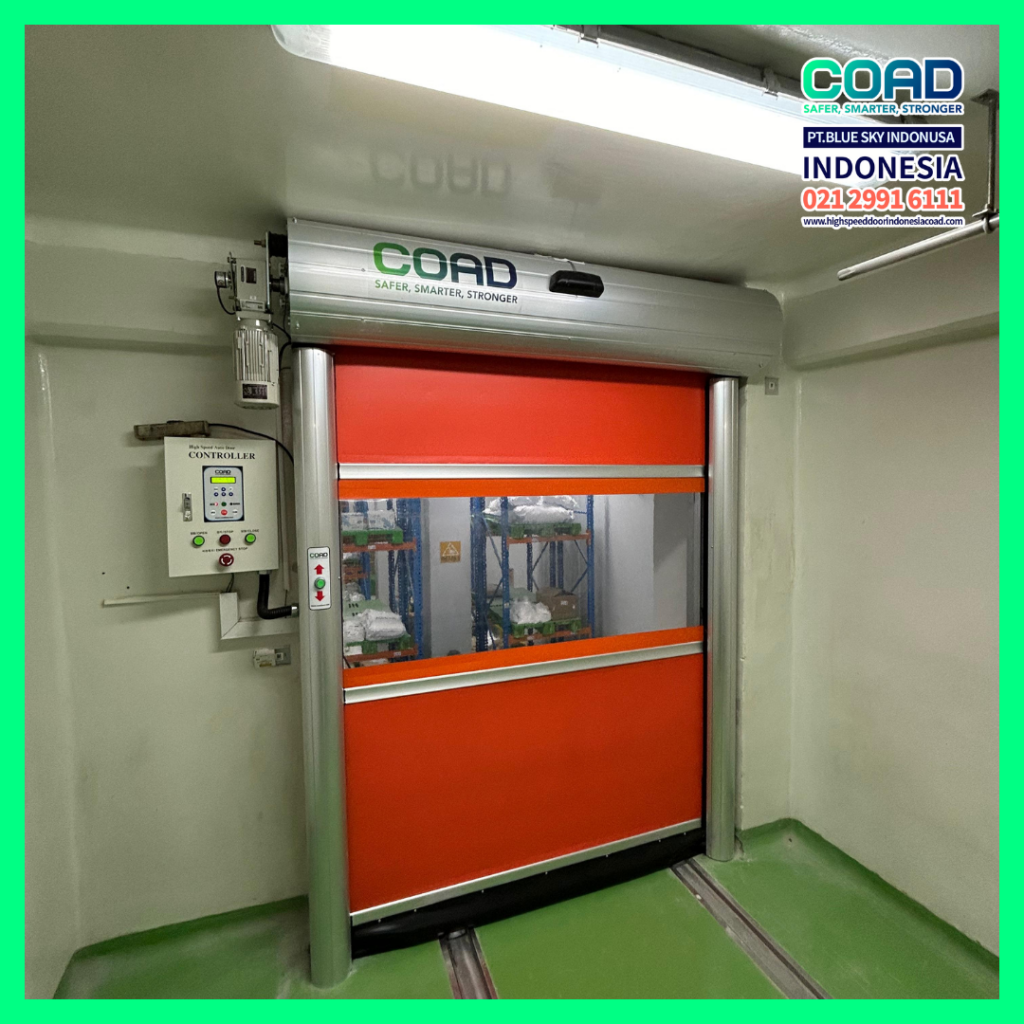
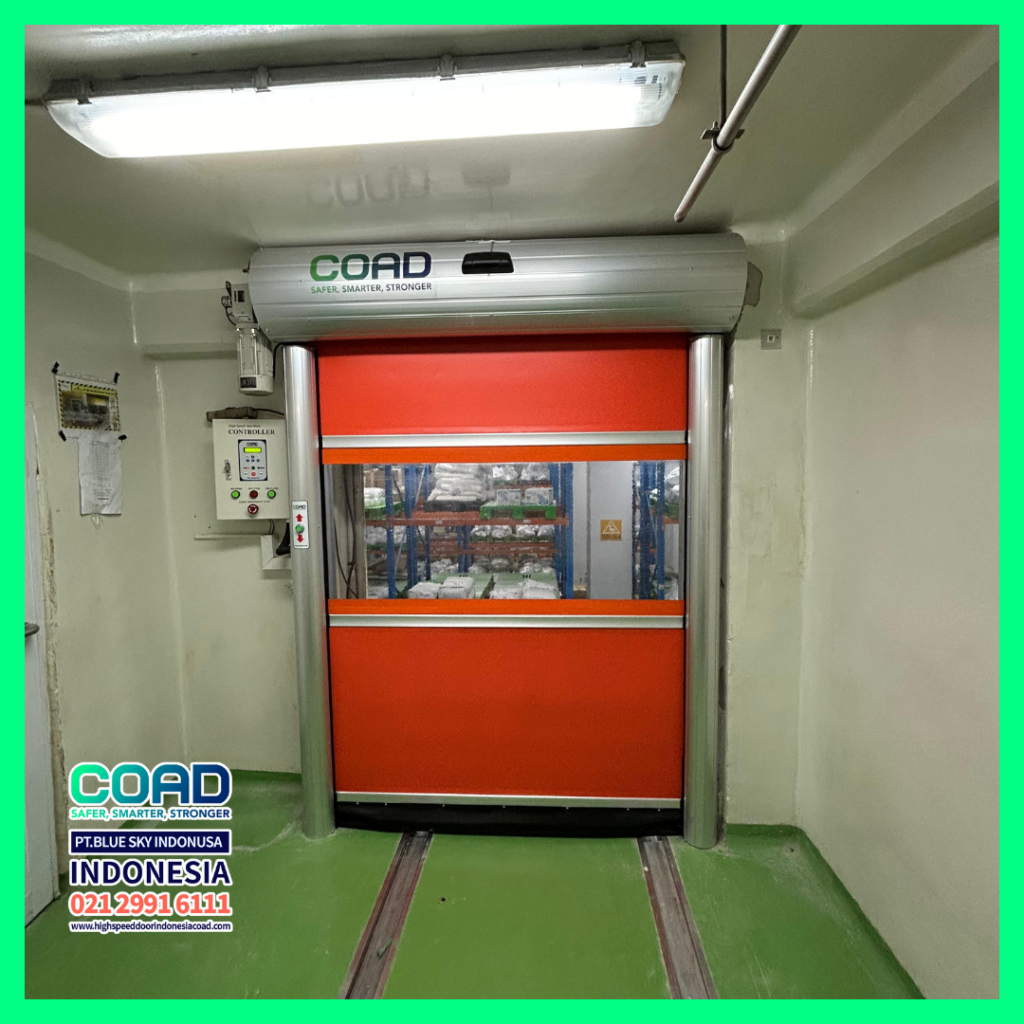
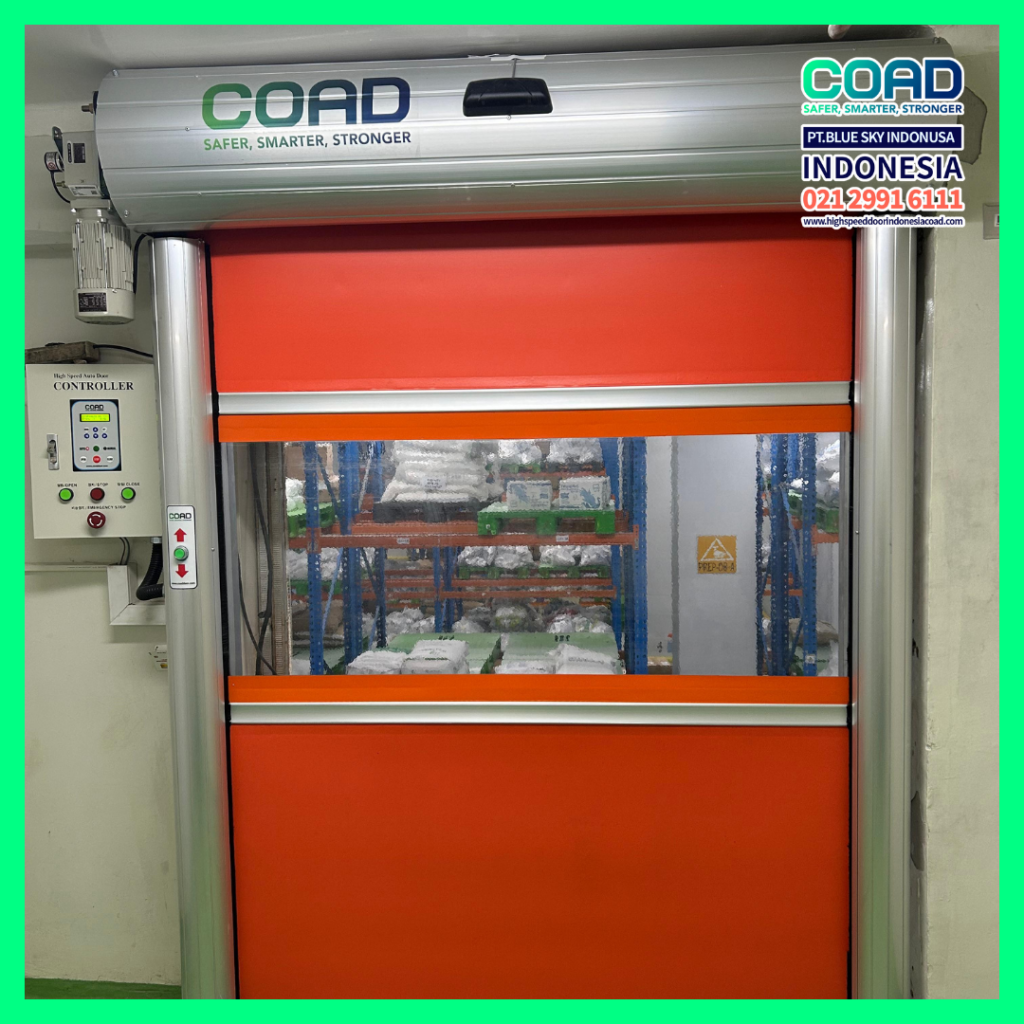
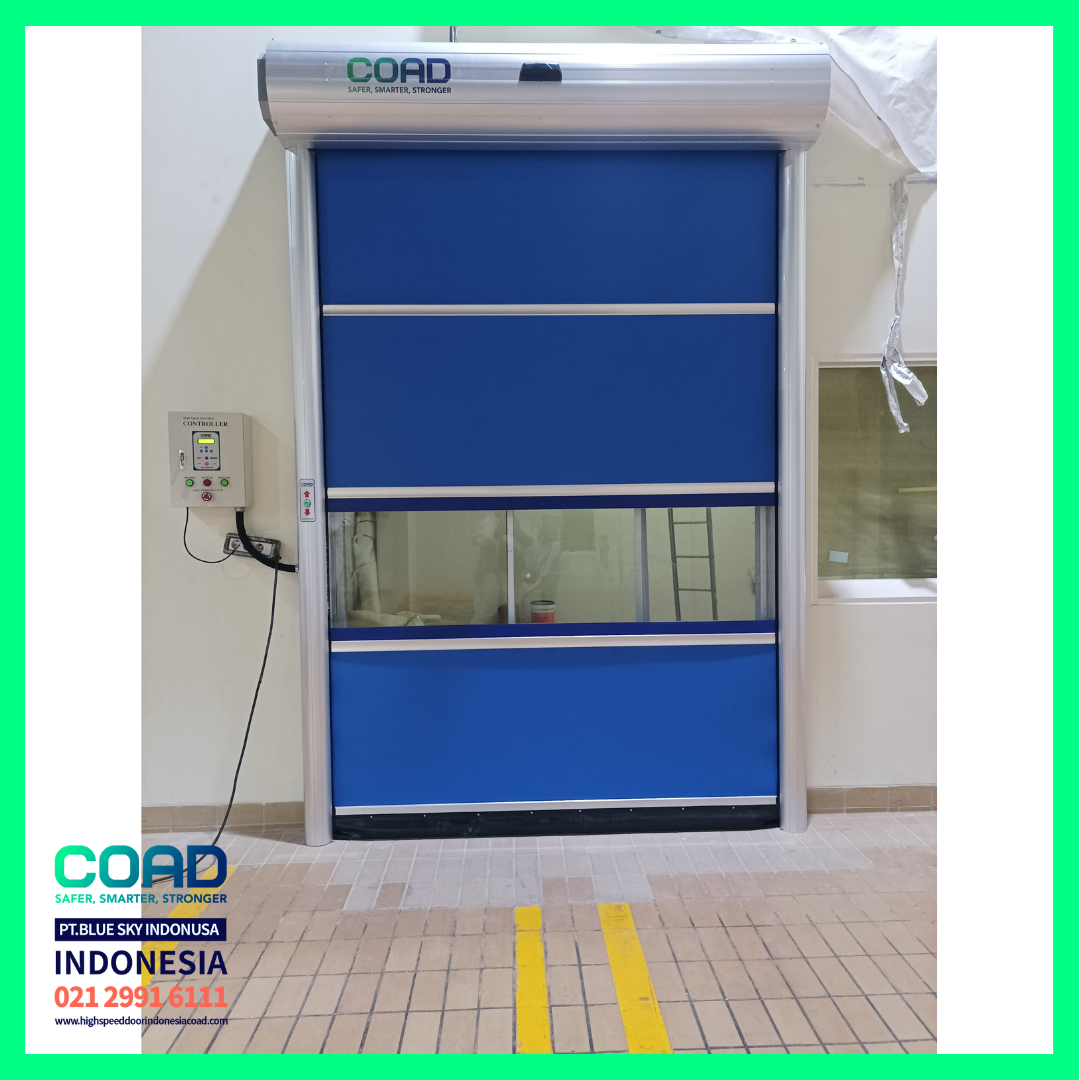
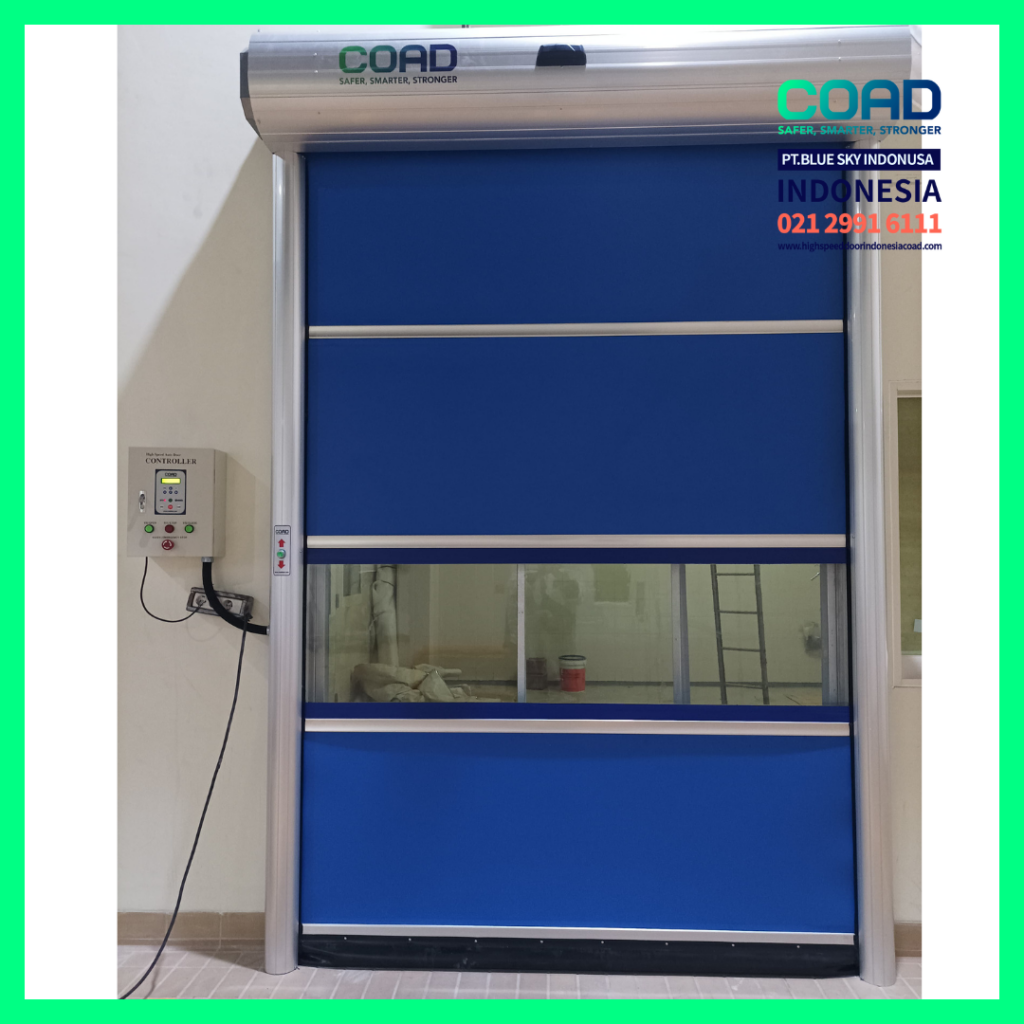
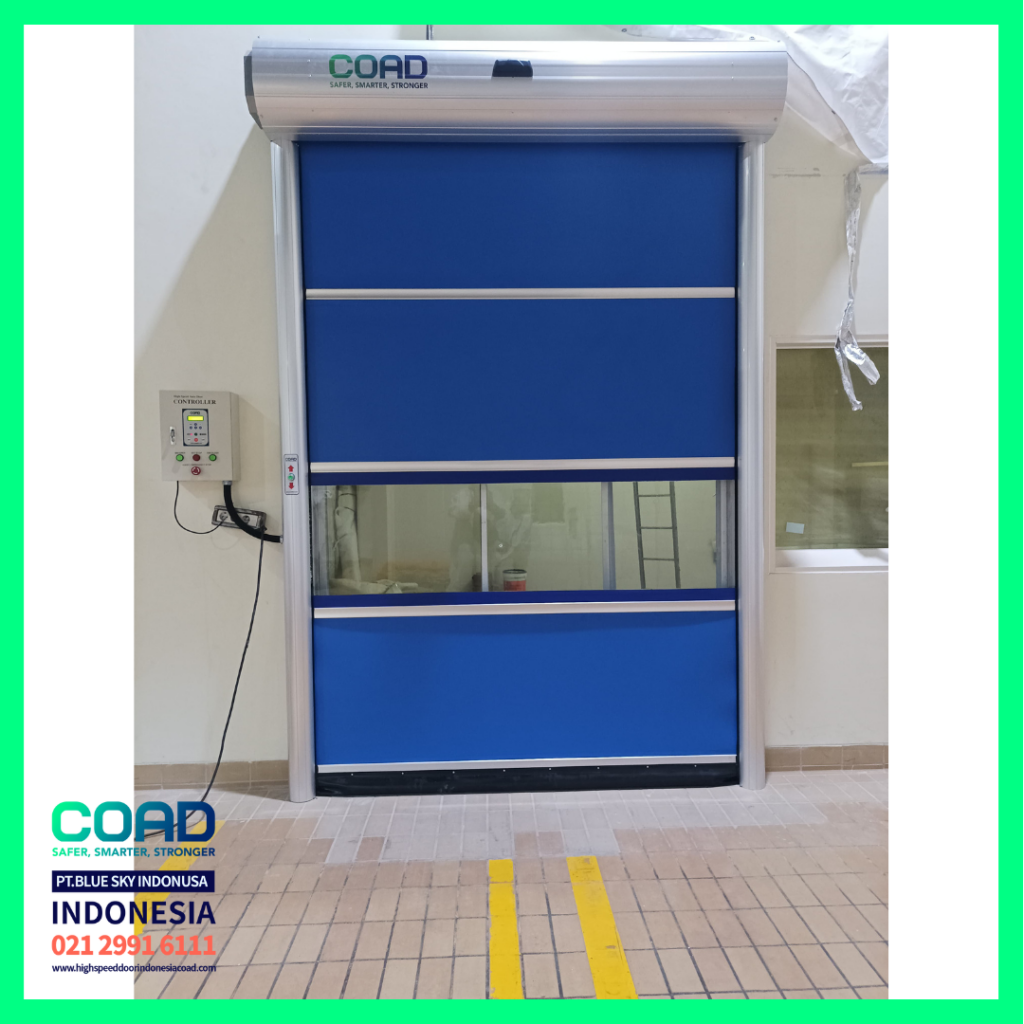
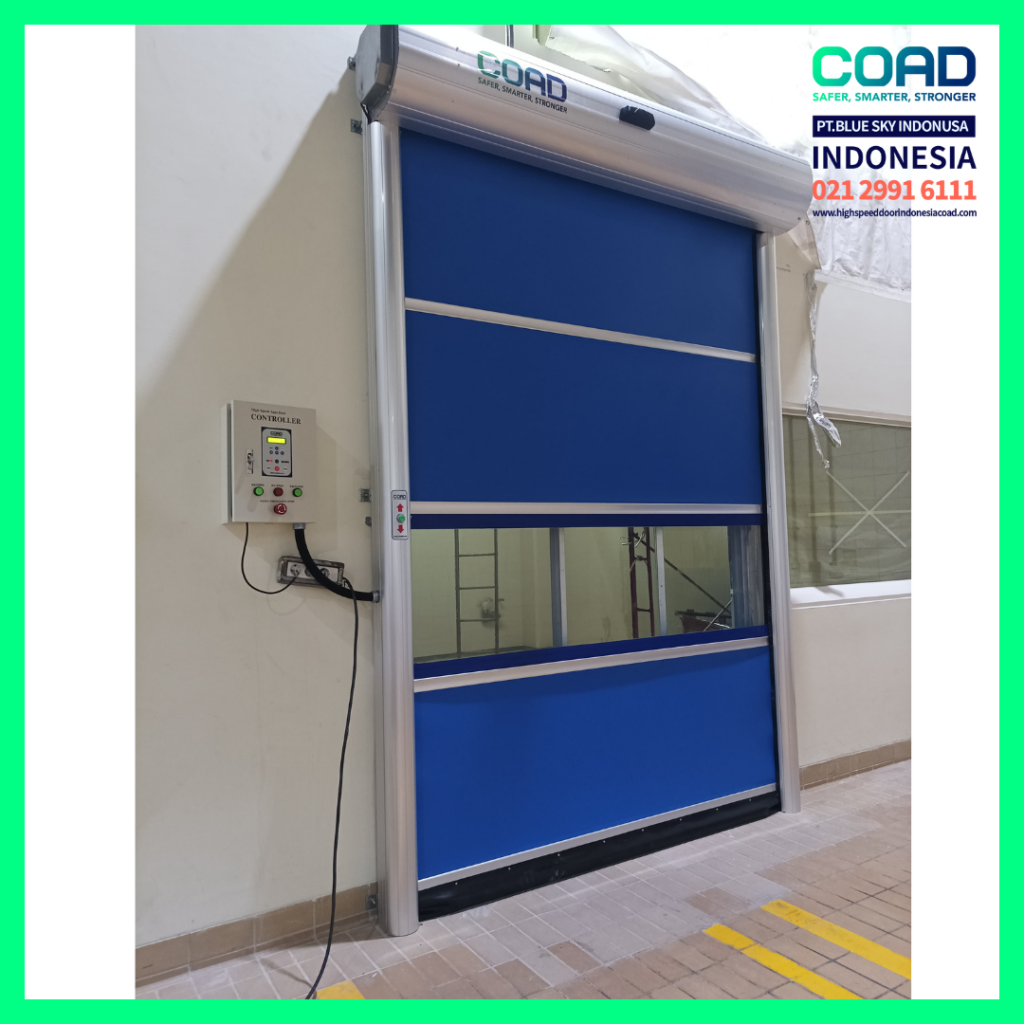
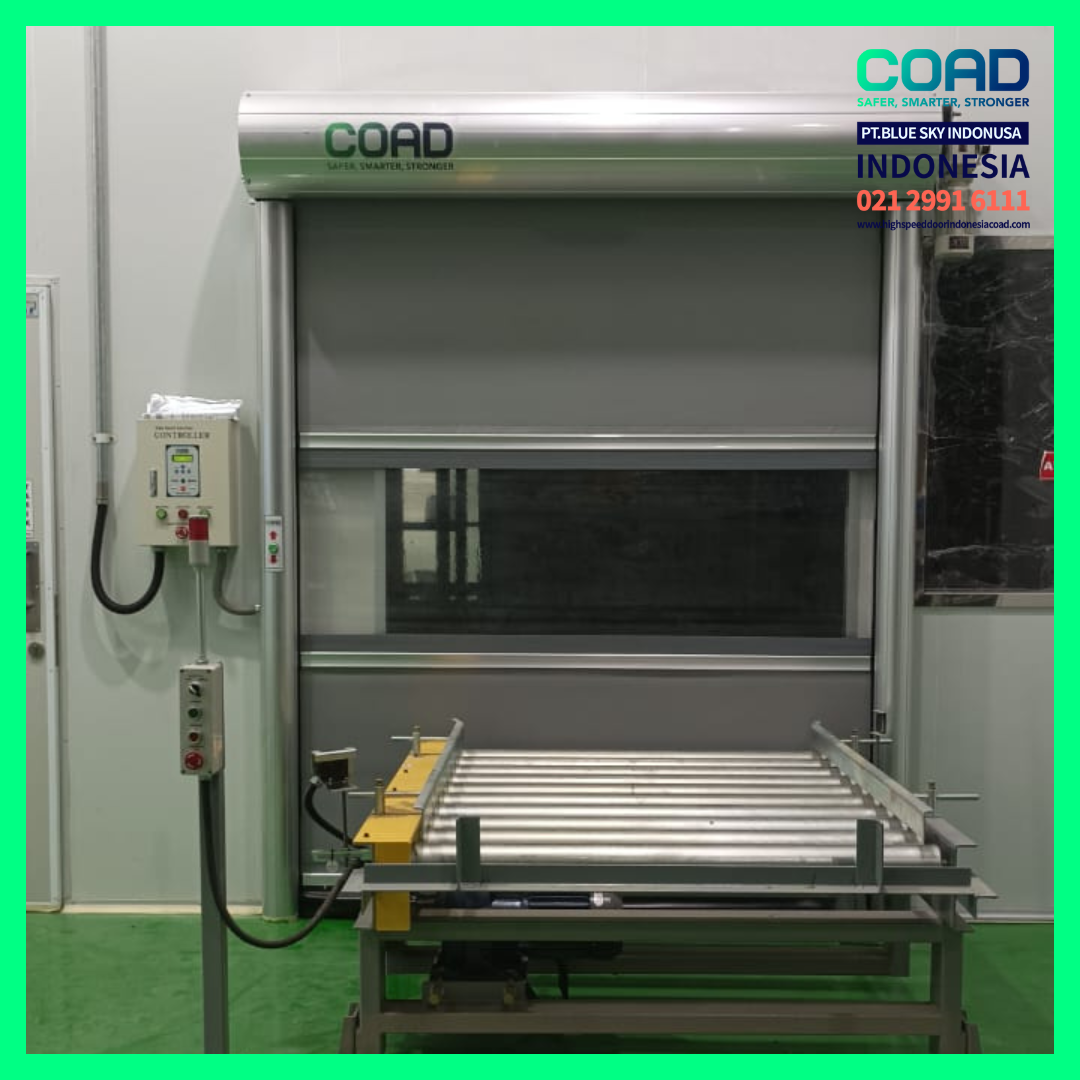
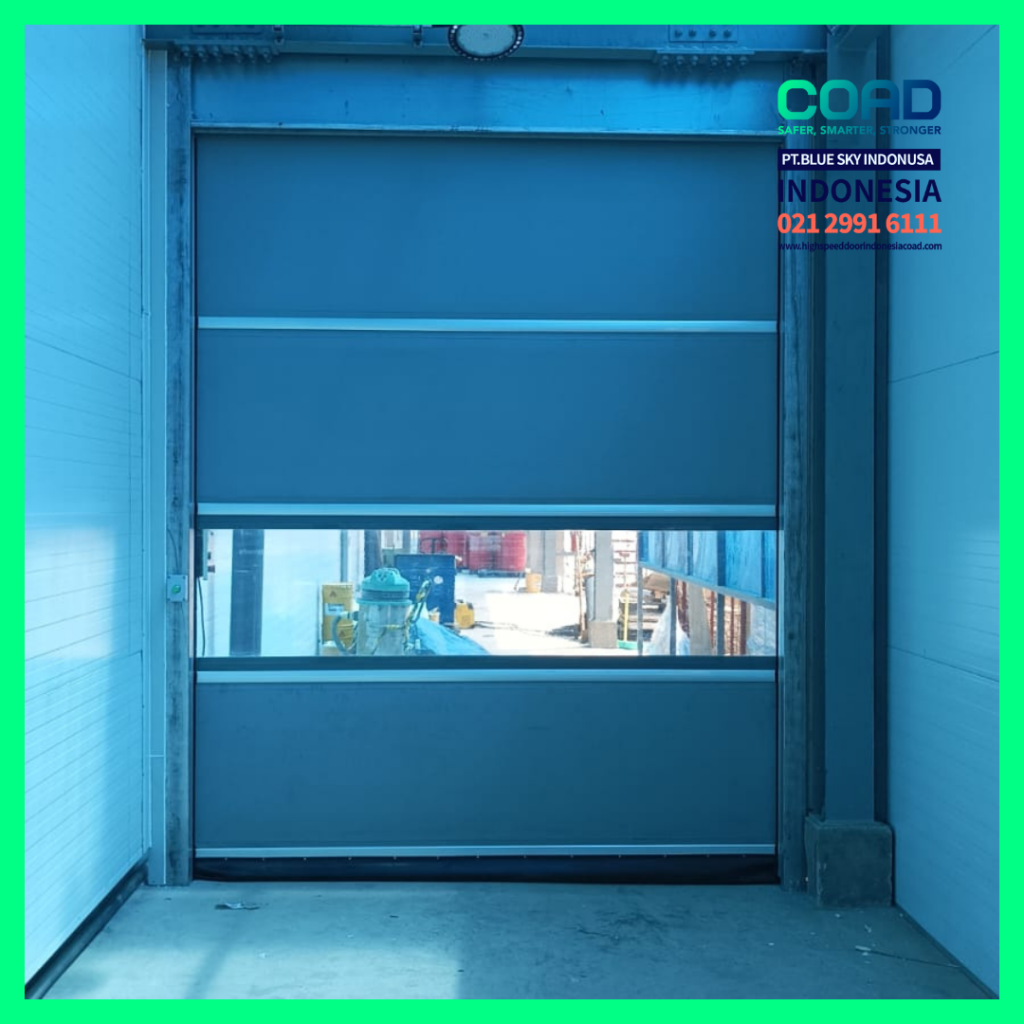
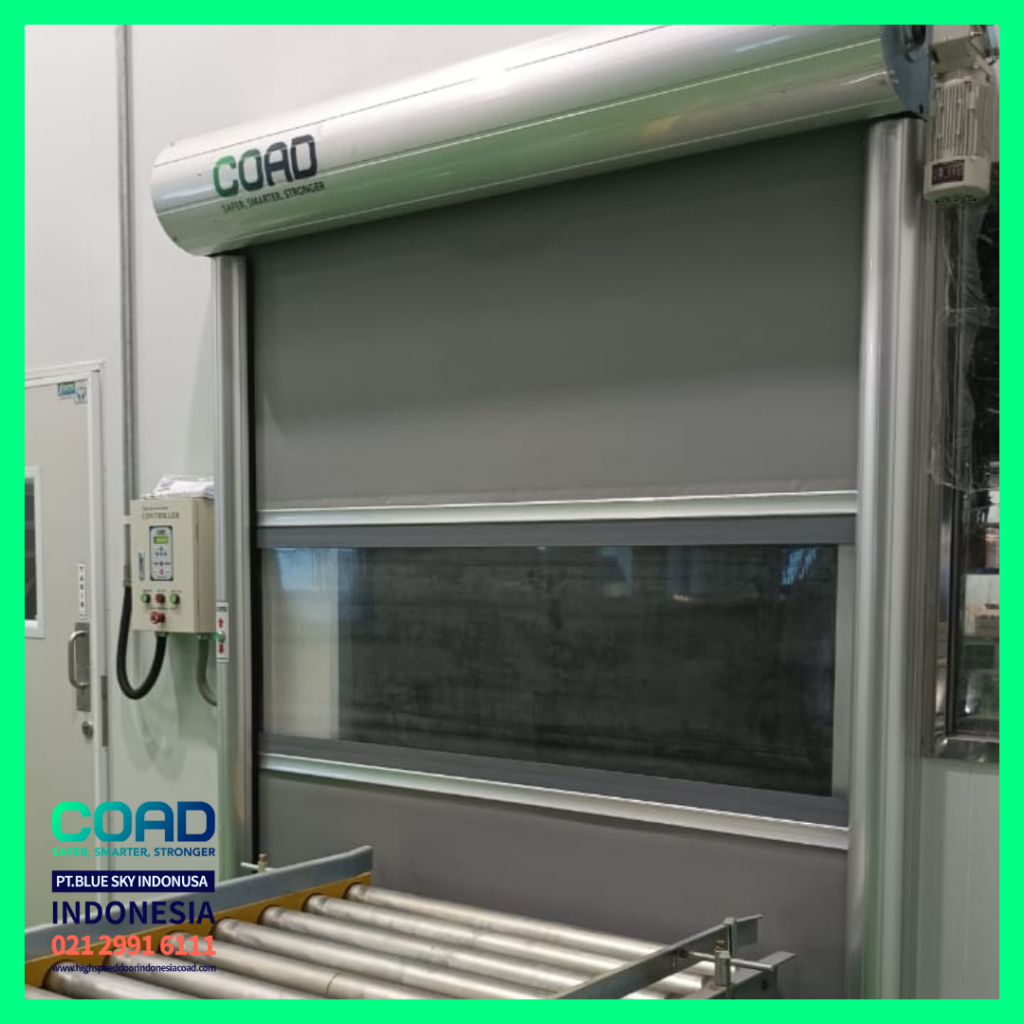
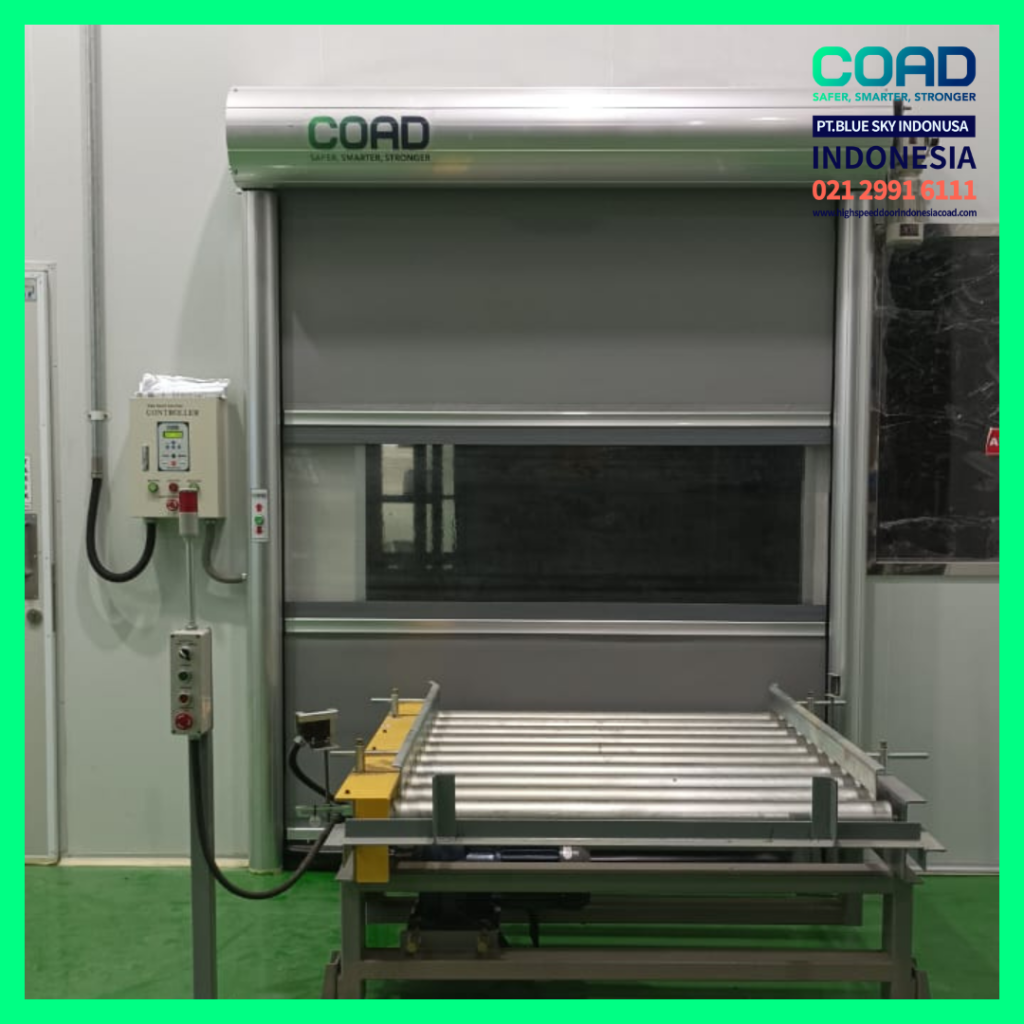
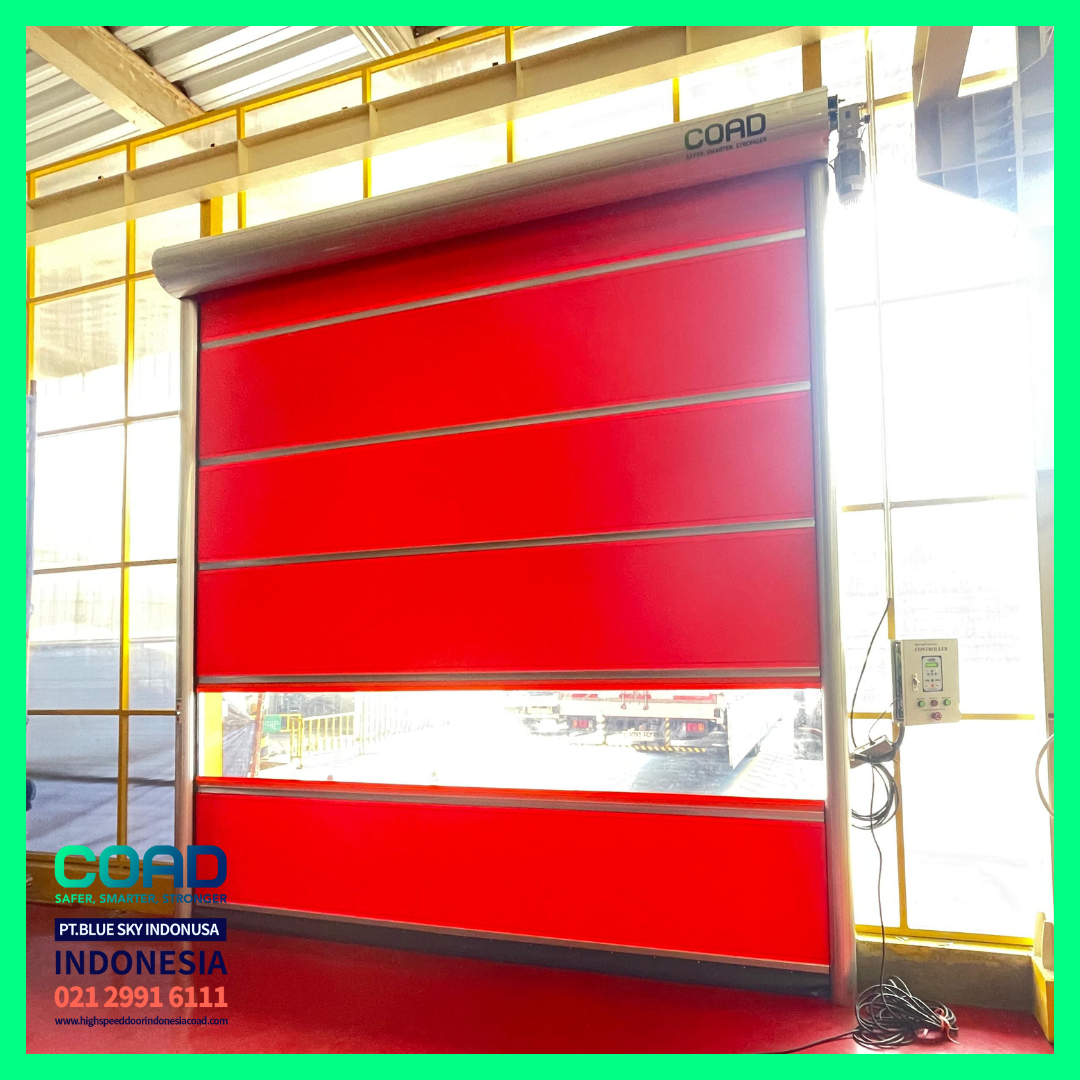
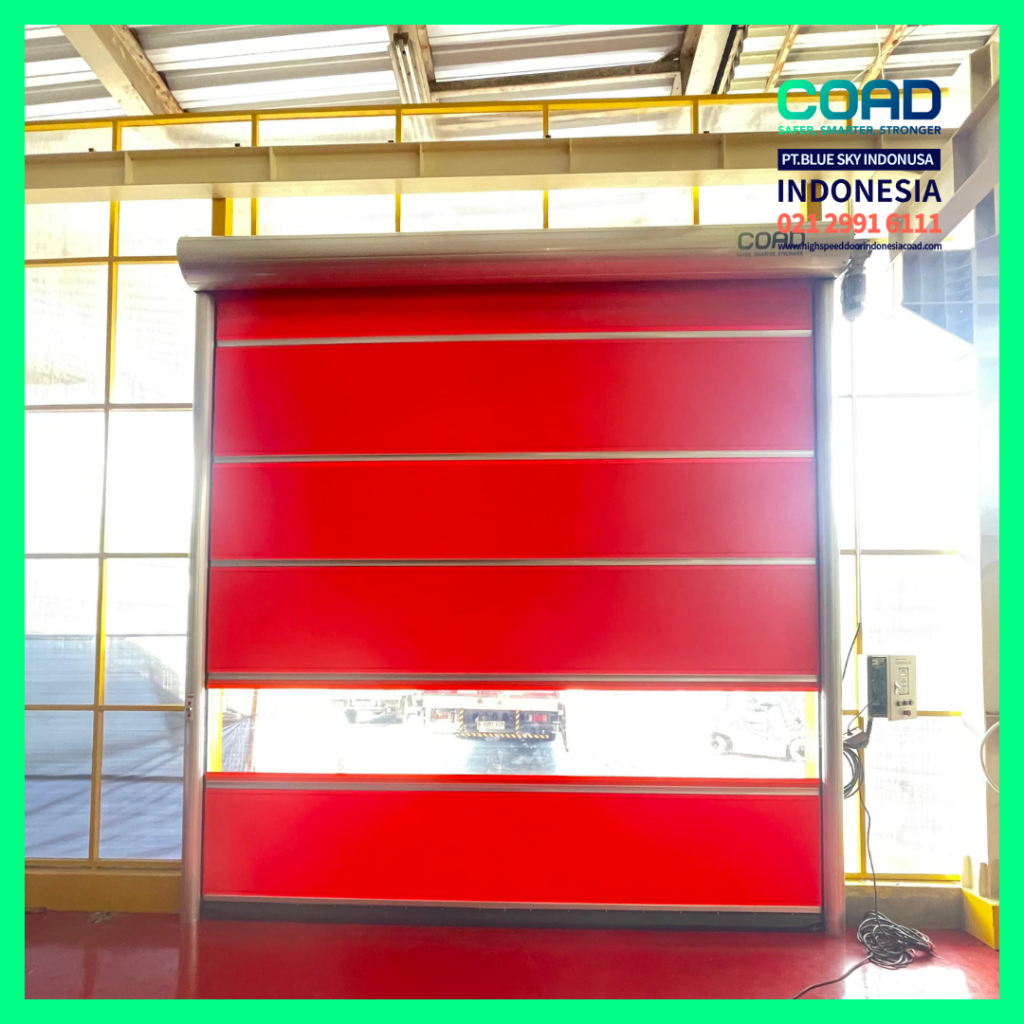
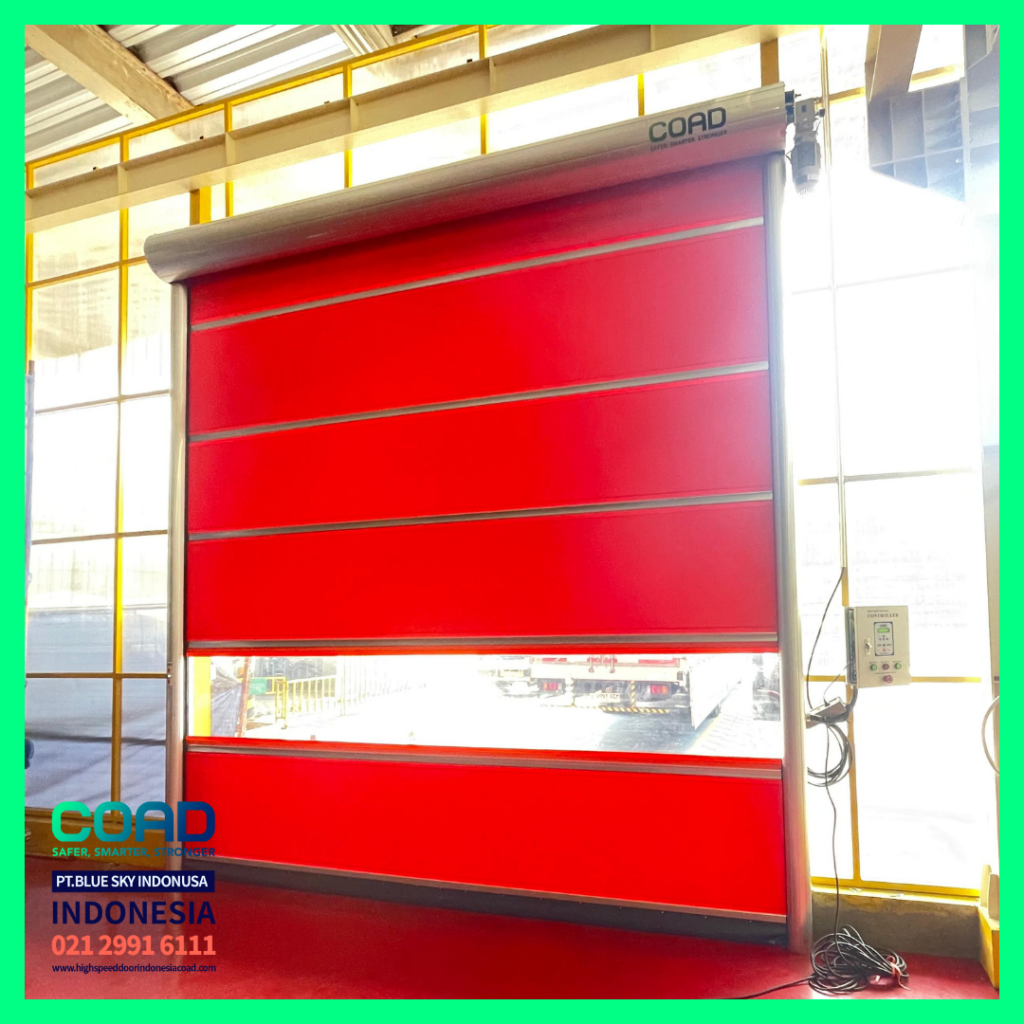
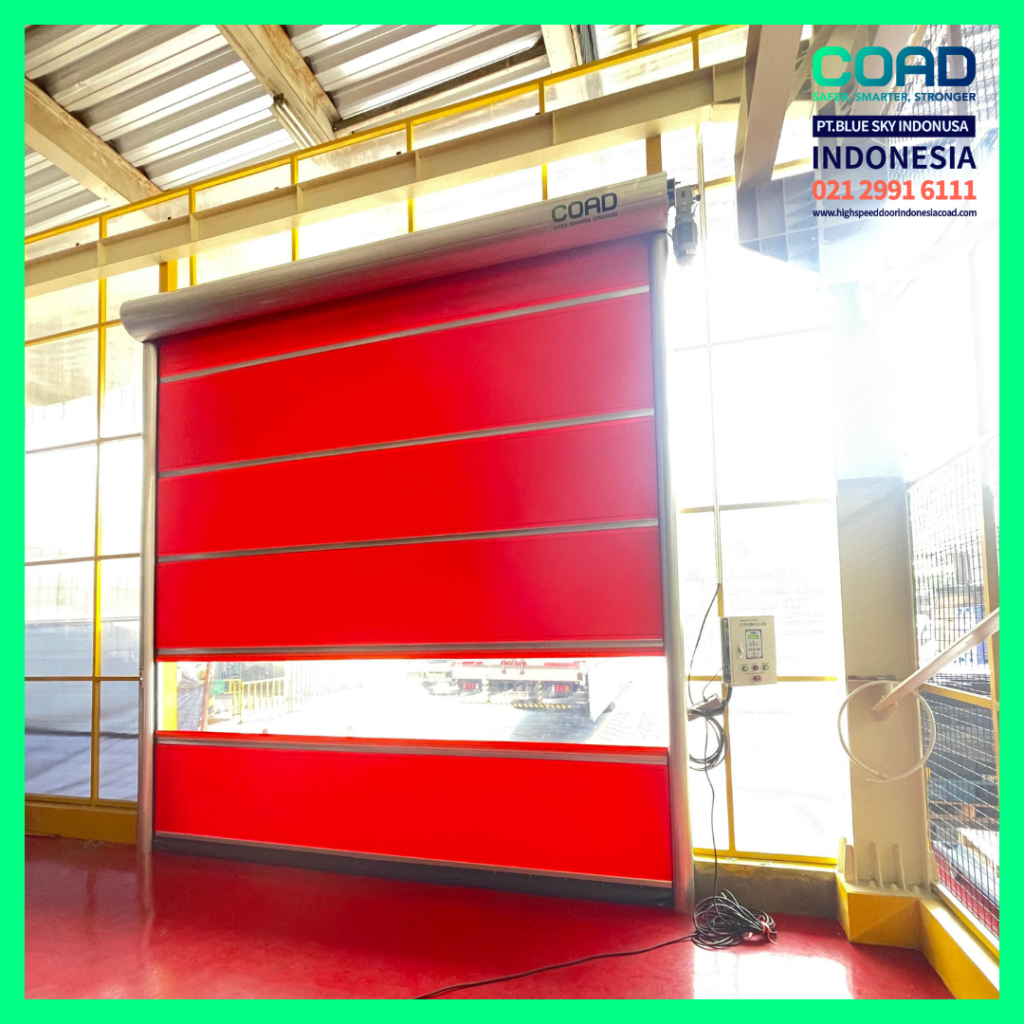
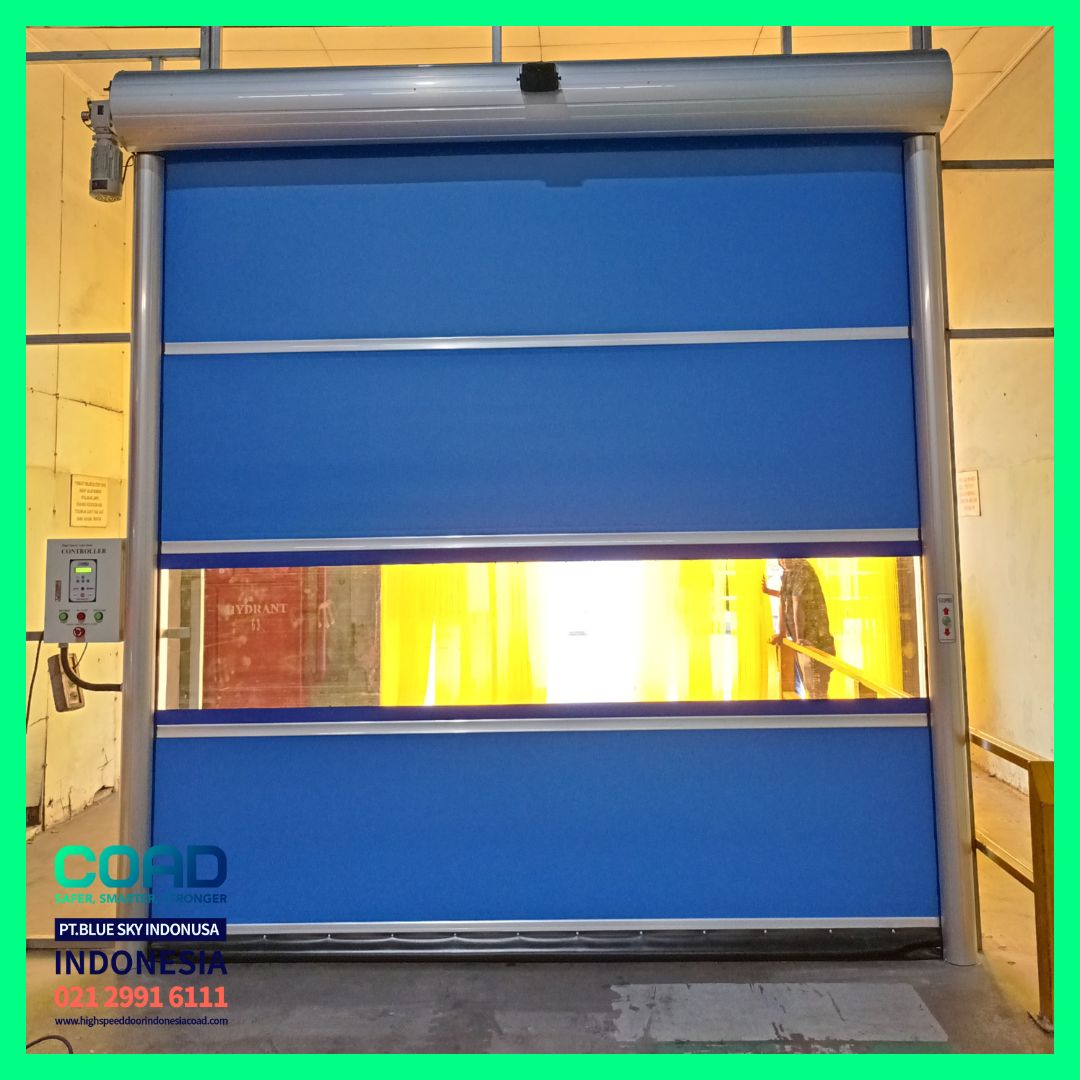
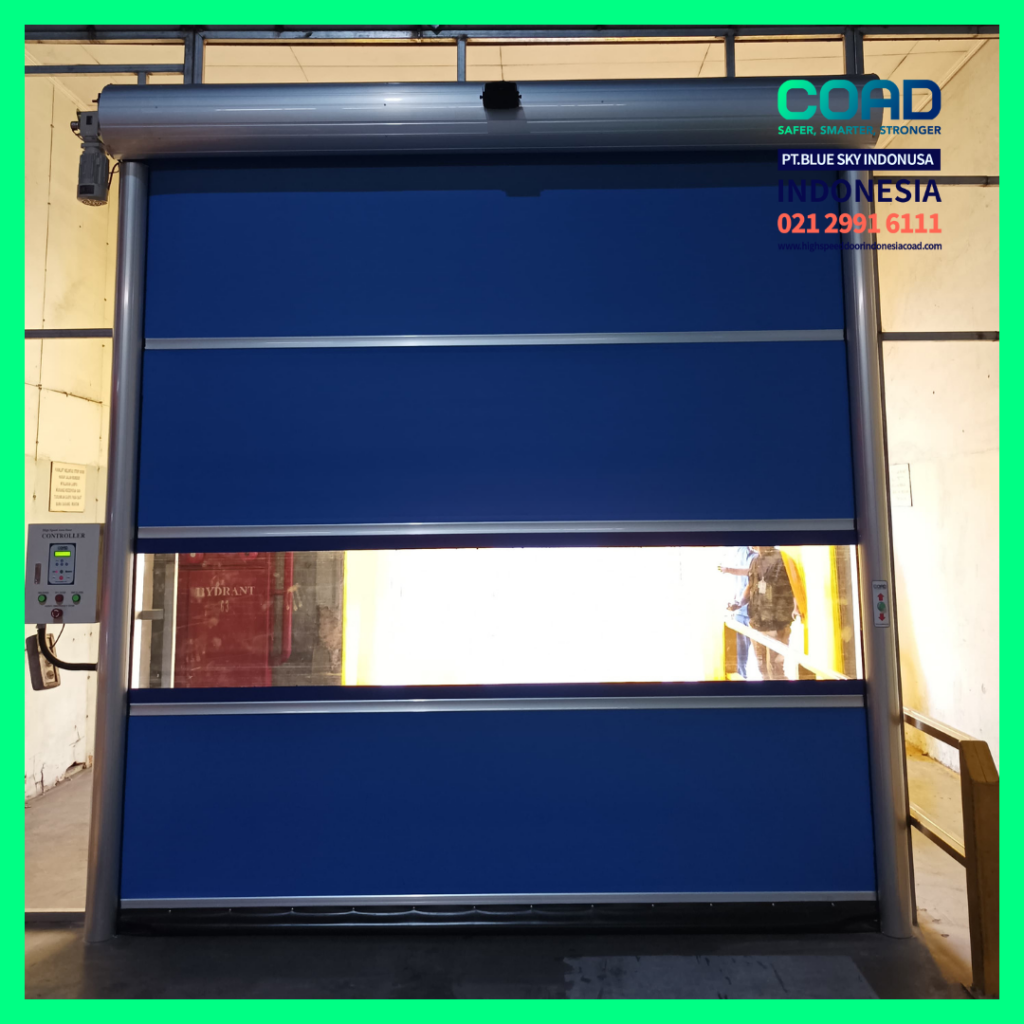
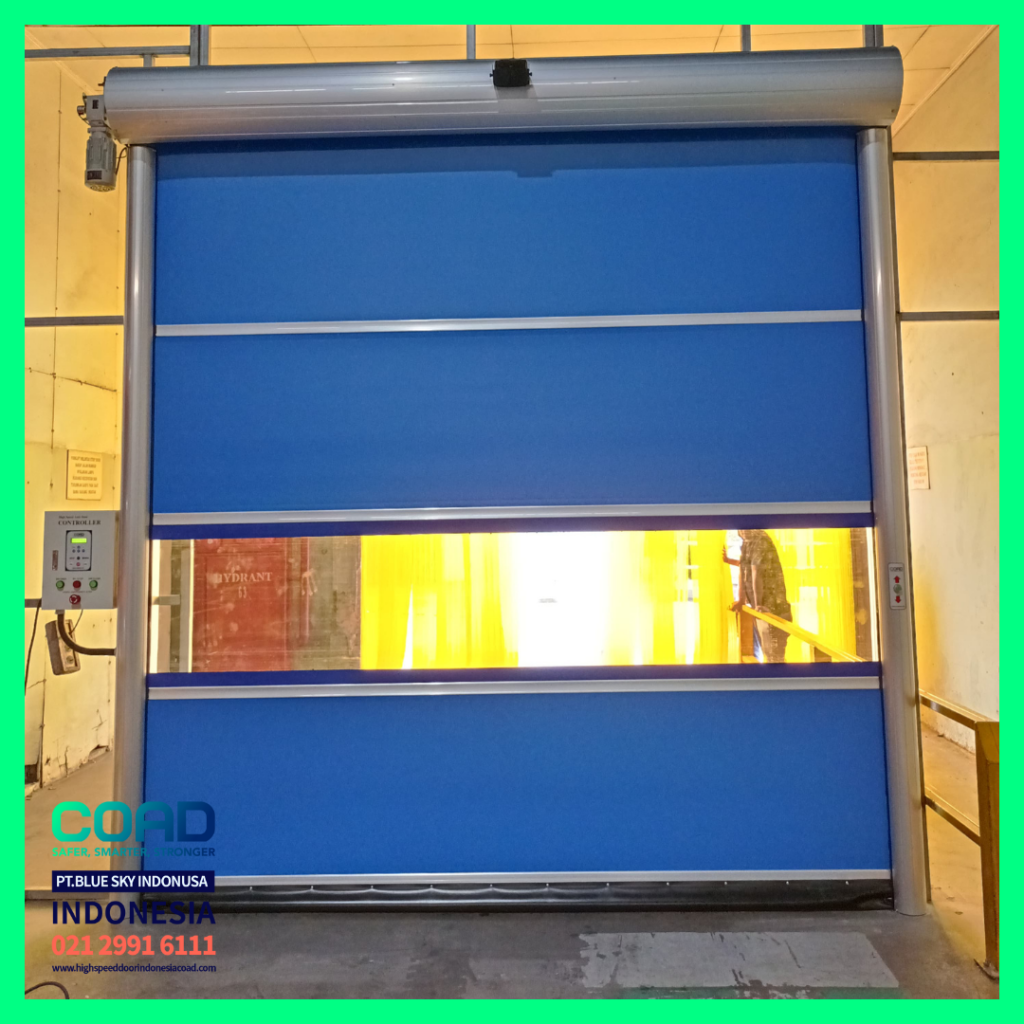
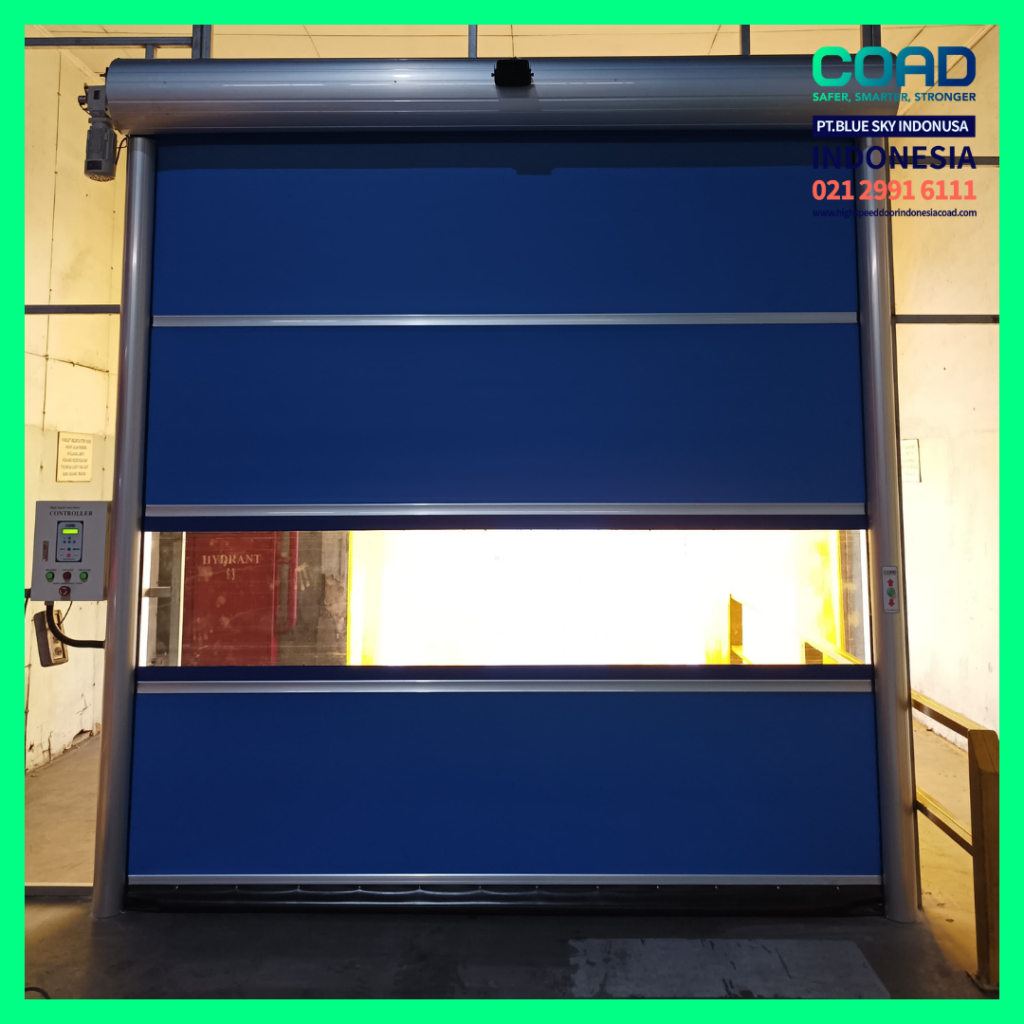
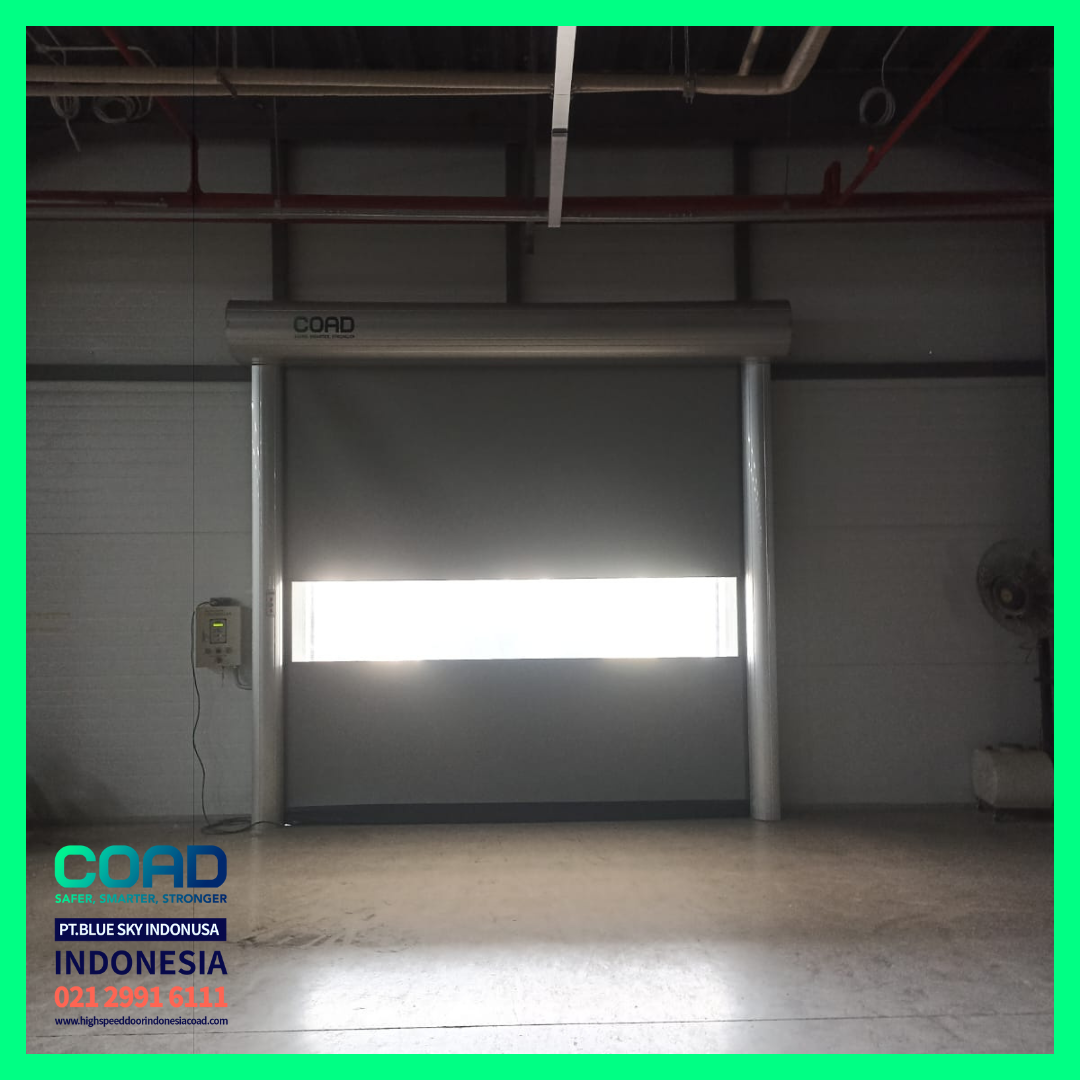
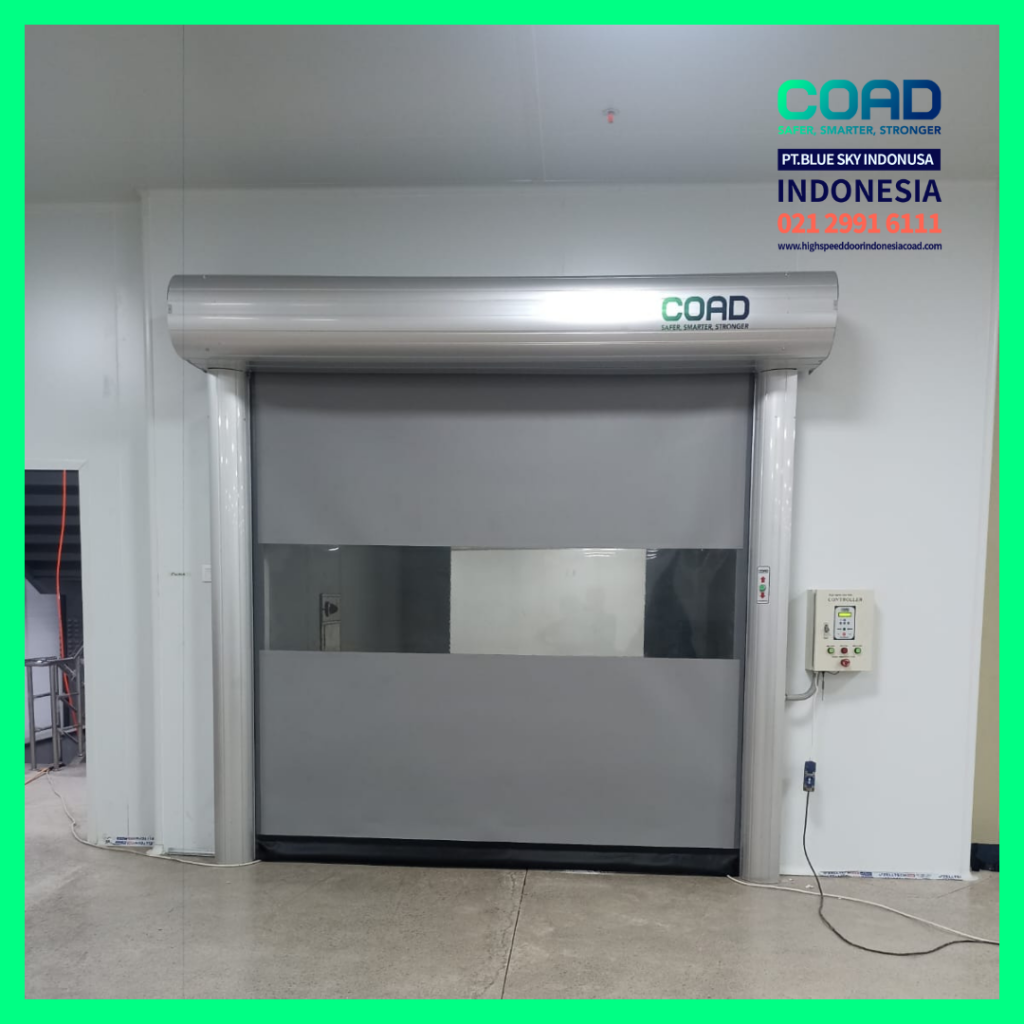
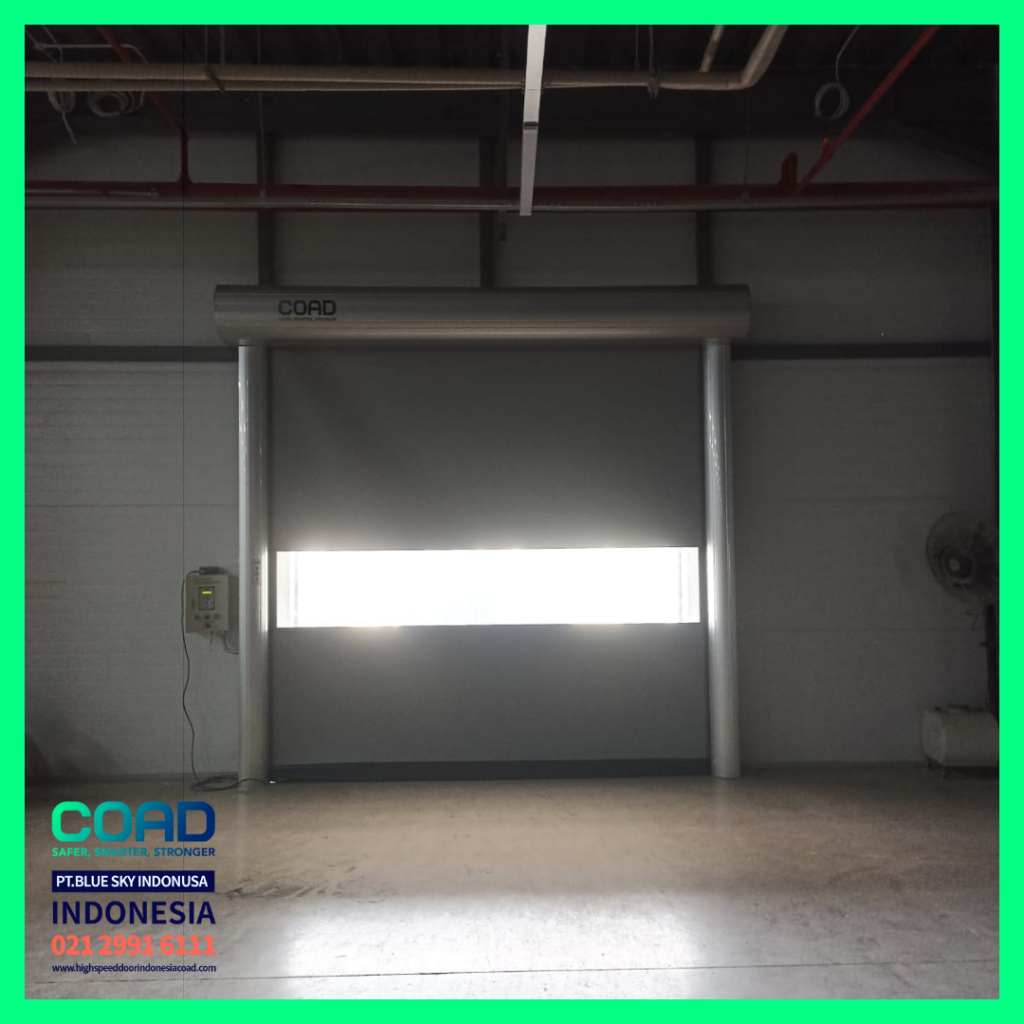
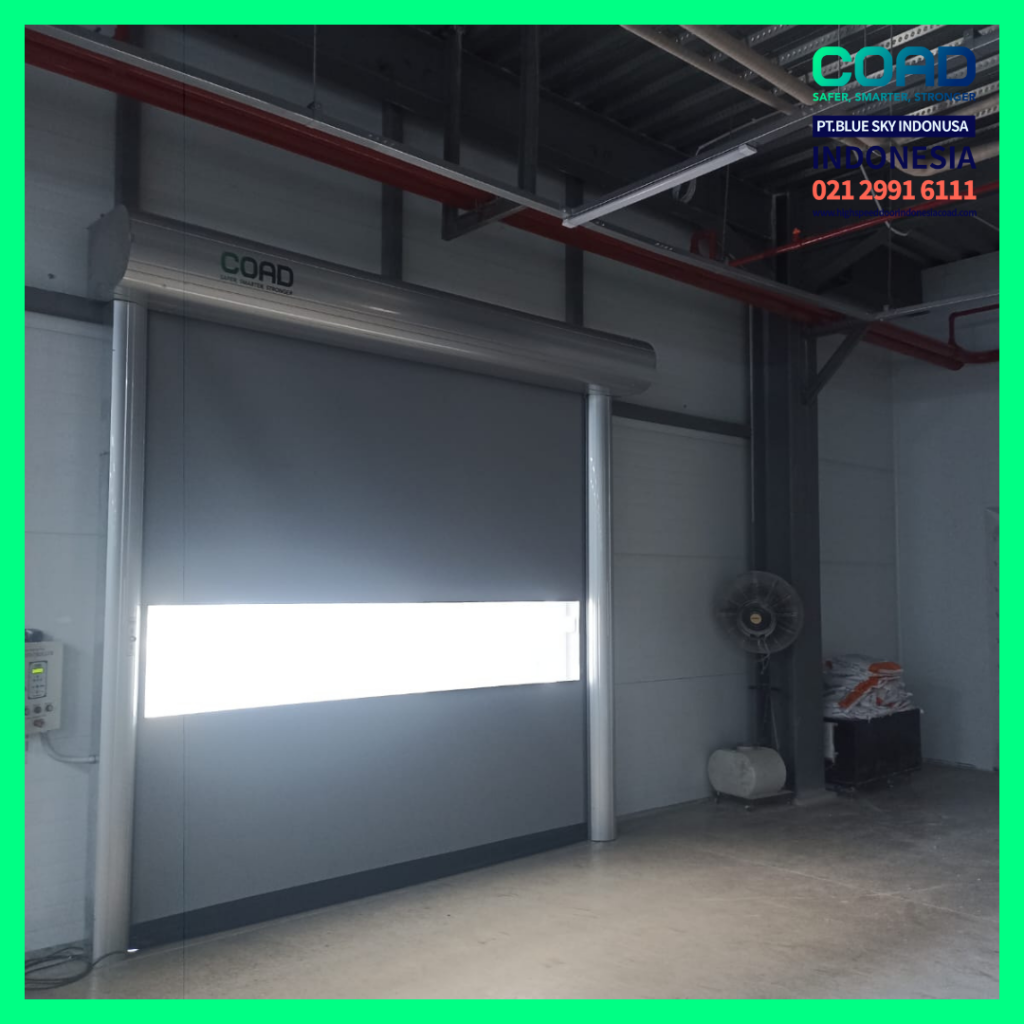
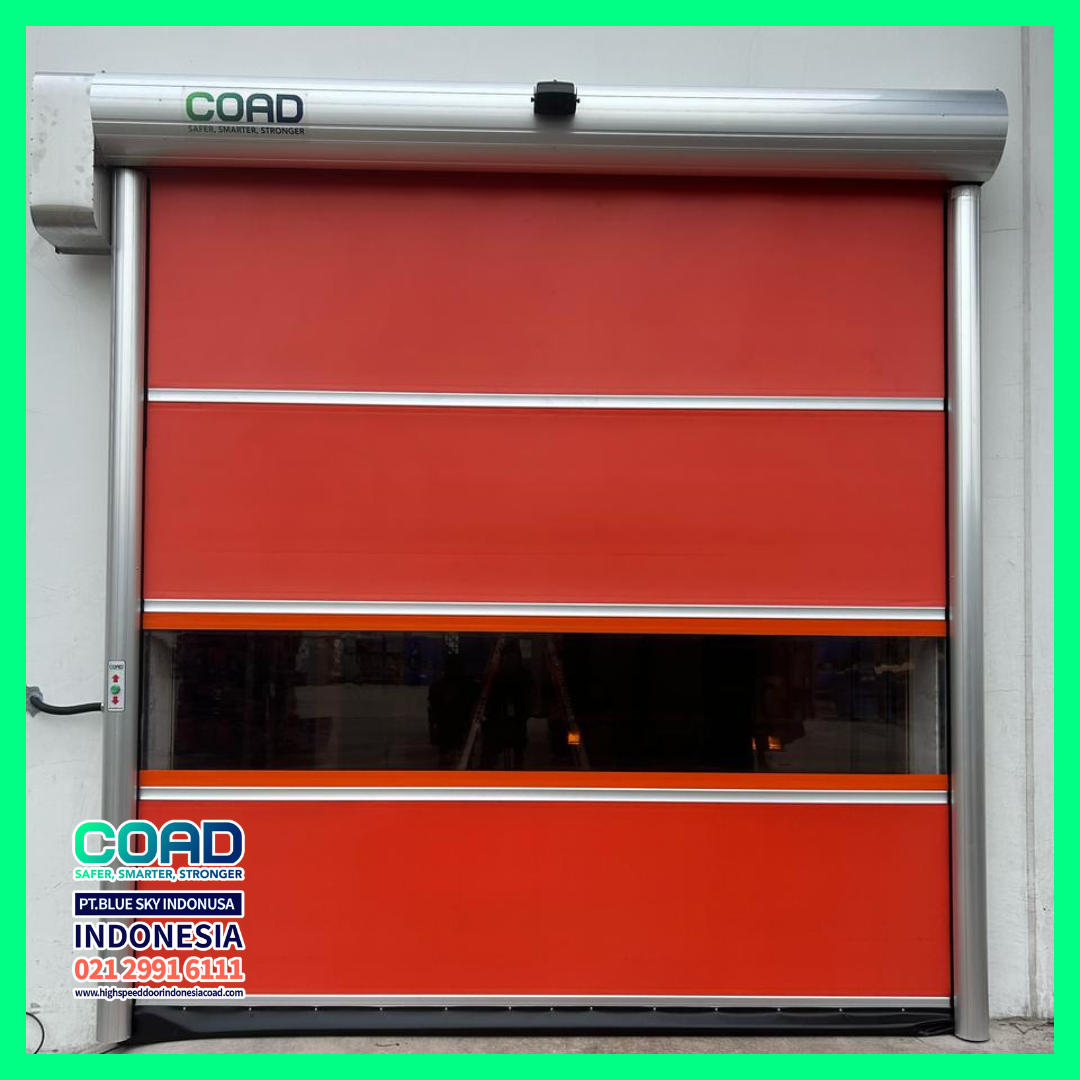
One often-overlooked yet crucial component of warehouse efficiency is the type of doors used. In smart warehouses, COAD High-Speed Doors play a vital role in optimizing workflow, reducing energy loss, and enhancing safety. These doors open and close within seconds, ensuring smooth traffic flow for AGVs, forklifts, and workers. Additionally, COAD’s high-speed doors come with motion sensors and safety features that prevent accidents, making them an essential addition to any modern warehouse infrastructure.
Get special offer up to 20% off on your purchase @ March 2025!
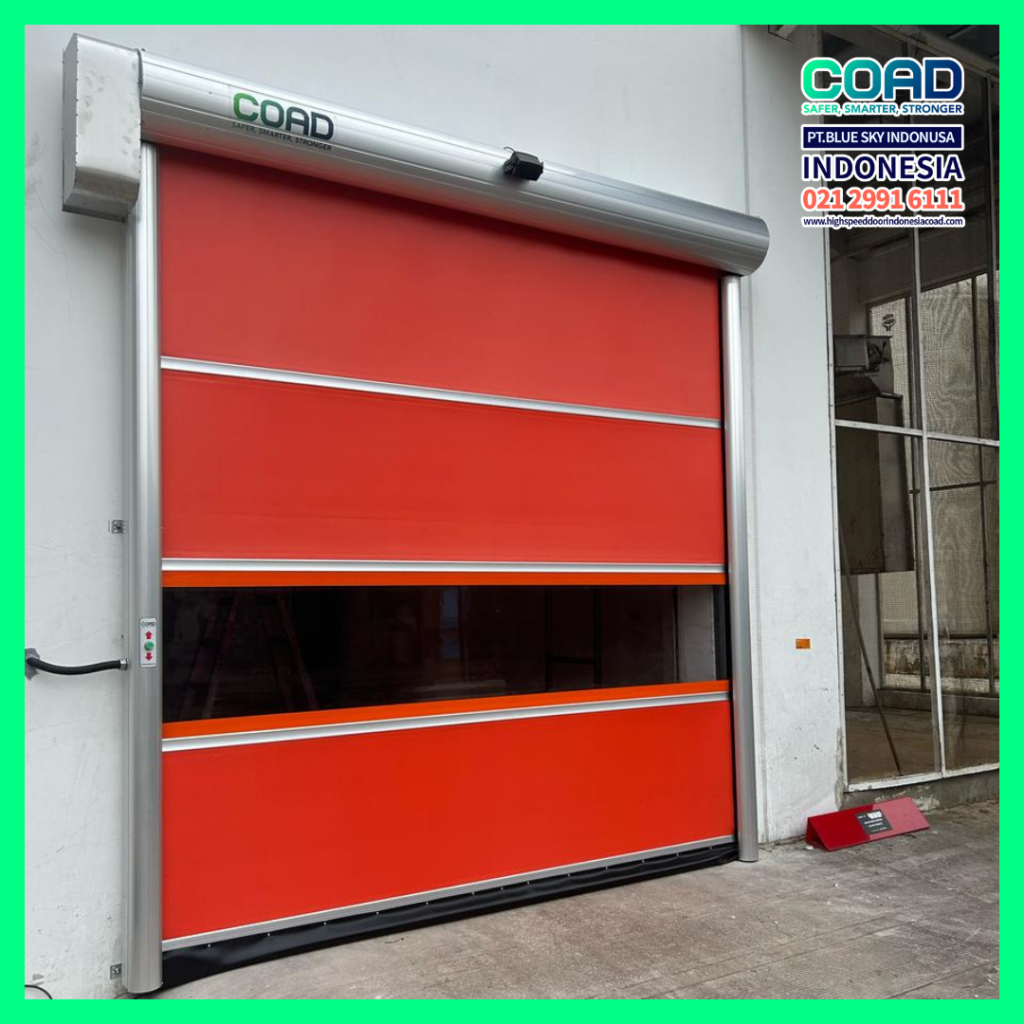
Upgrading to a smart warehouse starts with investing in the right technology—and that includes the right high-speed door solutions. Explore COAD’s range of automated industrial doors to take your warehouse operations to the next level! 🚀
COAD Indonesia
Call center:
+62 21 299-16111
WhatsApp:
(Sales 1) 0816-1717-6440
(Sales 2) 0855-1051-095
(Sales 3) 0812-1110-2255
Email: mkt@coad.co.id
Address: The Bellezza Shopping Arcade Unit 270 Lt 2
Jl. Letjen Soepono No. 34, Arteri Permata Hijau Jakarta 12210 Indonesia
Branch in East Java Area:
Jemurwonosari Gg. Mualim No. 6 Surabaya 60237
Arief Tri Wibowo
0813-3157-0117