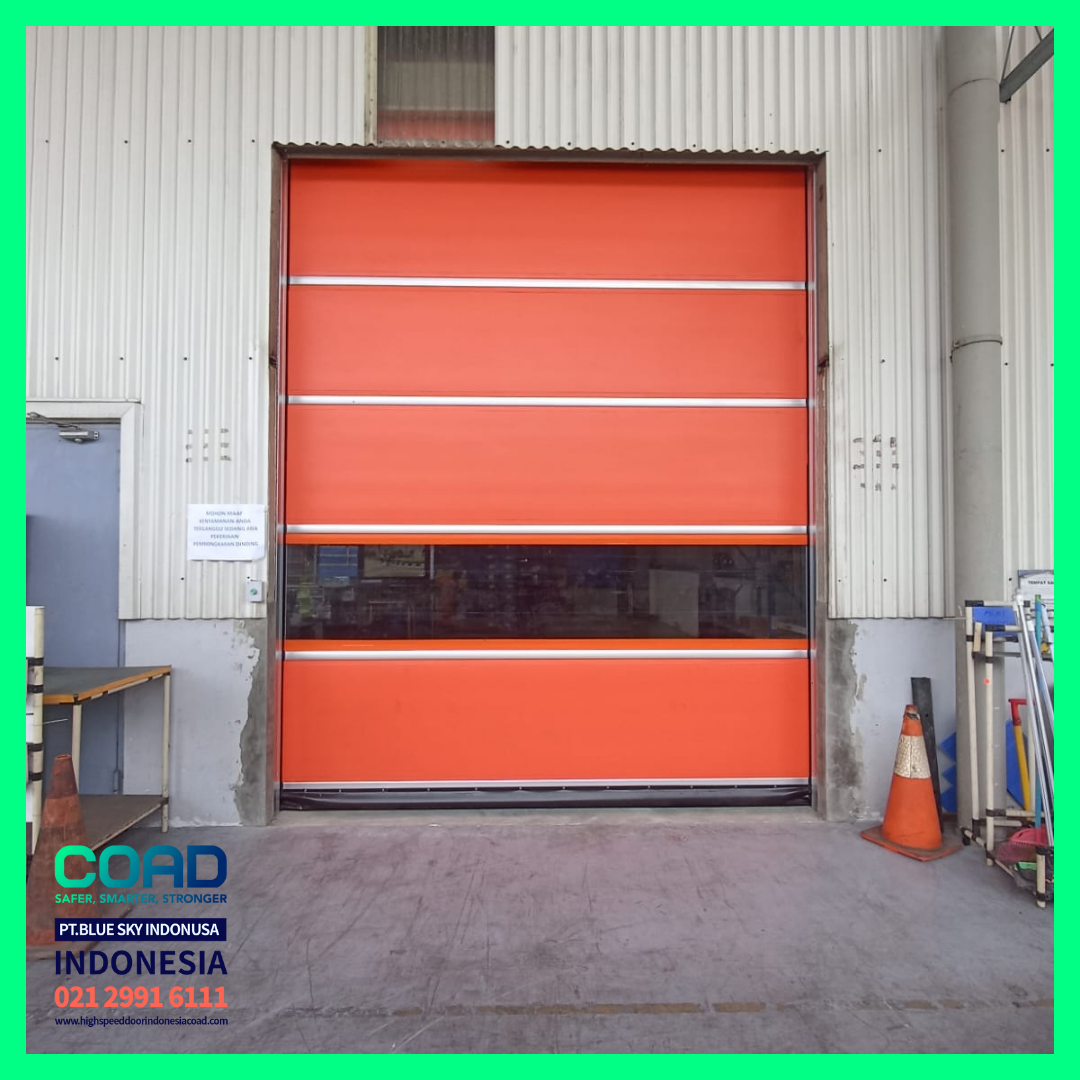
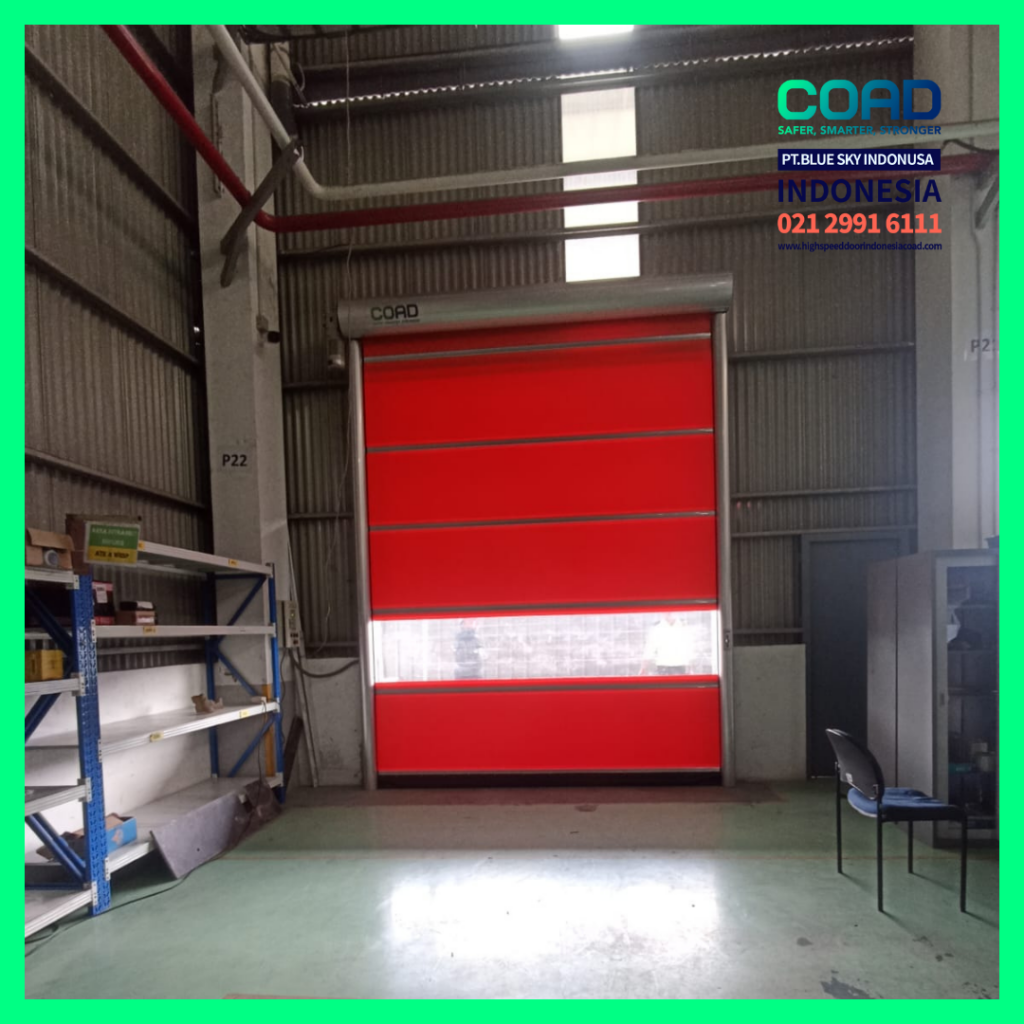
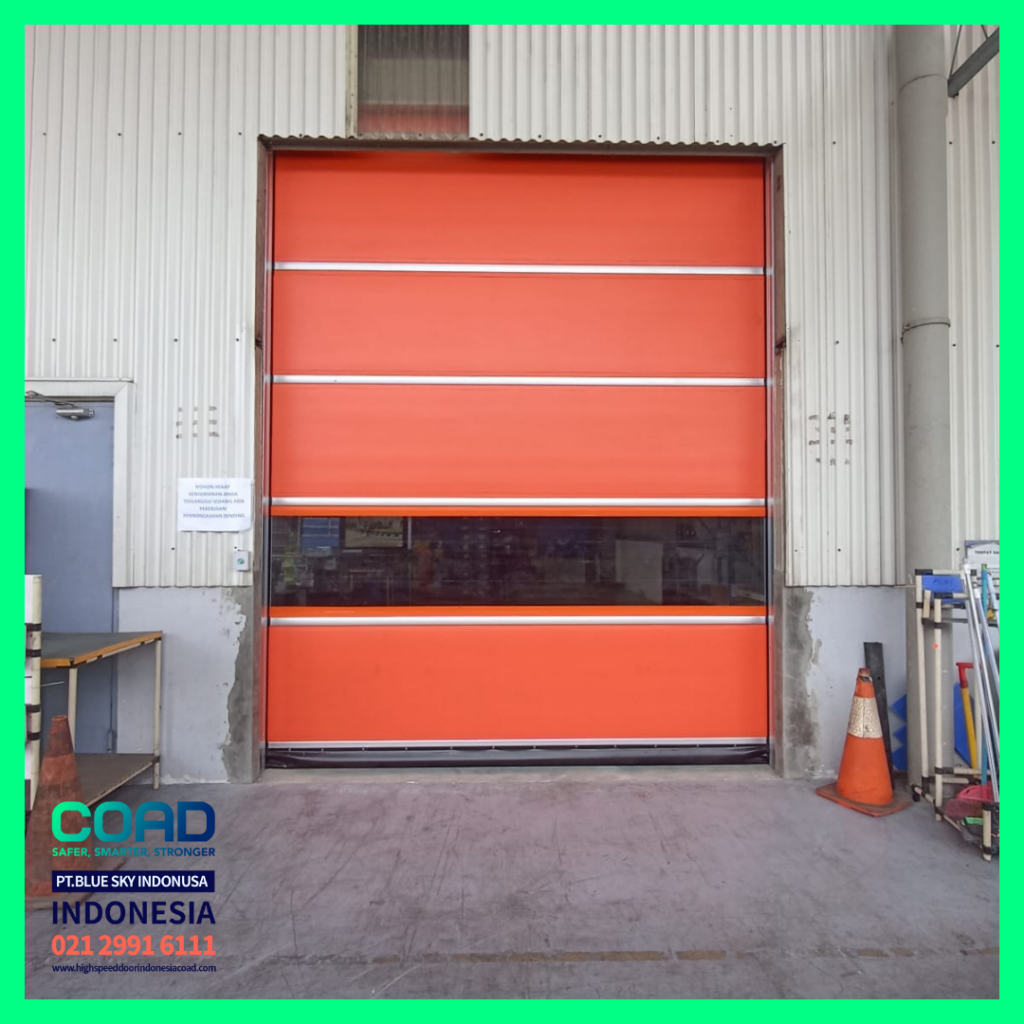
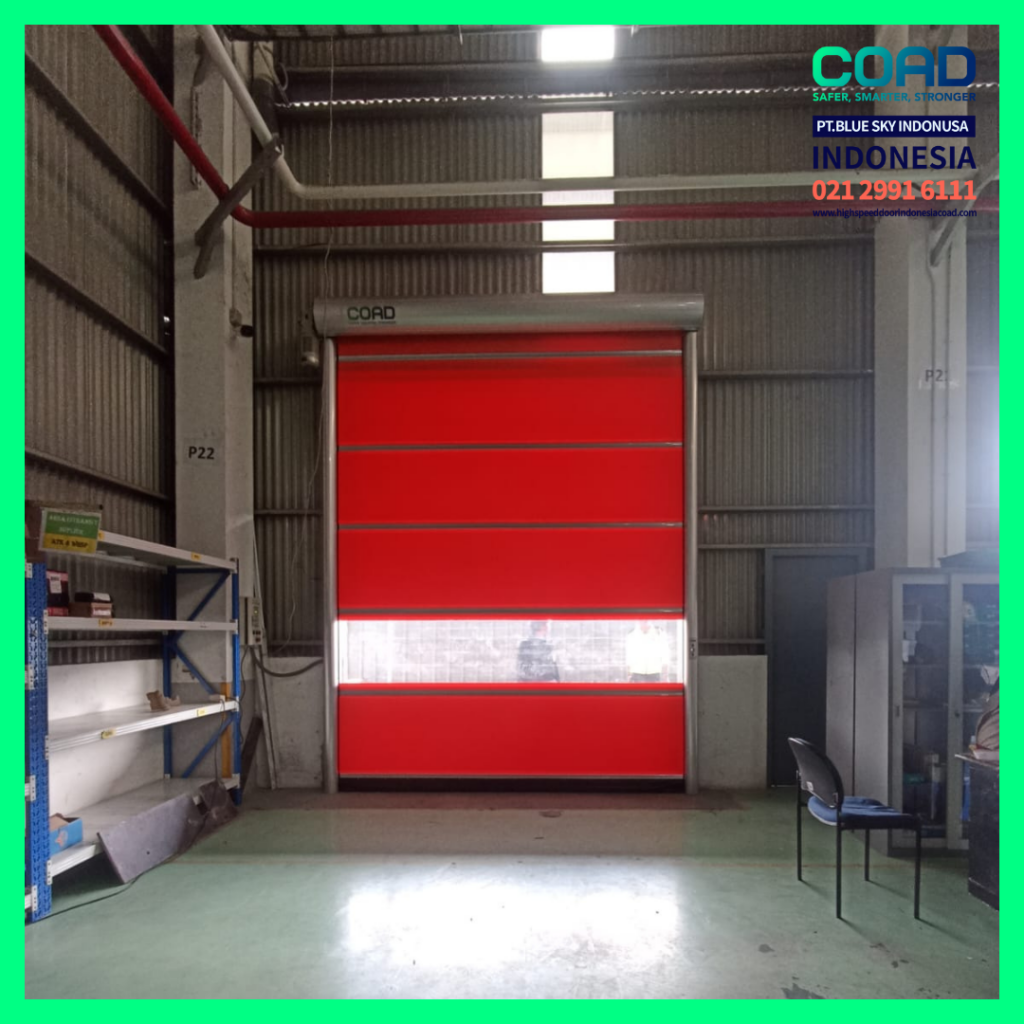
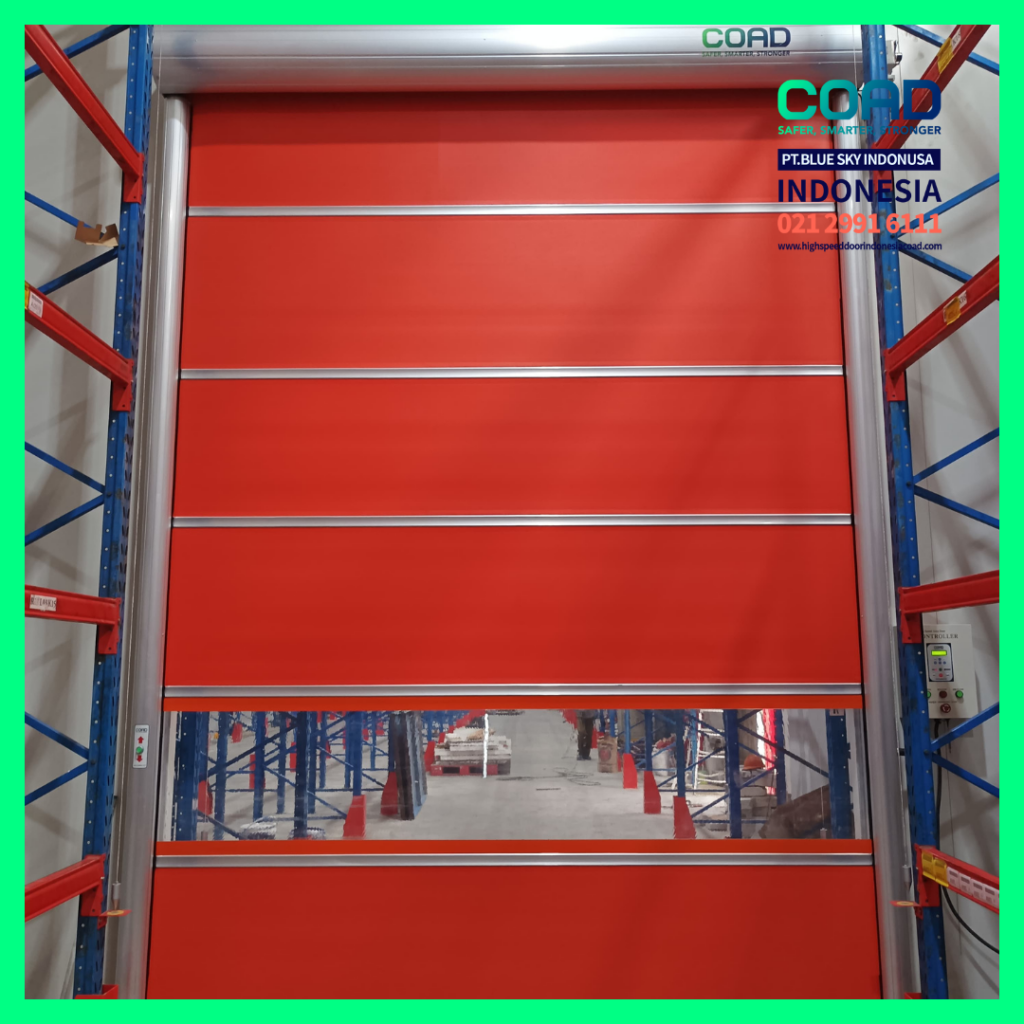
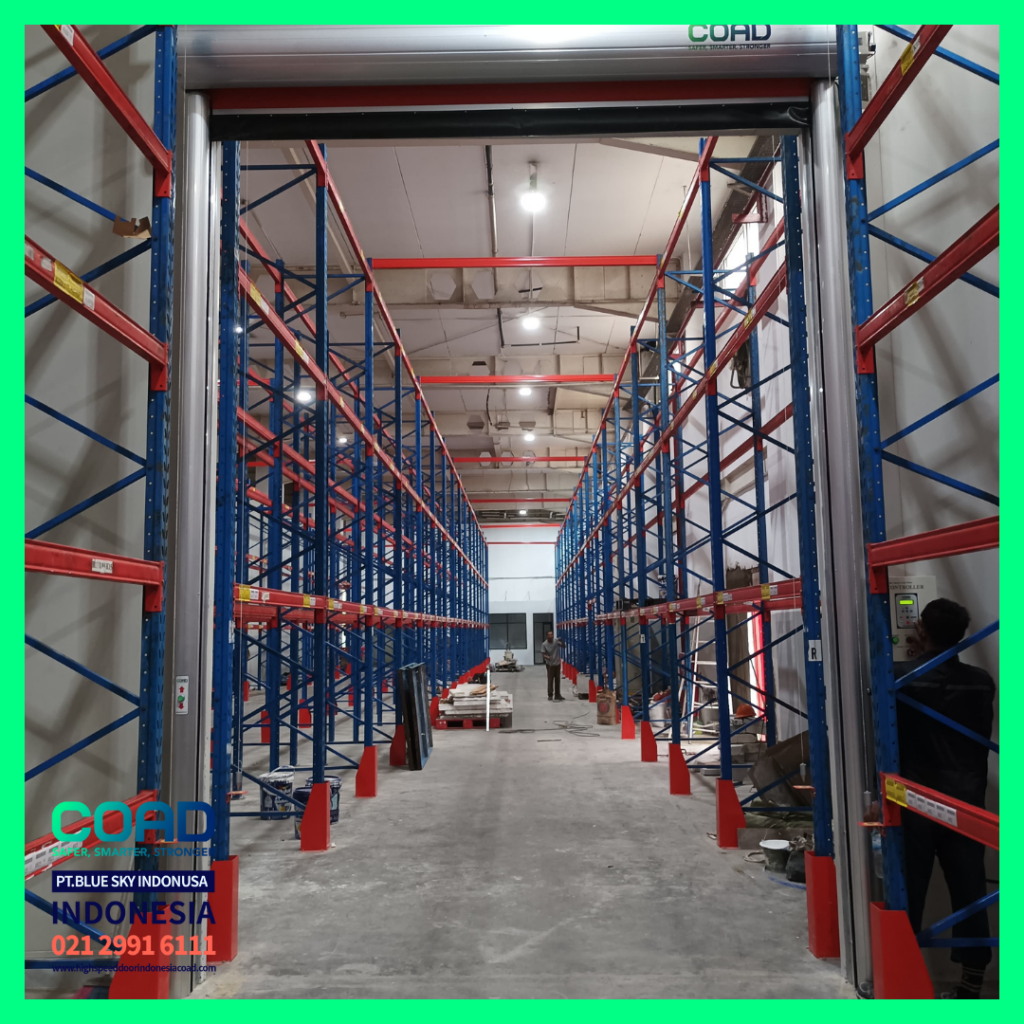
In today’s fast-paced market, the efficiency of the supply chain can make or break a business. A critical component often overlooked is warehousing. Effective warehousing plays a vital role in ensuring that products move smoothly from manufacturers to consumers. At COAD Indonesia, we understand the importance of optimized warehousing solutions to enhance your supply chain.
Benefits of Effective Warehousing
1. Improved Inventory Management
A well-organized warehouse allows for better tracking and management of inventory. By implementing advanced inventory management systems, businesses can minimize stockouts and overstock situations. This leads to improved cash flow and reduced carrying costs, ensuring that products are available when customers need them.
2. Enhanced Efficiency
Warehousing solutions that prioritize efficiency can significantly speed up order fulfillment. Streamlined processes, from receiving goods to picking and shipping orders, reduce lead times. This not only satisfies customer demands more quickly but also boosts overall operational productivity.
3. Increased Flexibility
In a dynamic market, flexibility is crucial. Effective warehousing allows businesses to adapt to changing demands, seasonal fluctuations, and unexpected disruptions. With the right warehousing strategy, companies can scale operations up or down with ease, ensuring they remain competitive.
Conclusion
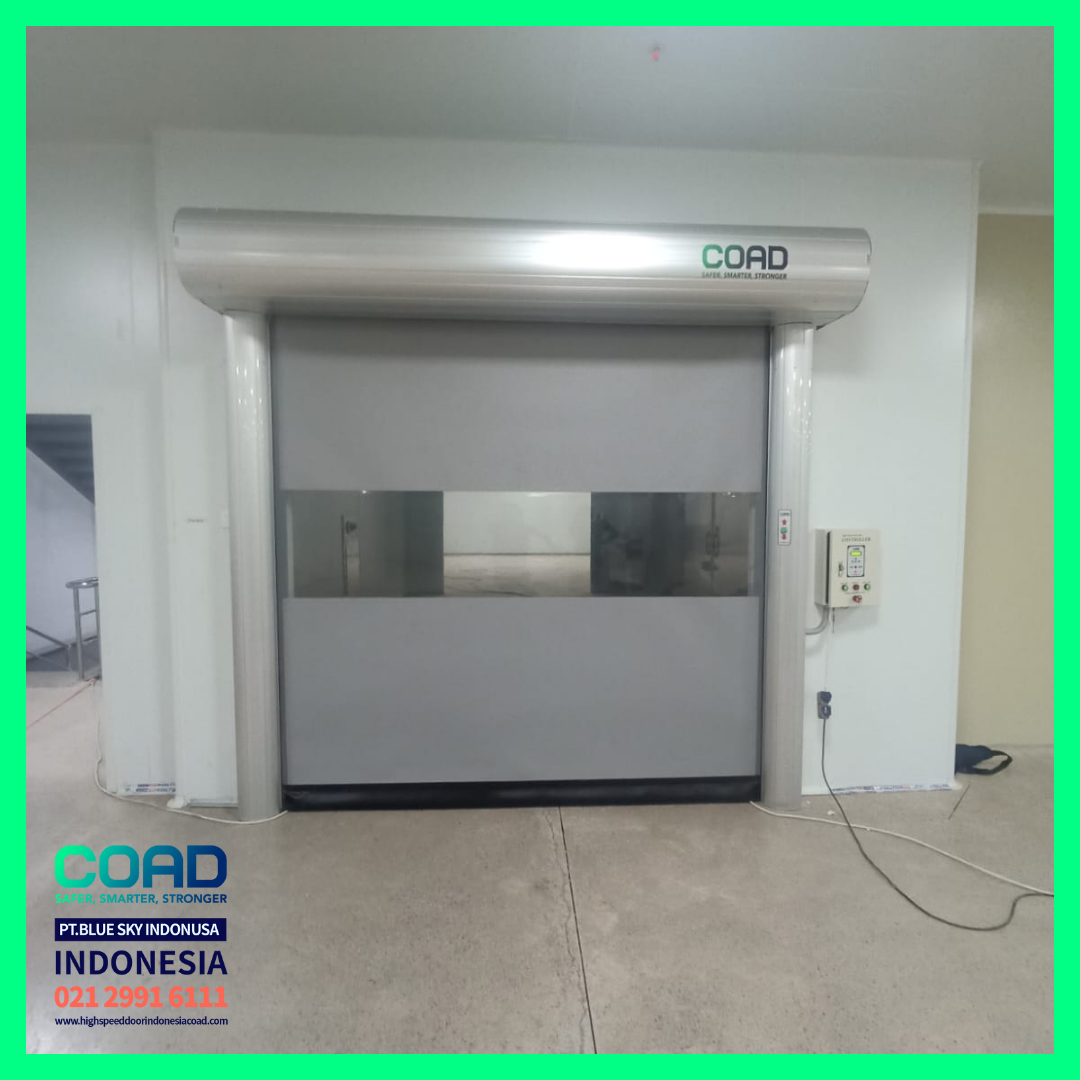
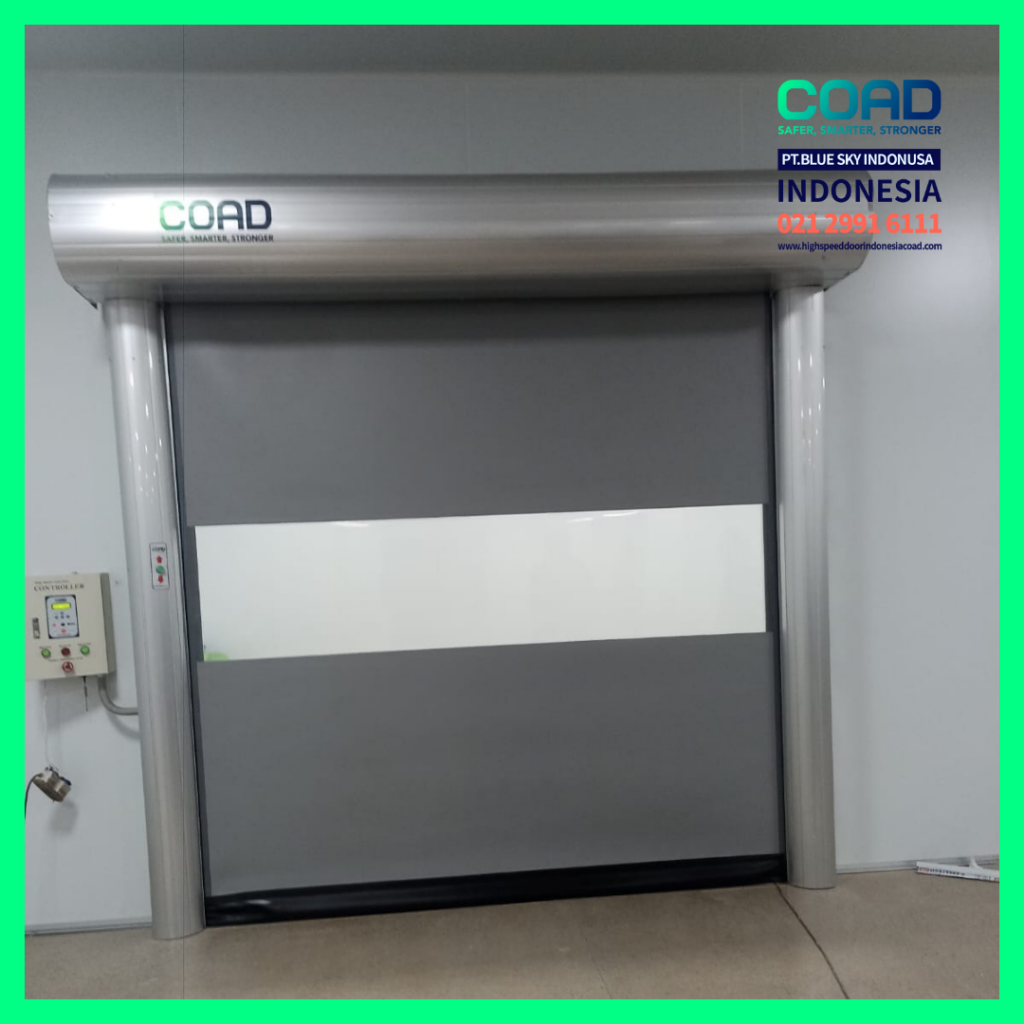
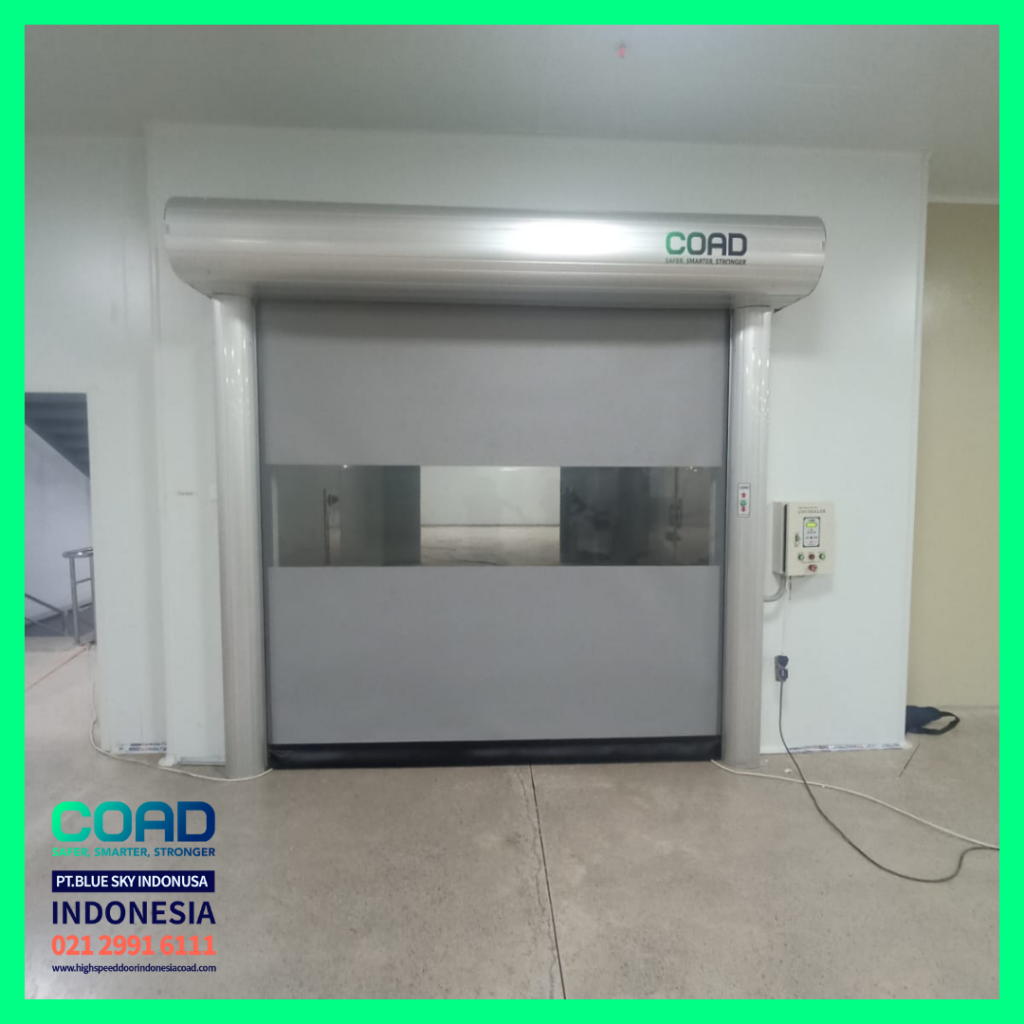
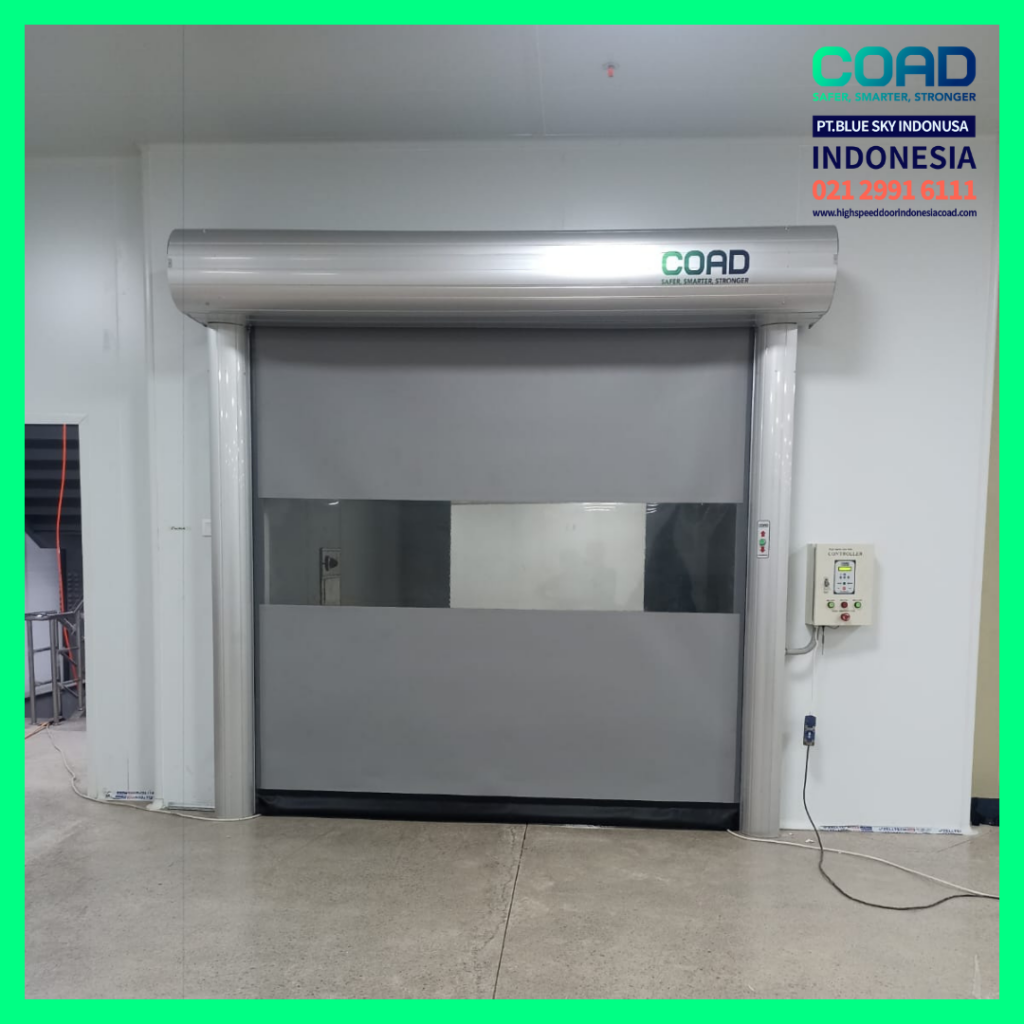
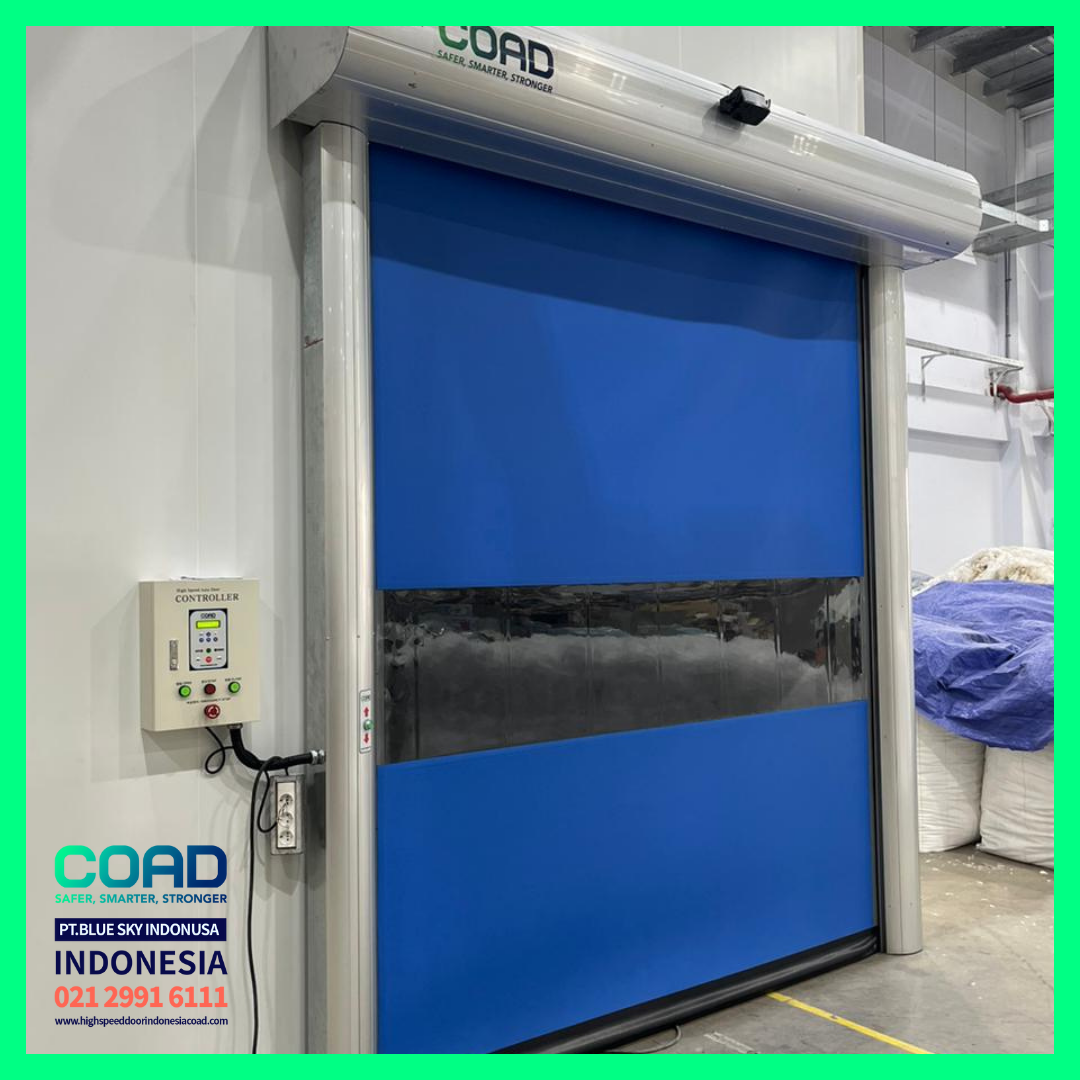
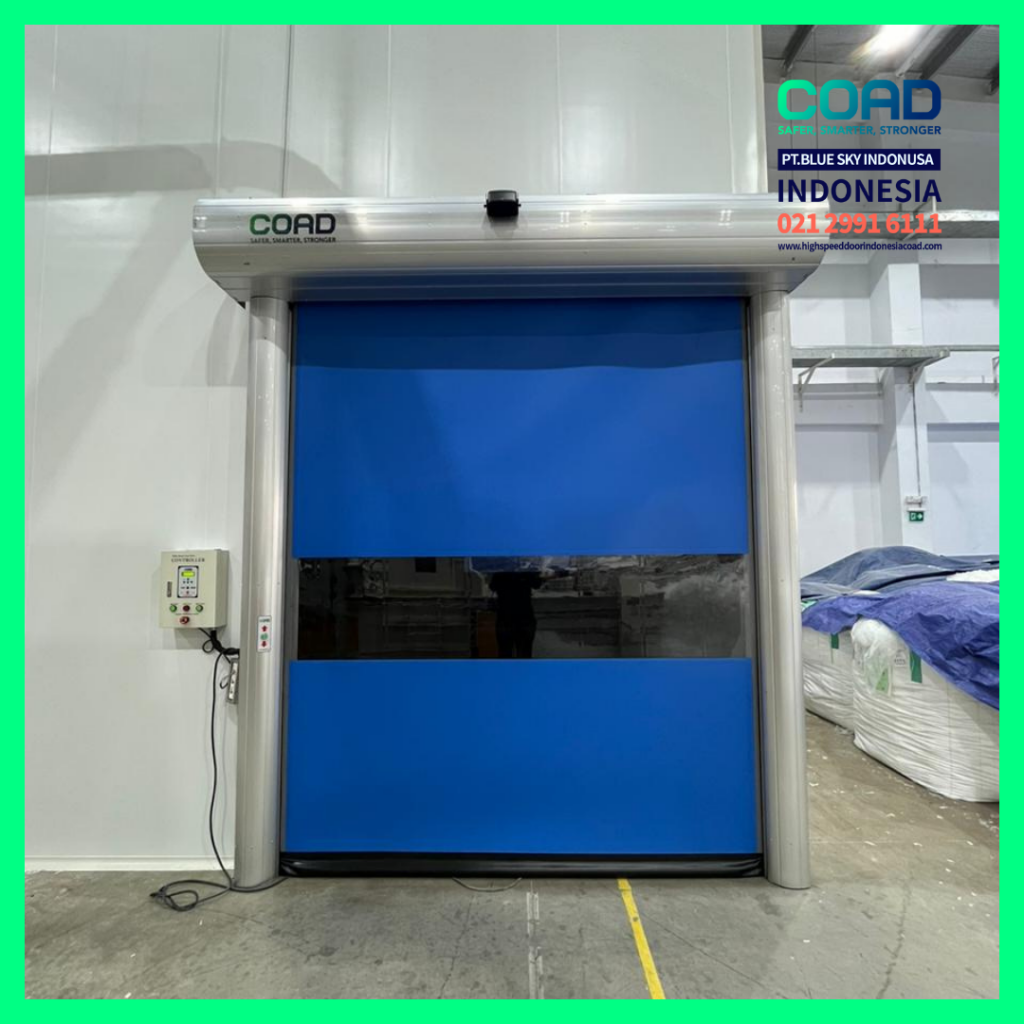
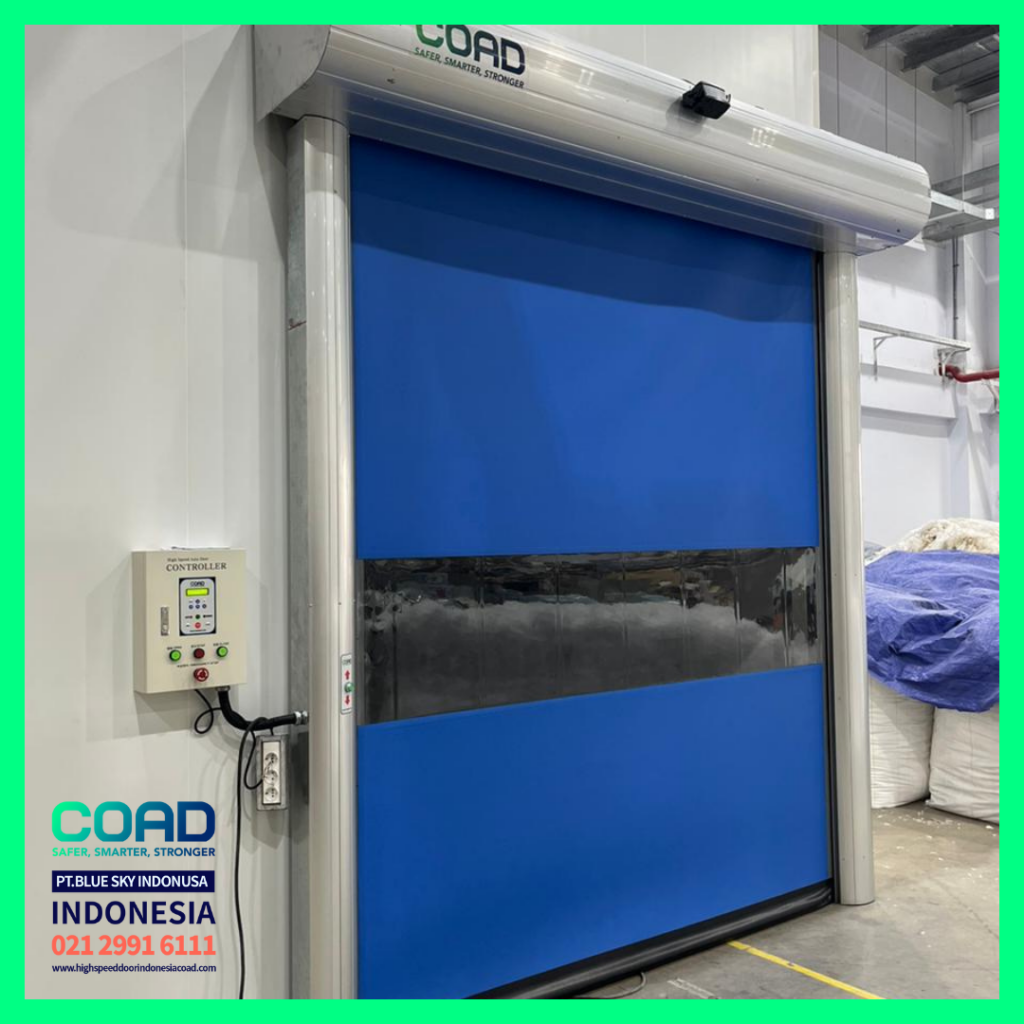
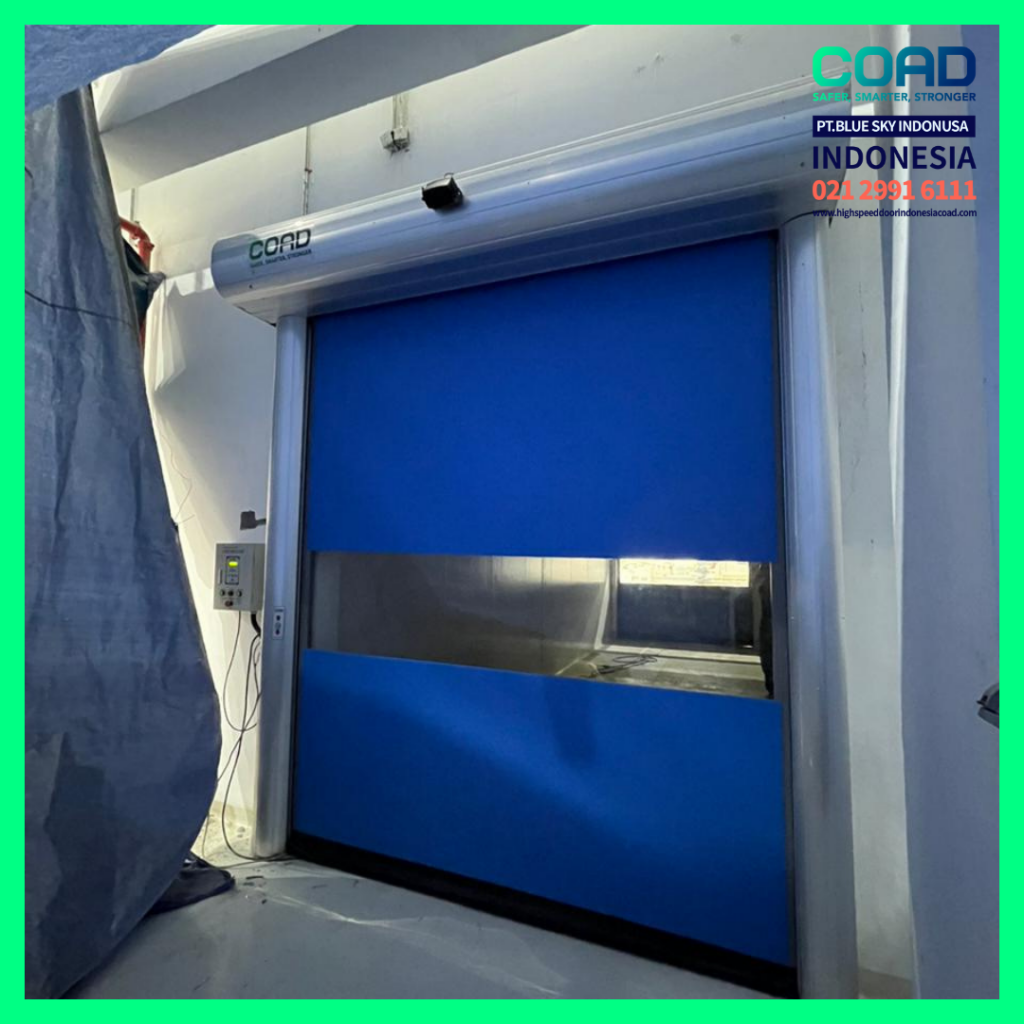
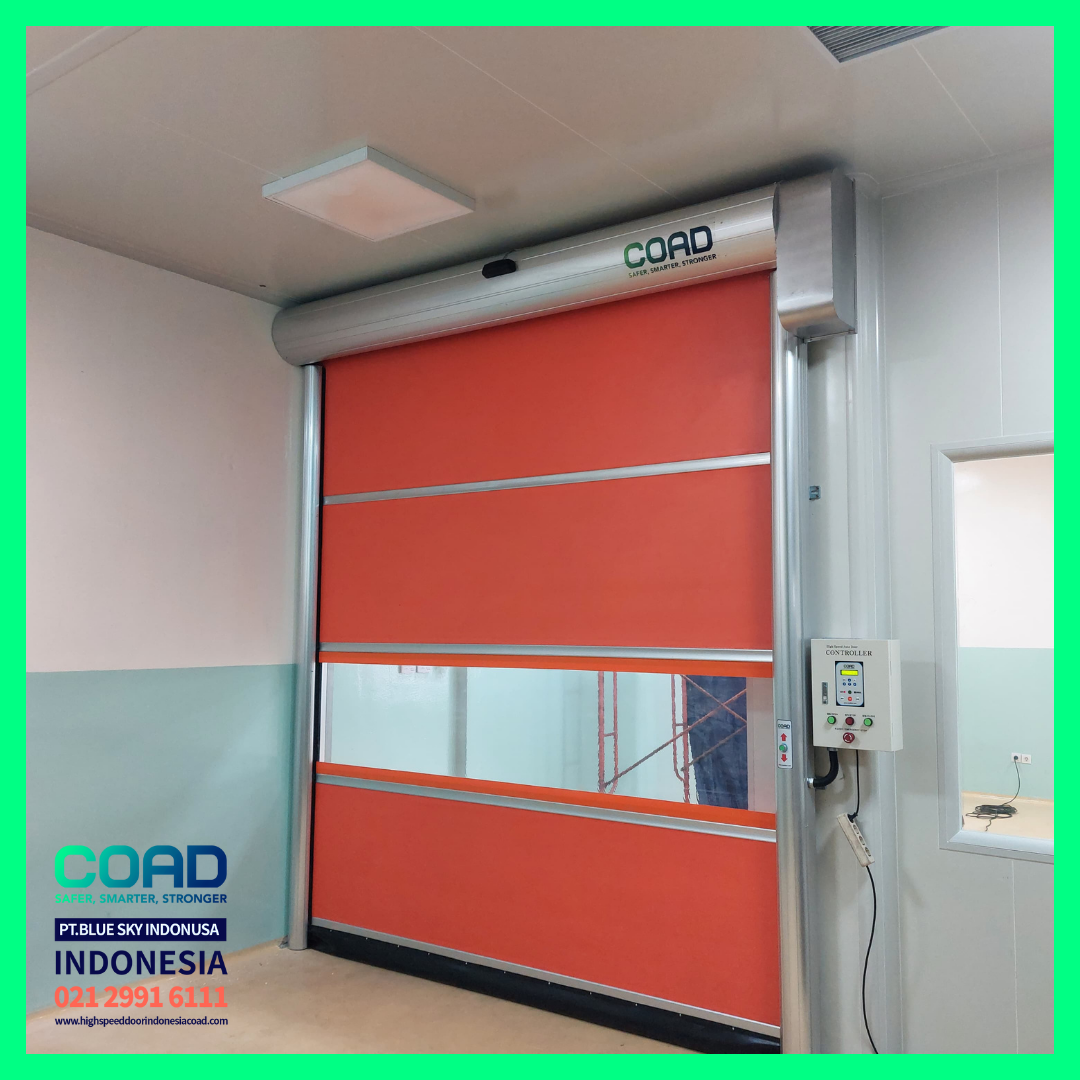
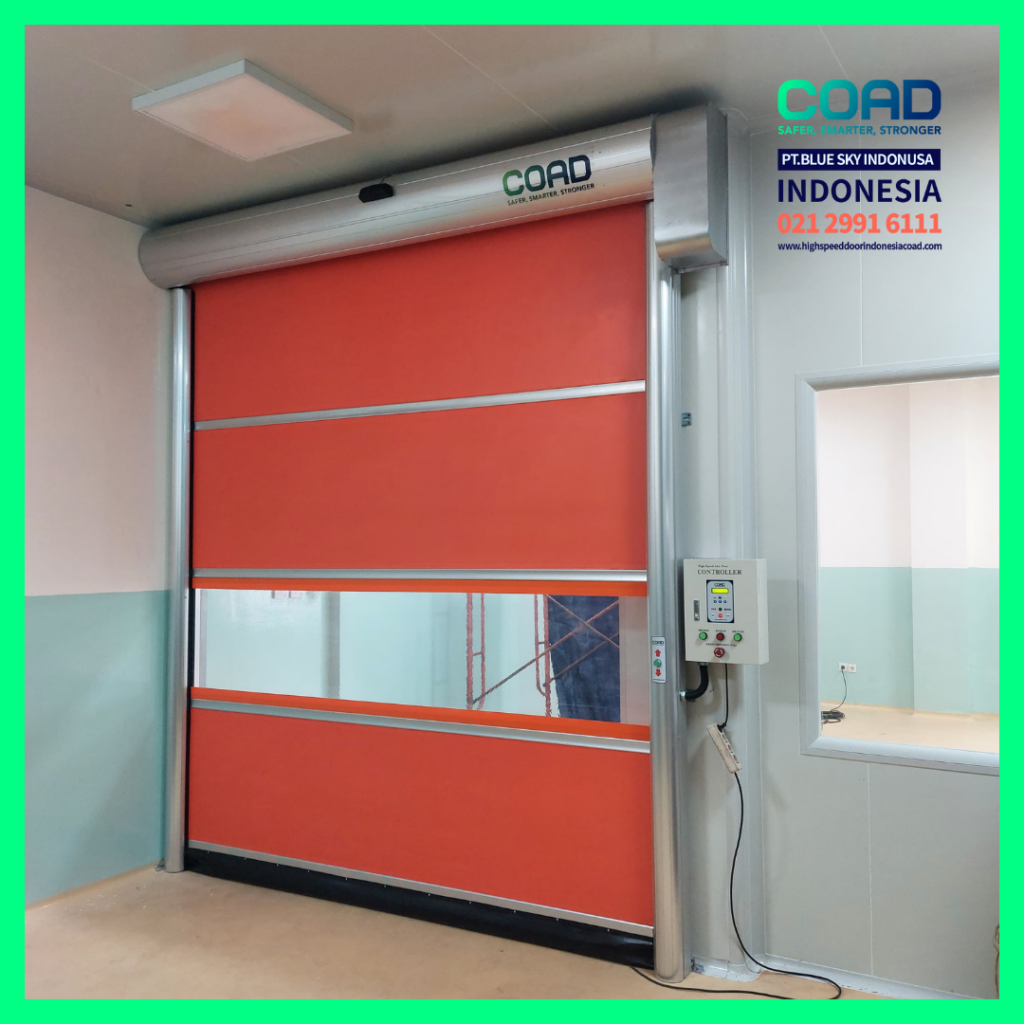
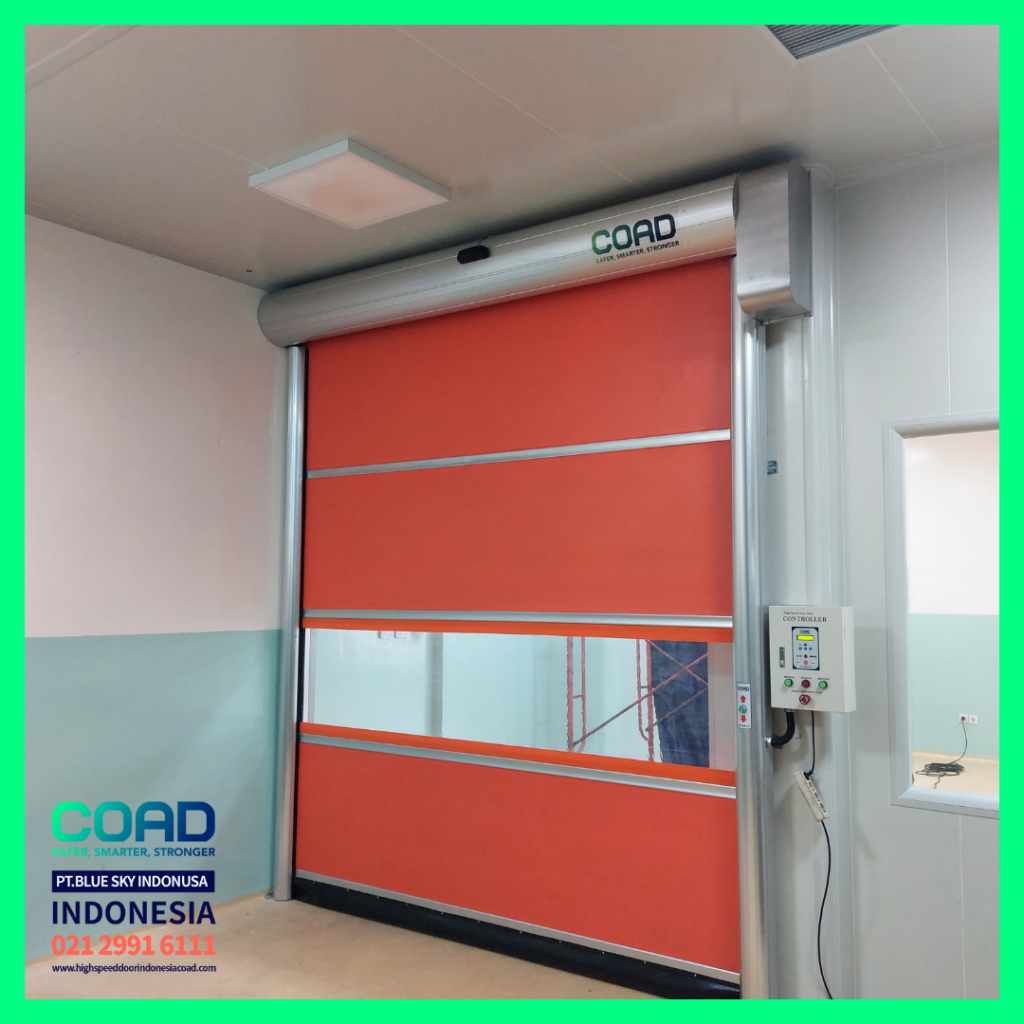
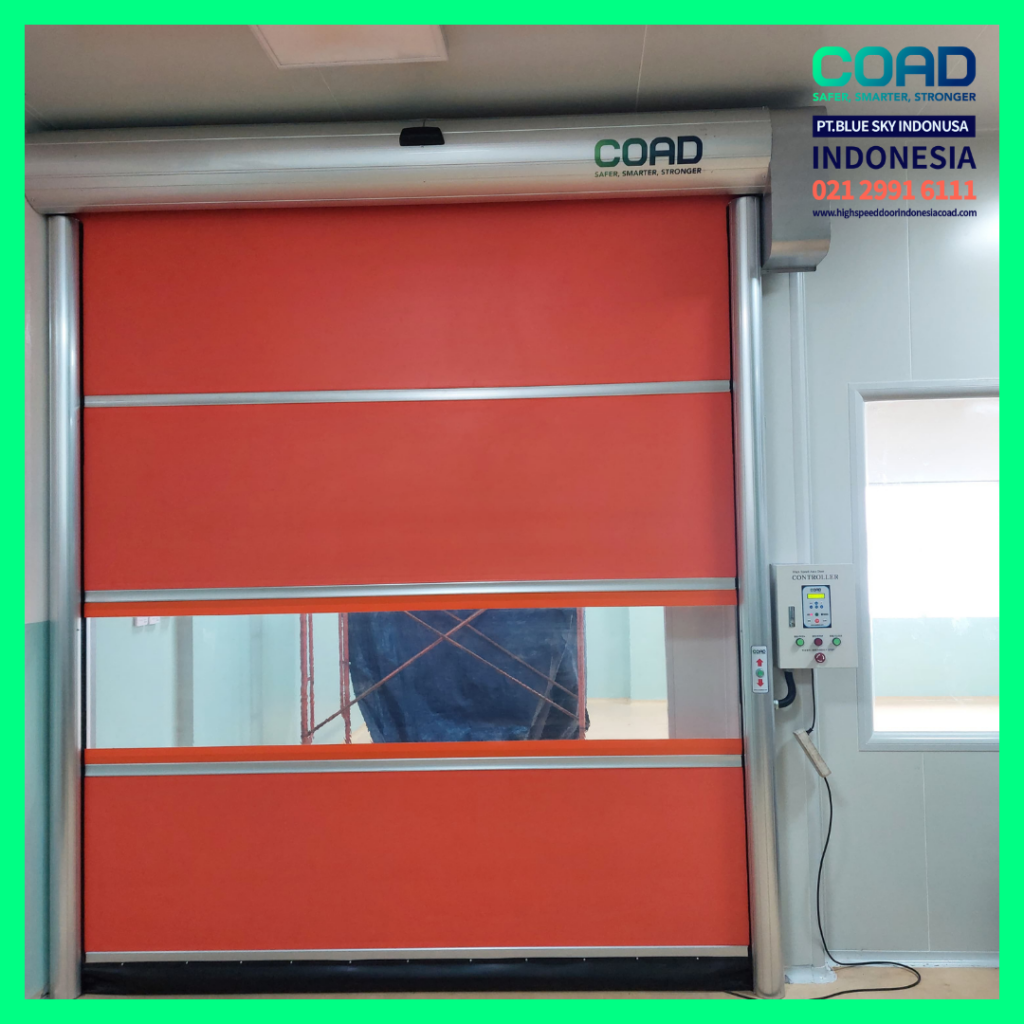
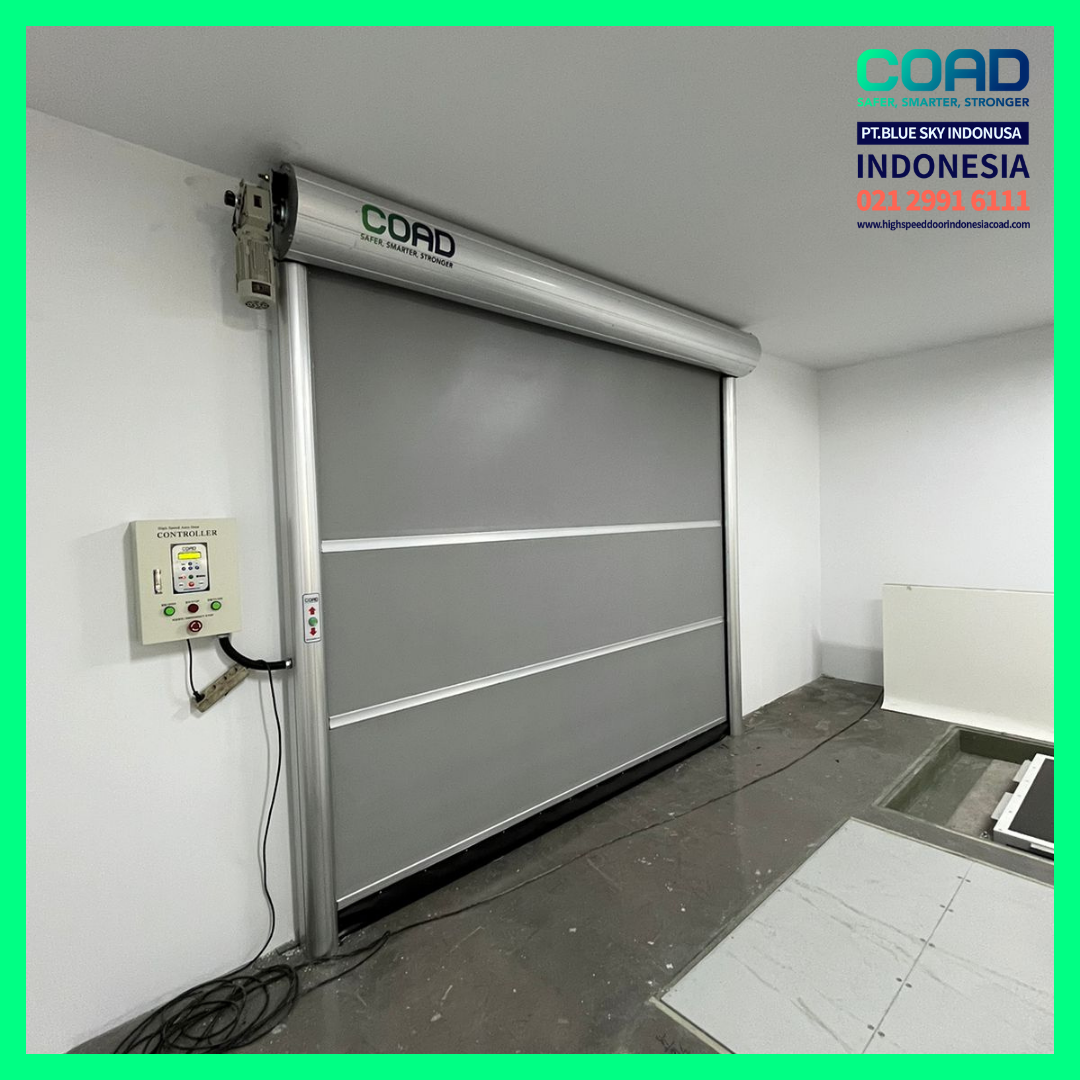
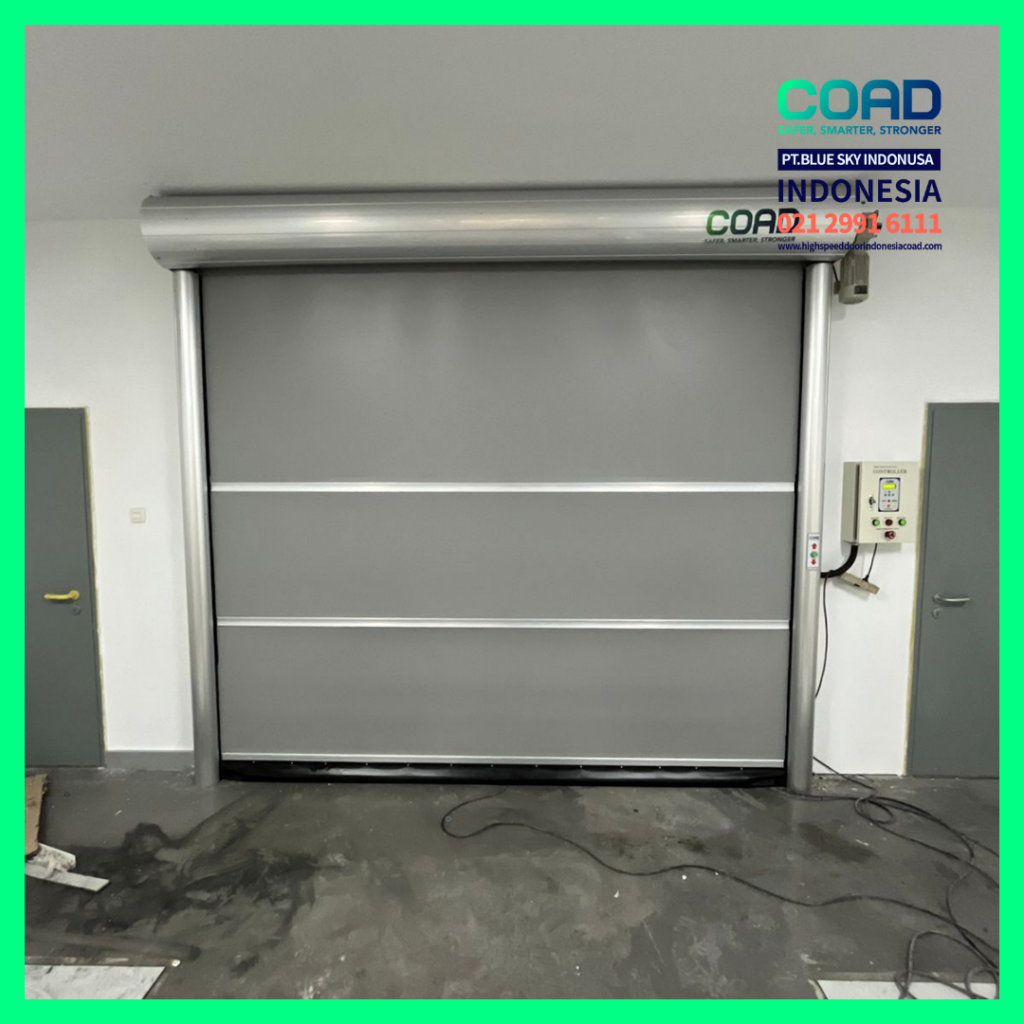
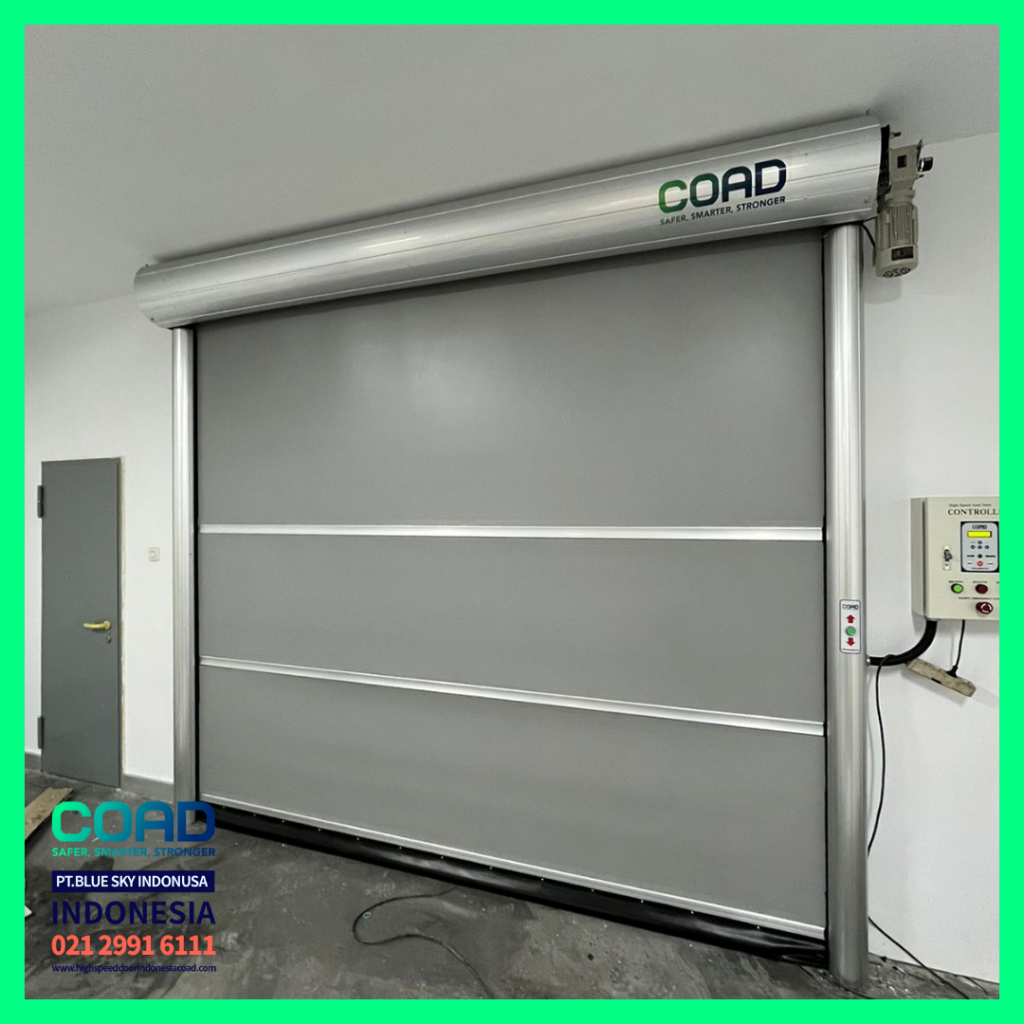
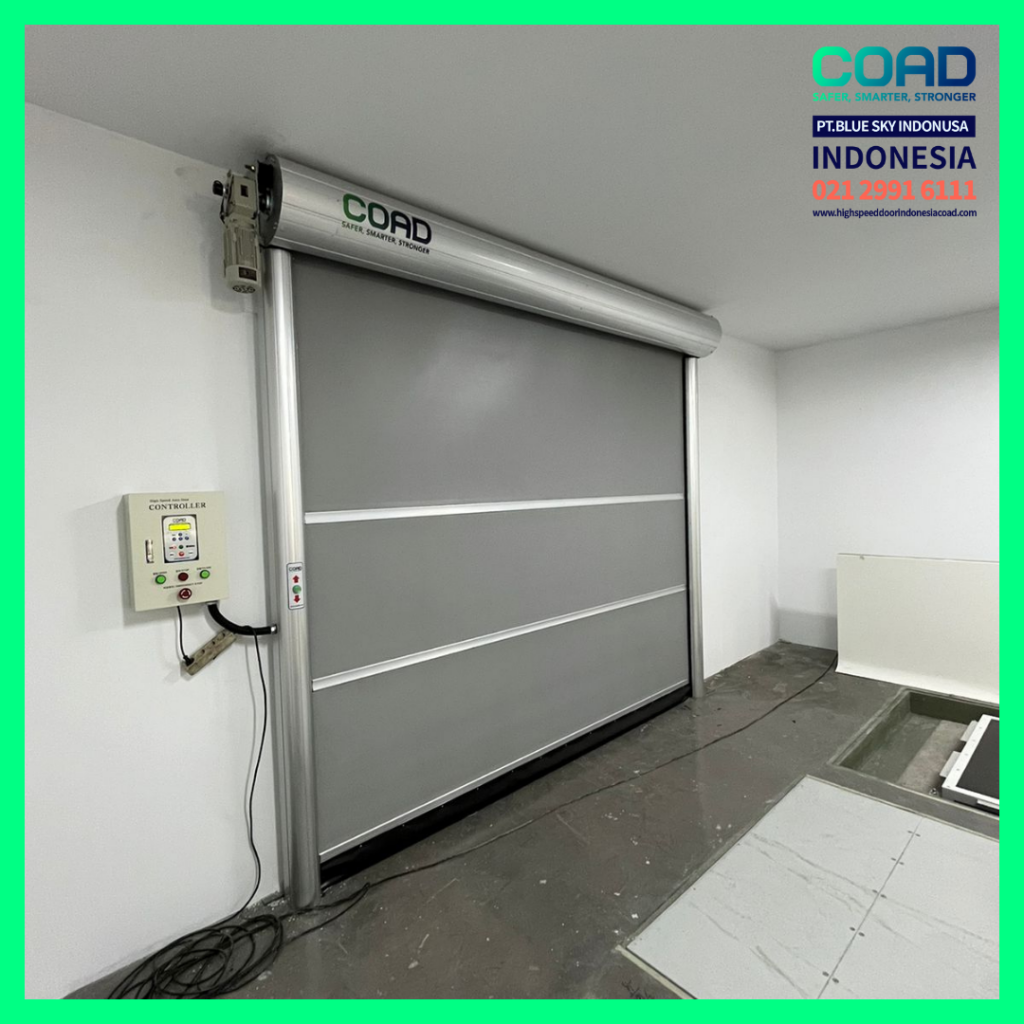
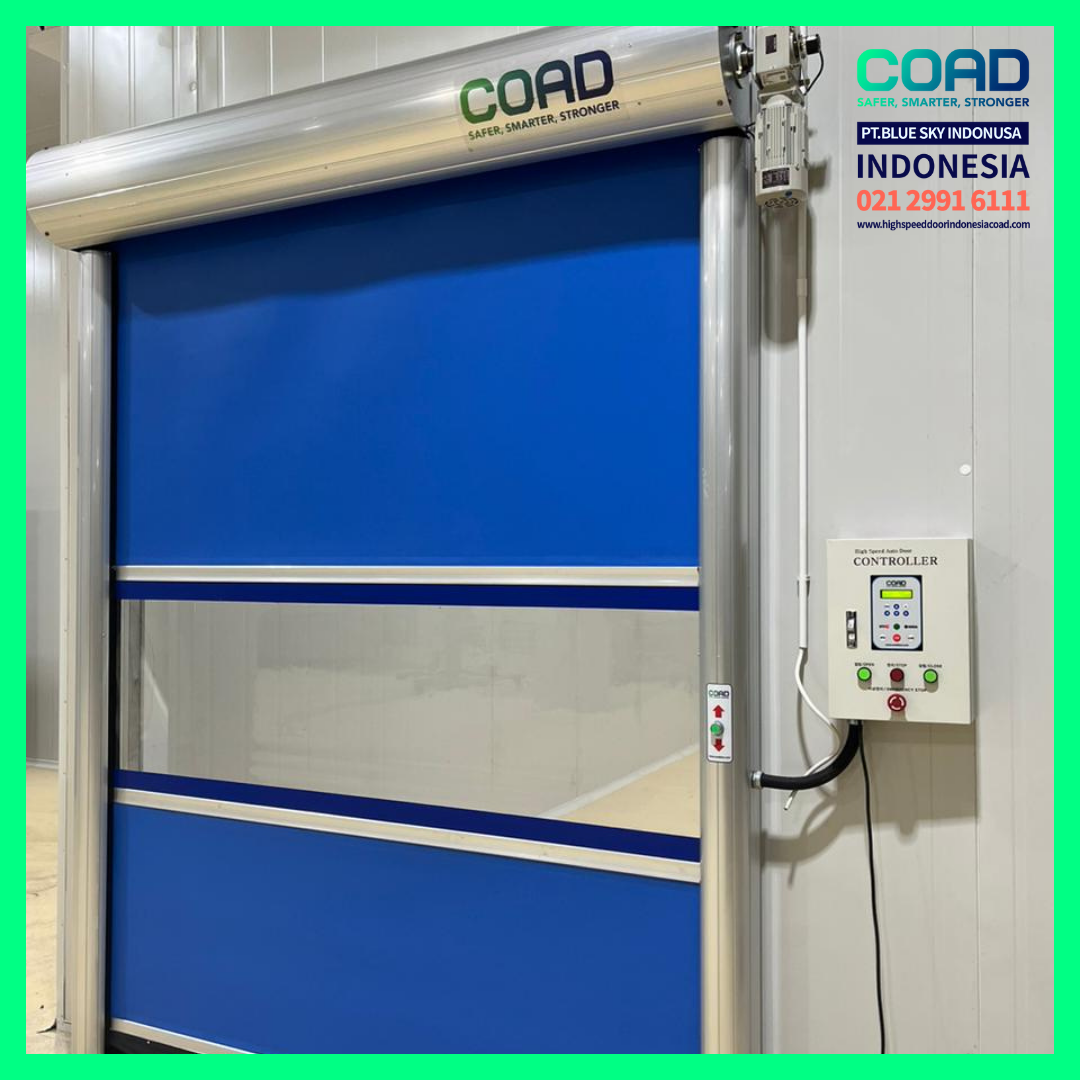
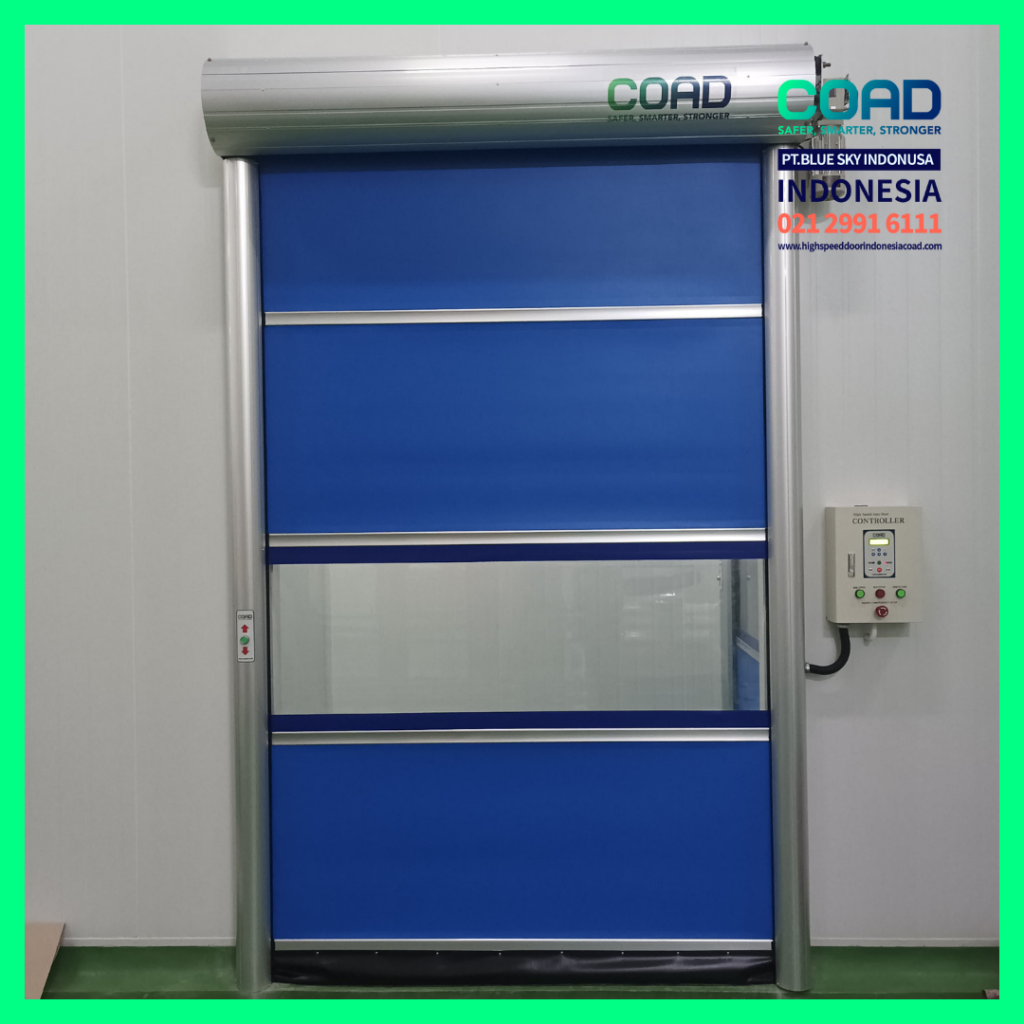
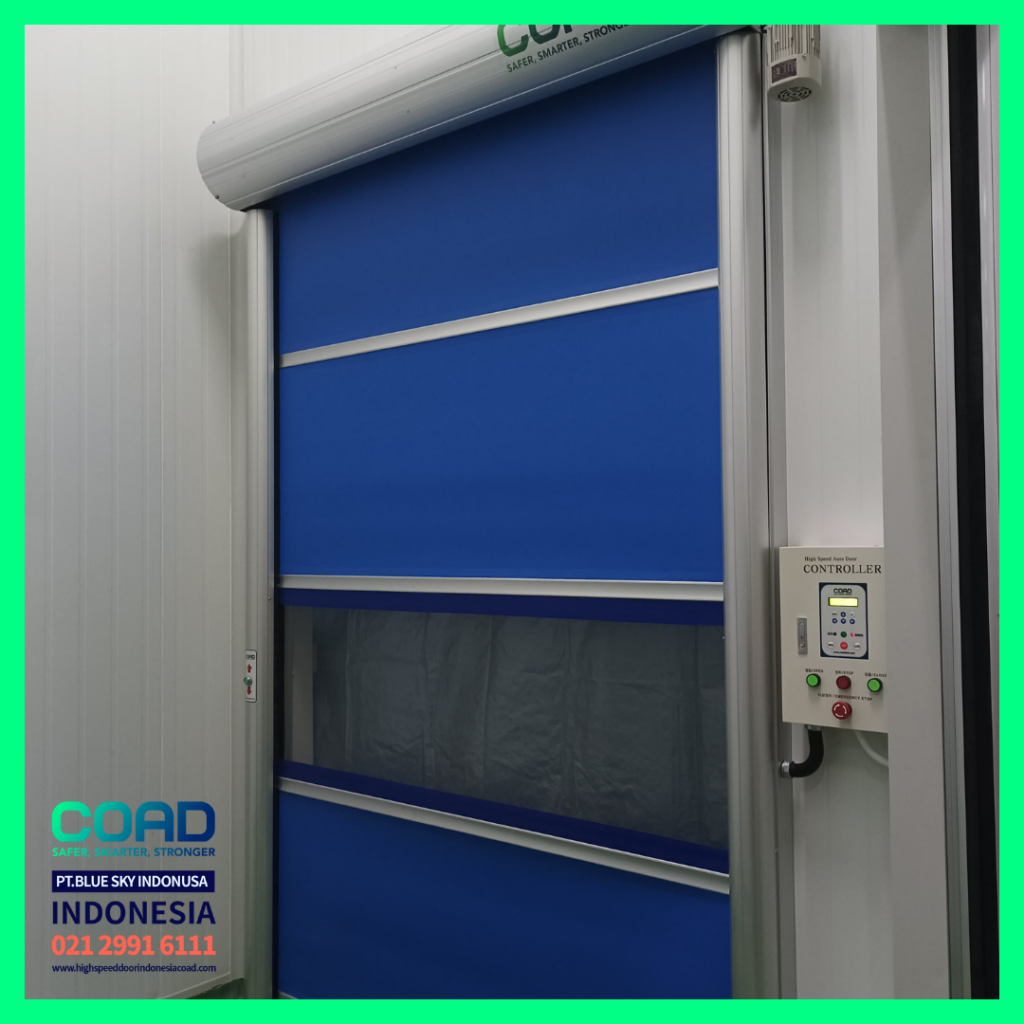
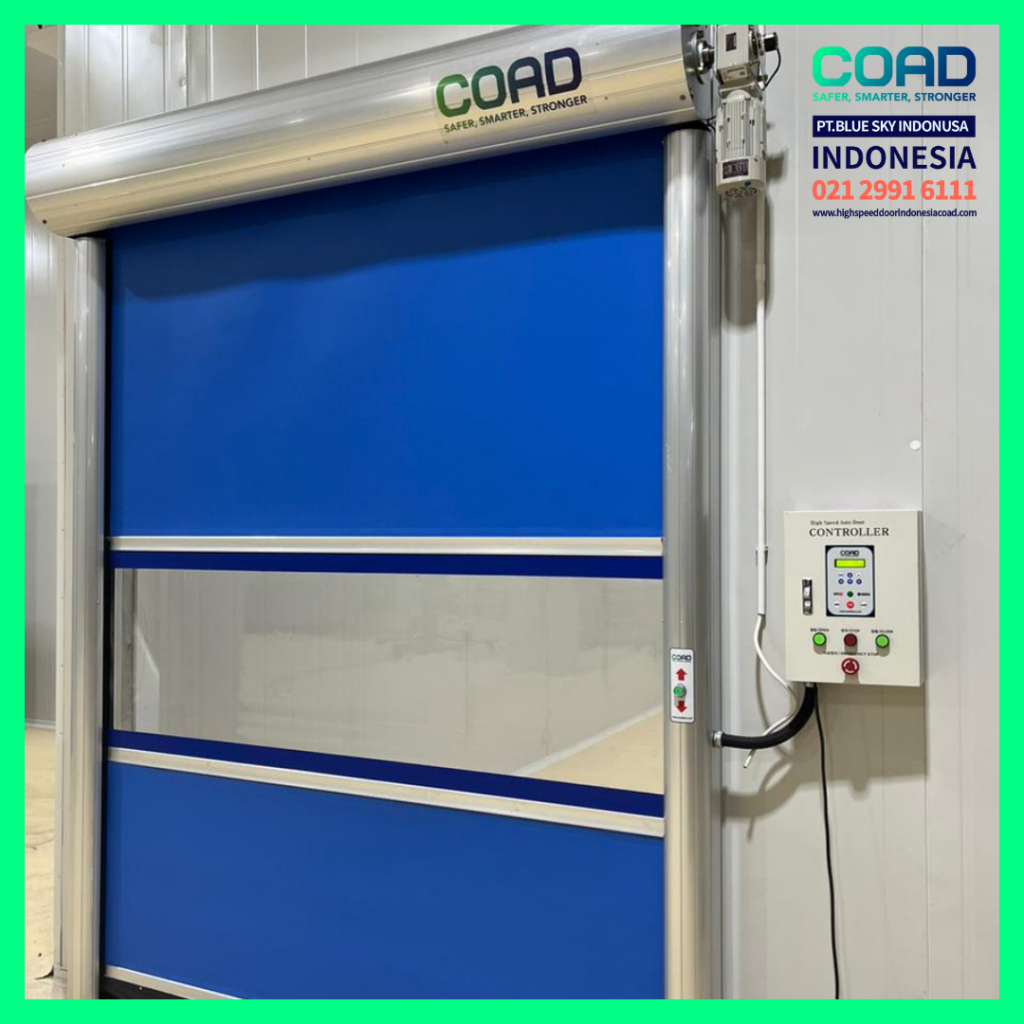
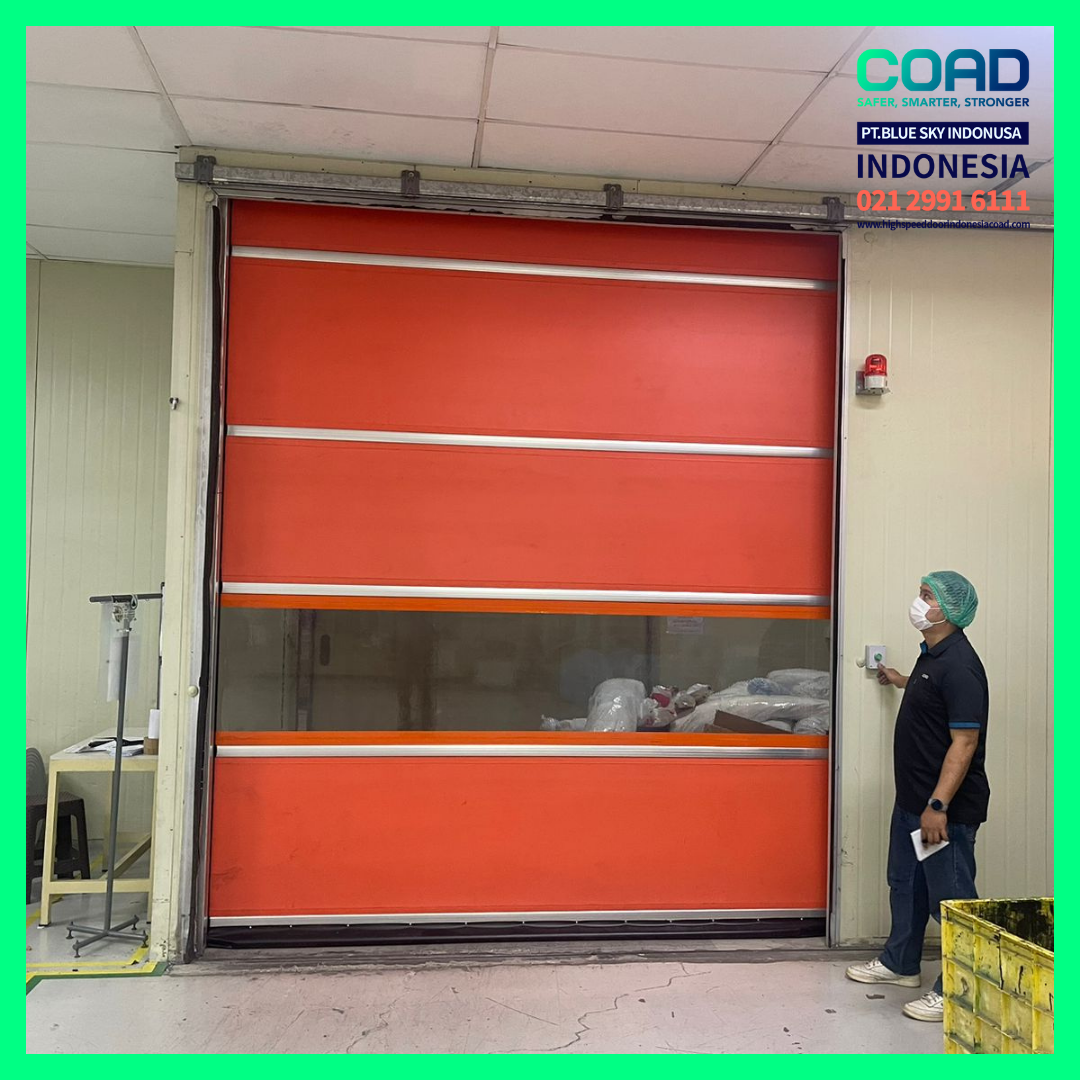
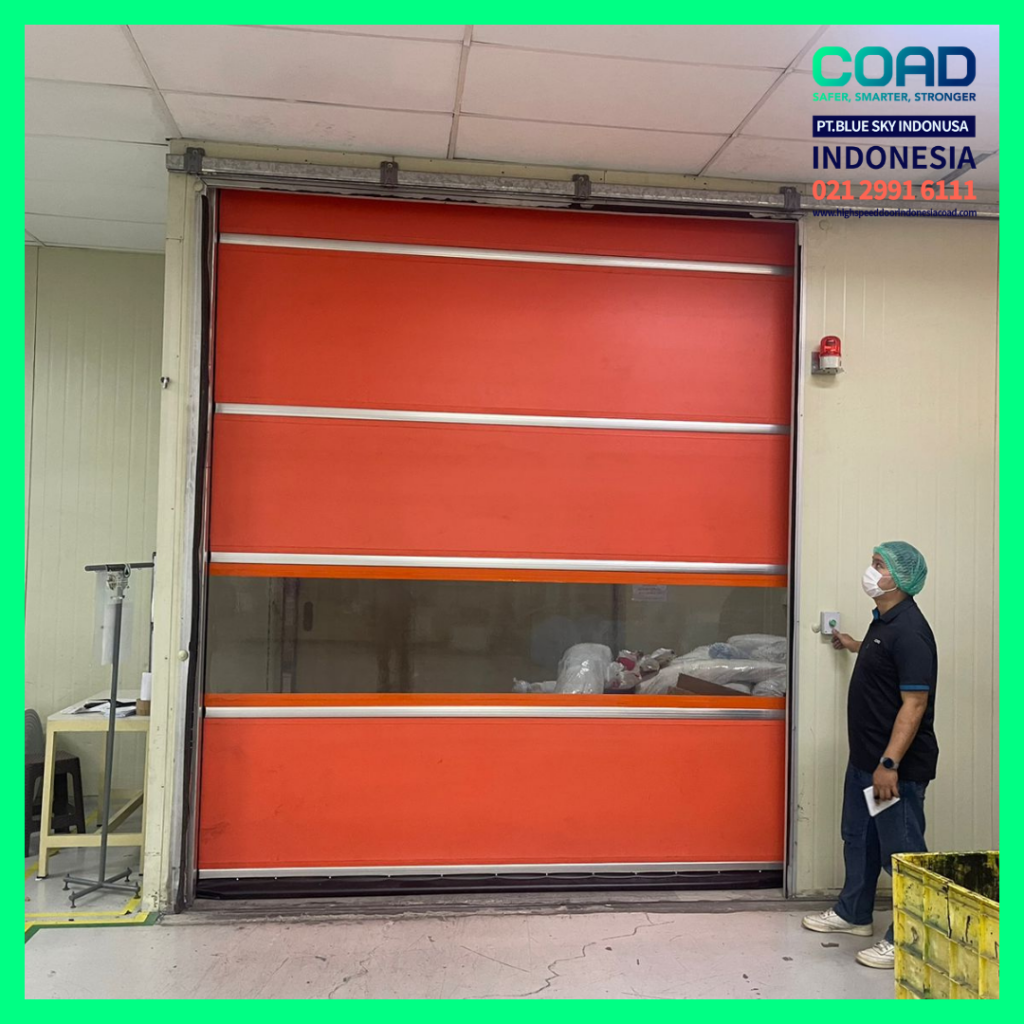
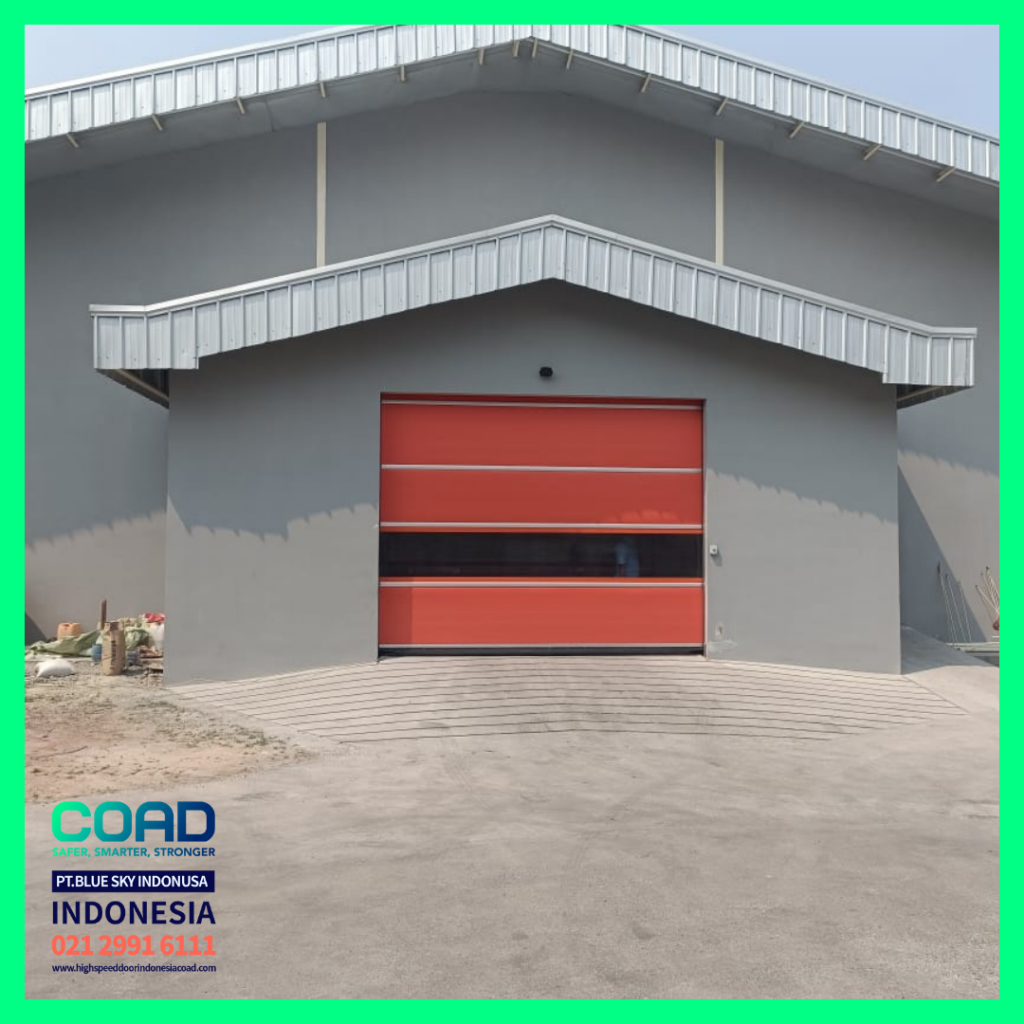
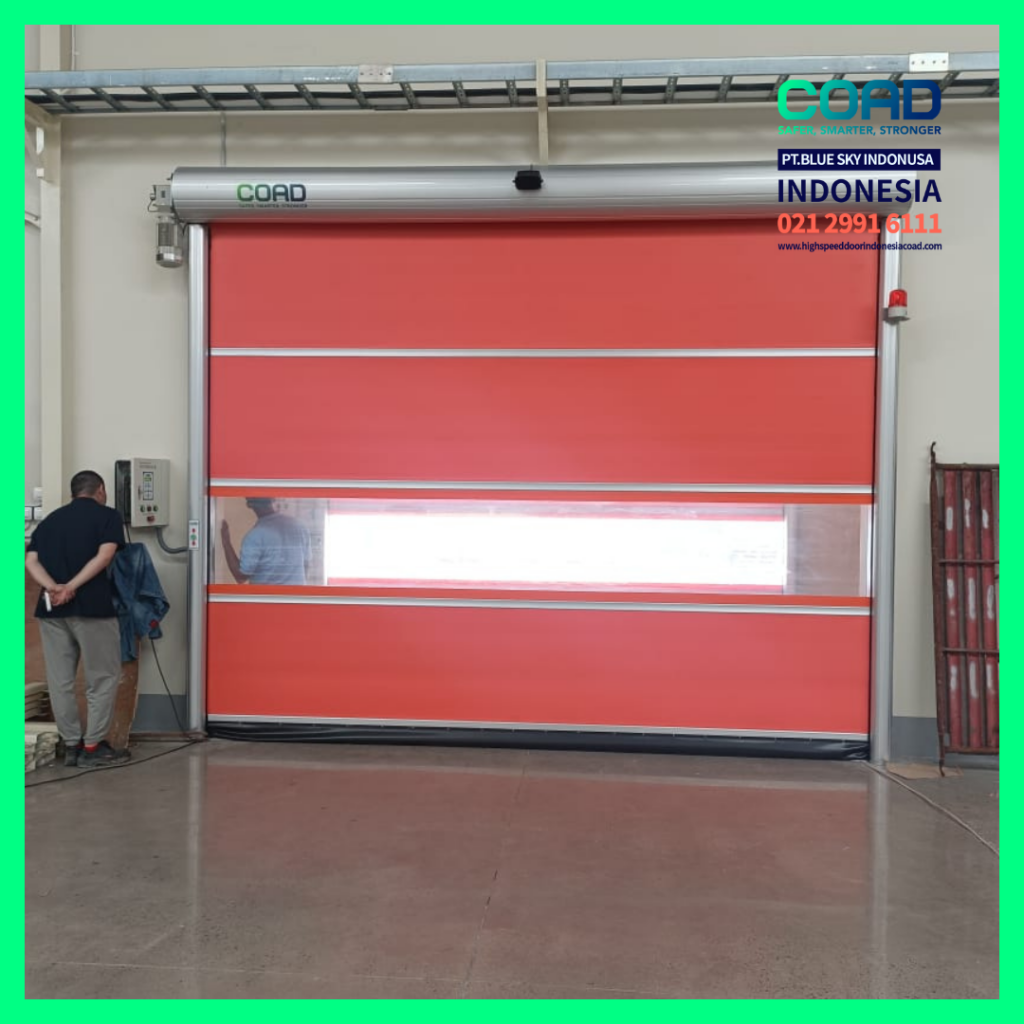
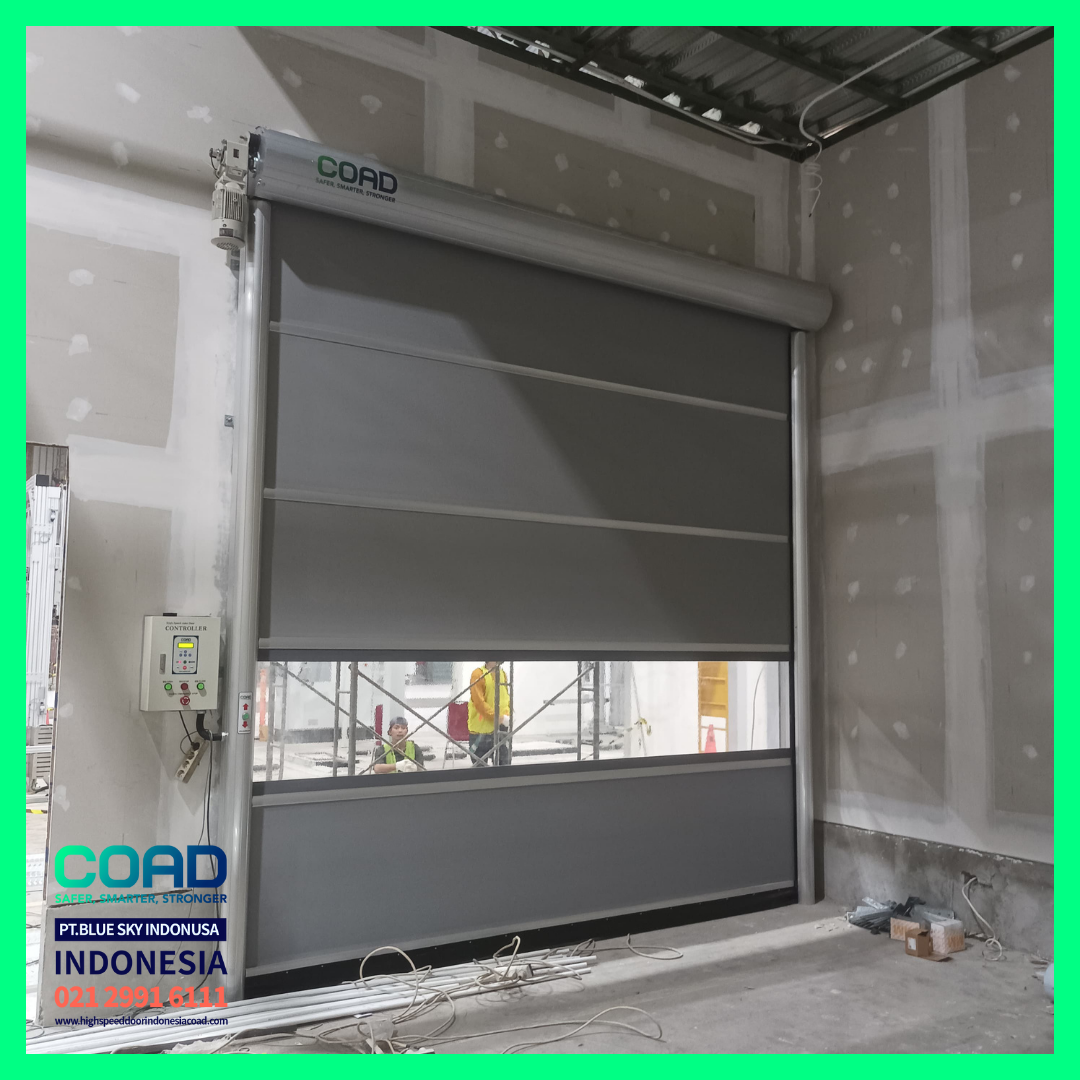
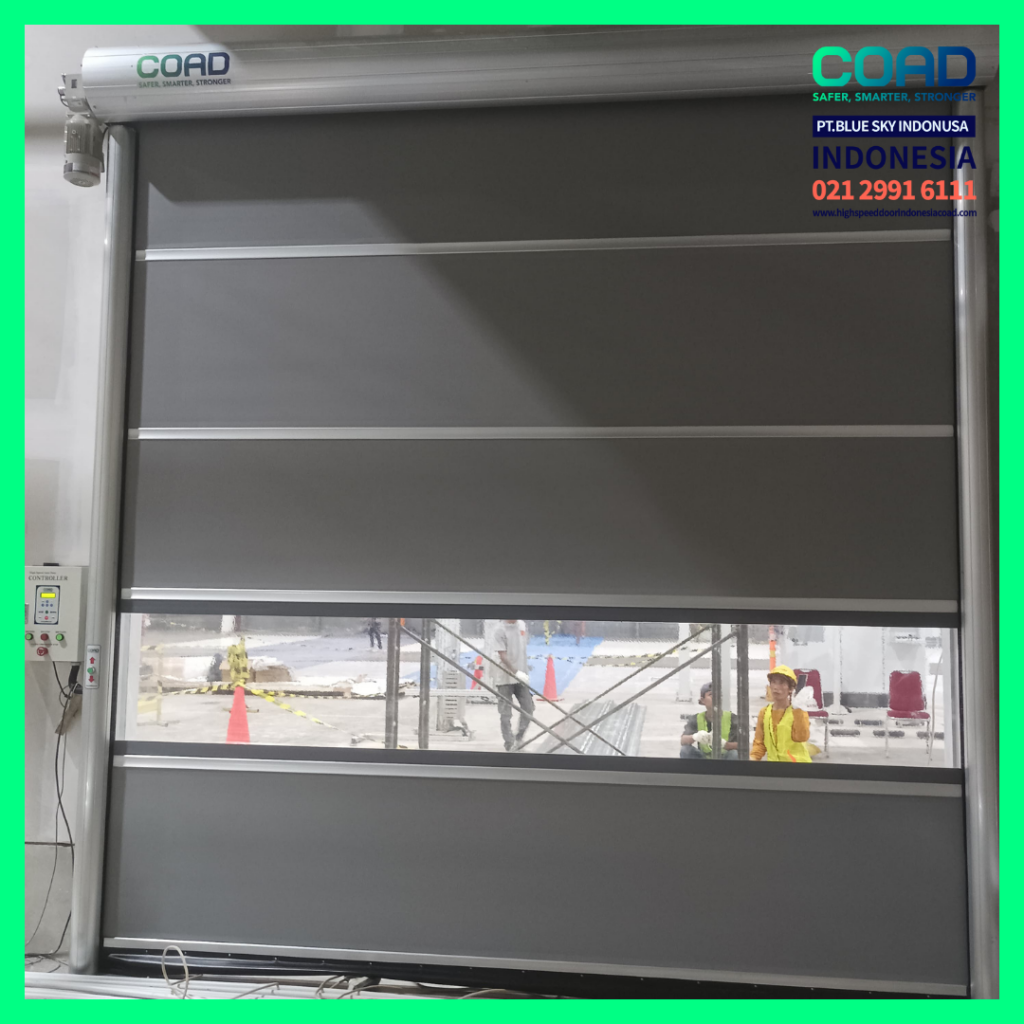
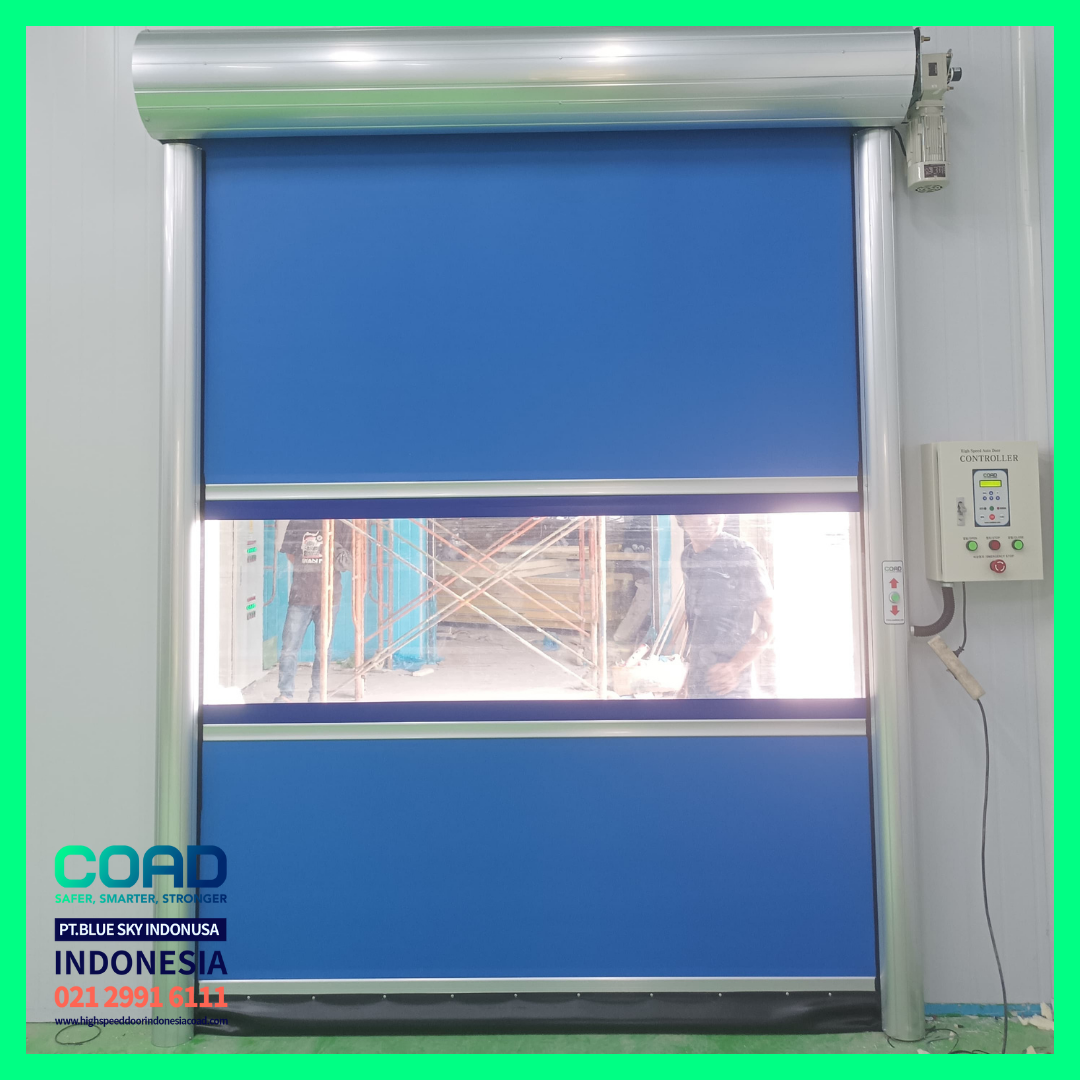
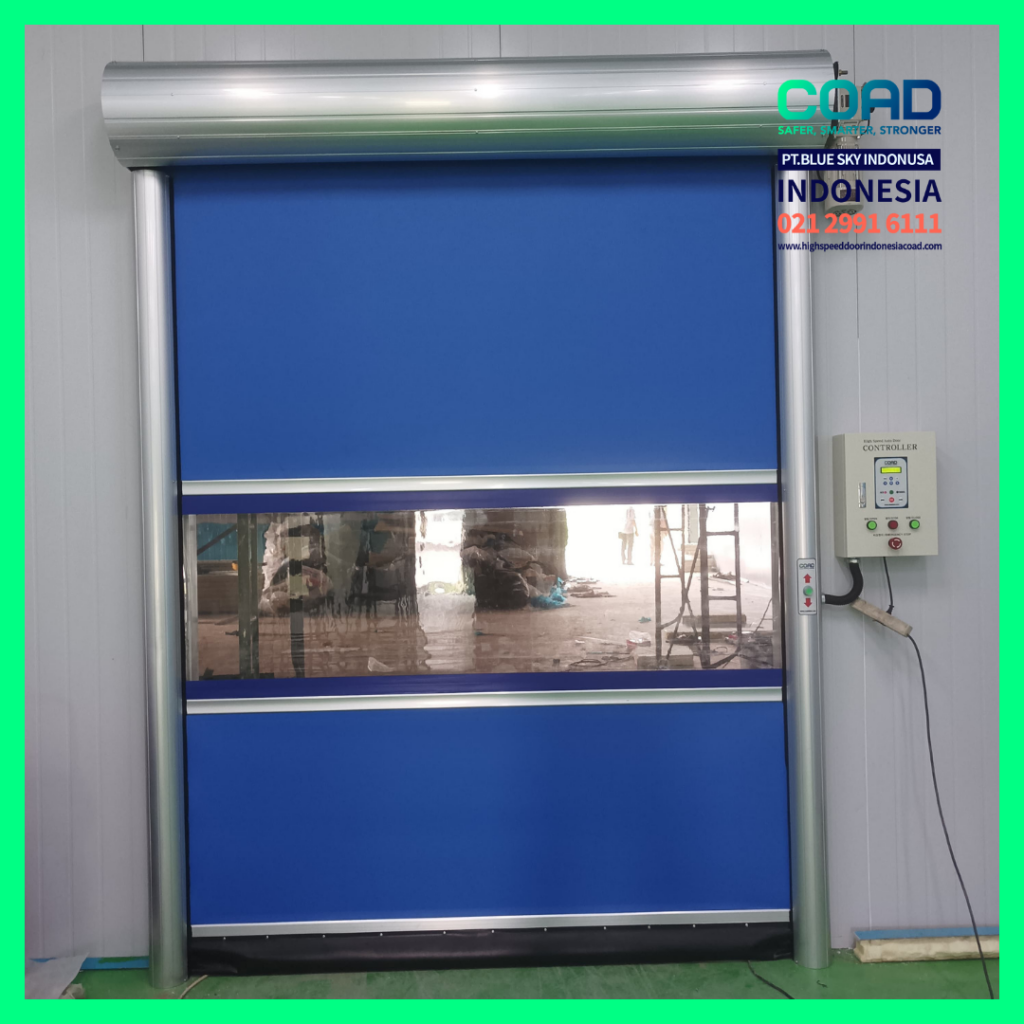
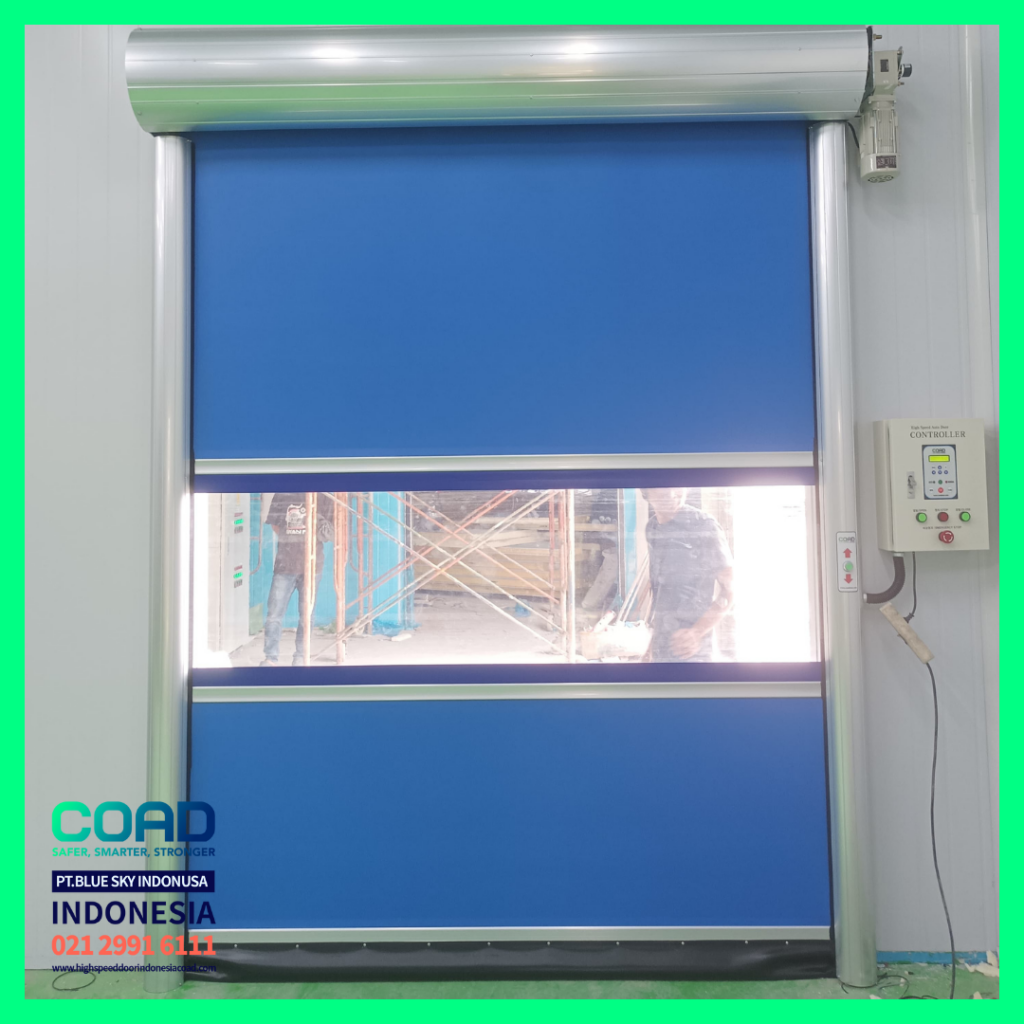
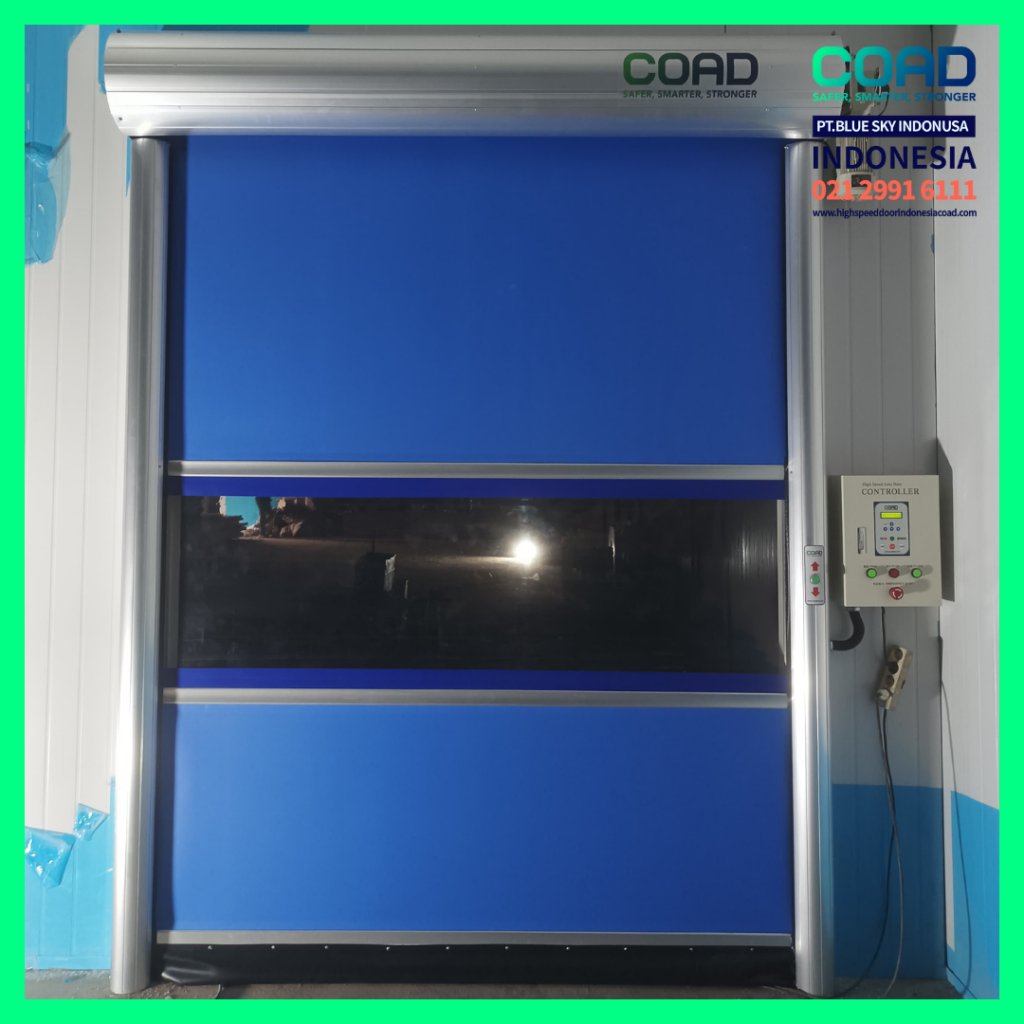
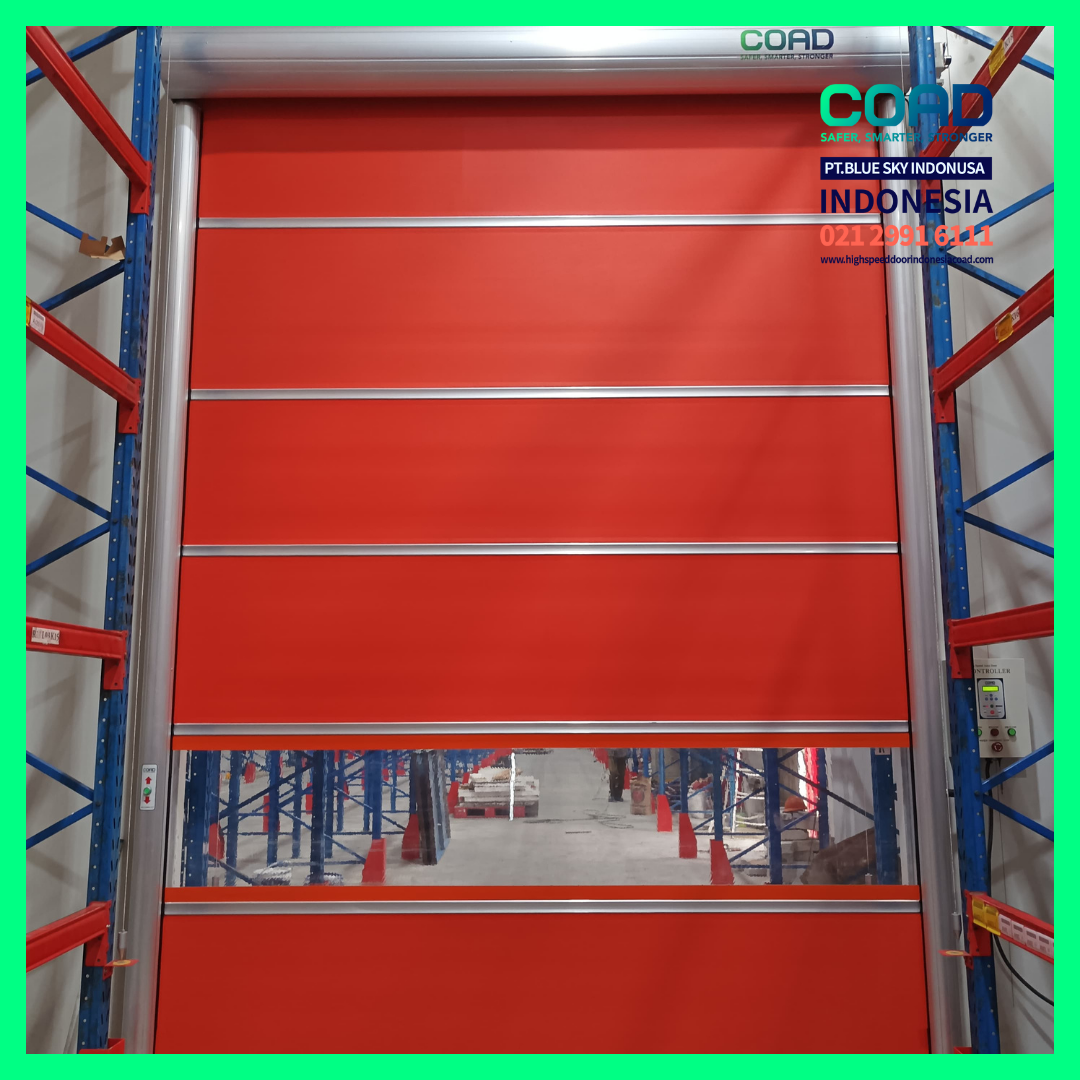
Investing in a robust warehousing strategy is essential for optimizing your supply chain. At COAD Indonesia, we provide great access with high speed door for warehousing, tailored to meet your business needs.
Don’t wait to enhance your supply chain efficiency! Contact COAD Indonesia today and discover how our door solutions can transform your operations and drive your business forward. Your success is our priority!
COAD Indonesia
Call center:
+62 21 299-16111
WhatsApp:
(Sales 1) 0816-1717-6440
(Sales 2) 0855-1051-095
(Sales 3) 0812-1110-2255
Email: mkt@coad.co.id
Address: The Bellezza Shopping Arcade Unit 270 Lt 2
Jl. Letjen Soepono No. 34, Arteri Permata Hijau Jakarta 12210 Indonesia
Infrastructure is crucial for success in manufacturing. It provides the necessary framework for smooth operations, which directly impacts efficiency and productivity. When a facility has the right infrastructure, it can run more effectively and increase profitability. This means less wasted time and resources, allowing manufacturers to focus on producing quality products.
Supporting Advanced Machinery
A strong infrastructure supports advanced machinery and tools. These machines are essential for optimizing production processes. With the right setup, manufacturers can reduce bottlenecks and minimize downtime, which are key to maintaining a steady output. For example, having an efficient layout allows materials to flow easily between different areas of the facility. This minimizes unnecessary movement and delays, making the entire operation run more smoothly.
Enhancing Safety and Compliance
Infrastructure also plays a vital role in ensuring safety and compliance. Well-maintained facilities with proper safety measures help prevent accidents and ensure that all regulations are met. A safe workplace protects employees and improves the company’s reputation. When workers feel safe, they are generally more productive and less likely to suffer from injuries. This creates a positive work environment that benefits everyone.
Improving Supply Chain Management
Another important aspect of infrastructure is its impact on supply chain management. A well-located facility with efficient logistics can significantly reduce transportation costs and improve delivery times. In today’s fast-paced market, timely deliveries are crucial for keeping customers satisfied. A well-organized facility ensures that raw materials and finished products move smoothly, helping manufacturers meet customer demands quickly and effectively.
Long-Term Cost Savings
Investing in infrastructure can lead to significant long-term cost savings. By upgrading to modern equipment and improving facilities, manufacturers can lower energy consumption and reduce maintenance costs. For instance, energy-efficient machines not only help cut expenses but also align with sustainability goals, which are increasingly important to consumers today. This kind of investment pays off over time, leading to a healthier bottom line.
The Role of High-Speed Doors
High-speed doors are an essential part of effective manufacturing infrastructure. These doors allow quick access between different areas of a facility, which speeds up the movement of goods and personnel. By reducing the time it takes to open and close doors, manufacturers can maintain a smooth workflow. Additionally, high-speed doors help control temperature, which is vital for certain products. This not only saves energy but also ensures that goods are stored in optimal conditions.
COAD Indonesia: Your Partner in Infrastructure
At COAD Indonesia, we provide high-speed doors specifically designed for manufacturing environments. Our products are built to enhance efficiency in your operations. Our team of skilled technicians is available to consult on maintenance, ensuring that your high-speed doors function smoothly and reliably. We also maintain a ready stock of imported units from Korea, so you can count on us for timely availability to meet your needs. By investing in the right infrastructure and equipment, including high-speed doors, you can position your manufacturing operation for greater success.
COAD Indonesia
Call center:
+62 21 299-16111
WhatsApp:
(Sales 1) 0816-1717-6440
(Sales 2) 0855-1051-095
(Sales 3) 0812-1110-2255
Email: mkt@coad.co.id
Address: The Bellezza Shopping Arcade Unit 270 Lt 2
Jl. Letjen Soepono No. 34, Arteri Permata Hijau Jakarta 12210 Indonesia
In an era of rapid globalization and technological advancement, the need for a robust manufacturing sector is more critical than ever. Countries striving for economic growth and sustainability must recognize that investing in infrastructure is not just beneficial; it is essential for enhancing manufacturing competitiveness. COAD Indonesia highlights how strategic infrastructure development can pave the way for a more efficient and resilient manufacturing landscape.
The Role of Infrastructure in Manufacturing
Infrastructure encompasses the foundational systems that support economic activity, including transportation networks, energy supply, communication systems, and logistics facilities. A well-developed infrastructure is vital for manufacturers as it directly influences operational efficiency, cost-effectiveness, and market access.
1. Transportation Networks
Efficient transportation systems reduce the time and cost associated with moving raw materials and finished goods. In Indonesia, improving road networks, rail systems, and ports can significantly lower logistics costs, enabling manufacturers to reach broader markets both domestically and internationally. Enhanced connectivity also facilitates just-in-time manufacturing practices, where components arrive precisely when needed, minimizing inventory costs.
2. Energy Supply
Reliable and affordable energy is a cornerstone of manufacturing. Investment in energy infrastructure, such as power plants and renewable energy sources, ensures that manufacturers have access to the power they need to operate efficiently. In Indonesia, transitioning to cleaner energy sources not only supports sustainable practices but also attracts foreign investment, as companies increasingly seek locations that prioritize sustainability.
3. Digital Infrastructure
In today’s digital age, robust communication and information technology infrastructure is crucial. The integration of Industry 4.0 technologies—such as IoT, big data analytics, and automation—depends on a strong digital backbone. By investing in high-speed internet and advanced telecommunications, Indonesia can foster innovation in manufacturing processes, improve supply chain management, and enhance overall productivity.
4. Logistics Facilities
Warehousing and logistics centers are essential for efficient supply chain management. By establishing modern logistics hubs equipped with state-of-the-art technology, manufacturers can streamline operations, reduce lead times, and improve service levels. These facilities not only support local businesses but also make the region more attractive to global manufacturers.
Economic Impact of Infrastructure Investment
Investing in infrastructure yields significant economic benefits. It creates jobs, stimulates local economies, and enhances the overall business environment. Improved infrastructure attracts both domestic and foreign investments, which are crucial for fostering innovation and driving economic growth.
For Indonesia, the manufacturing sector is a vital contributor to GDP and employment. By prioritizing infrastructure development, the country can enhance its competitiveness on the global stage, positioning itself as a manufacturing hub in Southeast Asia. The influx of investment and talent will further elevate the industry, leading to sustainable economic growth.
Challenges and Opportunities
Despite the clear benefits, funding infrastructure projects can be daunting. It requirs collaboration between the government, private sector, and international partners. Additionally, regulatory hurdles and bureaucratic processes can slow down progress.
However, these challenges present opportunities for innovative financing solutions, such as public-private partnerships (PPPs). Engaging the private sector can accelerate project delivery and bring in expertise and efficiency, ensuring that infrastructure development meets the needs of manufacturers.
Conclusion
As Indonesia looks to enhance its manufacturing competitiveness, investing in infrastructure emerges as a critical strategy. By improving transportation networks, energy supply, digital infrastructure, and logistics facilities, the country can create a more efficient and resilient manufacturing sector. COAD Indonesia gives comprehensive approach to infrastructure investment. By introducinghigh quality high speed doors for manufacturing plants, the future of manufacturing in Indonesia can be bright and prosperous. Contact us now!
COAD Indonesia
Call center:
+62 21 299-16111
WhatsApp:
(Sales 1) 0816-1717-6440
(Sales 2) 0855-1051-095
(Sales 3) 0812-1110-2255
Email: mkt@coad.co.id
Address: The Bellezza Shopping Arcade Unit 270 Lt 2
Jl. Letjen Soepono No. 34, Arteri Permata Hijau Jakarta 12210 Indonesia
Maintaining cleanliness in a factory is crucial for ensuring product quality and worker safety. A clean environment not only complies with industry standards but also enhances operational efficiency. One effective solution to achieve this is the installation of high speed doors or rapid doors. In this article, we’ll explore the standards for factory cleanliness and how high speed doors from COAD Indonesia can help meet these requirements.
Understanding Factory Cleanliness Standards
1. Importance of Cleanliness
Cleanliness in a factory impacts various aspects, including:
Product Quality: Contaminants can affect the manufacturing process, leading to defective products.
Safety: A clean environment reduces the risk of accidents and health hazards.
Regulatory Compliance: Adhering to cleanliness standards is essential for passing audits and maintaining certifications.
2. Common Cleanliness Standards
Various industries have specific cleanliness standards, including:
ISO: Focuses on quality management systems.
GMP (Good Manufacturing Practice): Ensures products are consistently produced and controlled according to quality standards.
HACCP (Hazard Analysis Critical Control Point): Essential for food safety management.
How High Speed Doors Enhance Cleanliness
1. Efficient Access Control
High speed doors offer rapid opening and closing, reducing the time that access points remain open. This helps to minimize the entry of dust and contaminants into clean areas. Hence, the use of these doors help to reach access control efficiency.
2. Temperature and Pressure Control
In environments requiring strict temperature control, high speed doors help maintain consistent conditions. This is vital for cleanliness in controlled environments such as cleanrooms or food processing areas. COAD offers multiple type of high speed door to meet these standards.
3. Hygiene and Safety Features
All high speed doors from COAD are designed with hygiene in mind. Features such as smooth PVC surfaces and easy-to-clean design contribute to maintaining cleanliness. Additionally, their automated operation reduces the need for physical contact, further enhancing hygiene.
Conclusion
Achieving and maintaining factory cleanliness standards is vital for operational success. By integrating high speed doors from COAD Indonesia, factories can enhance their cleanliness protocols, ensuring compliance with industry standards while improving efficiency.
COAD Indonesia
Call center:
+62 21 299-16111
WhatsApp:
(Sales 1) 0816-1717-6440
(Sales 2) 0855-1051-095
(Sales 3) 0812-1110-2255
Email: mkt@coad.co.id
Address: The Bellezza Shopping Arcade Unit 270 Lt 2
Jl. Letjen Soepono No. 34, Arteri Permata Hijau Jakarta 12210 Indonesia
In today’s competitive manufacturing landscape, inadequate infrastructure poses significant challenges that can hinder productivity and efficiency. Addressing these issues is crucial for manufacturers looking to optimize operations and maintain a competitive edge.
Common Infrastructure Challenges
Aging Facilities: Many manufacturers operate in outdated facilities that lack modern technology and efficient layouts, impacting workflow.
Inadequate Transport Links: Poor transportation infrastructure can delay shipments and increase operational costs, making it difficult to meet customer demands.
Limited Storage Capacity: Insufficient storage facilities can lead to inventory management issues, affecting production schedules and delivery times.
Technology Gaps: Lack of integration between different systems can cause inefficiencies in data management and communication.
Workforce Constraints: A shortage of skilled labor can complicate the implementation of new technologies and processes.
Key Strategies for Improvement
Investing in Upgrades: Modernizing facilities with new technology and layouts can significantly enhance operational efficiency.
Enhancing Transport Logistics: Improving transportation links and optimizing logistics can reduce delays and streamline the supply chain.
Implementing Smart Storage Solutions: Utilizing automated storage systems can help maximize available space and improve inventory management.
Integrating Technology: Adopting integrated software solutions can facilitate better communication and data flow across departments.
Training and Development: Investing in workforce training ensures that employees are equipped to handle new technologies and processes effectively.
The Role of High Speed Doors for Logistics
One effective solution to overcoming infrastructure challenges is the implementation of high speed doors. These doors can greatly enhance operational efficiency in several ways:
Improved Workflow: High speed doors facilitate quick access between production and storage areas, minimizing downtime during transitions.
Enhanced Security: They provide a secure barrier, protecting valuable inventory while allowing for rapid movement of goods.
Energy Efficiency: High speed doors can help regulate temperature and reduce energy costs in climate-controlled environments.
Increased Safety: By reducing waiting times for door operations, they contribute to a safer working environment for employees.
Conclusion
Addressing infrastructure challenges is essential for modern manufacturers. By investing in upgrades and utilizing innovative solutions like high speed doors, companies can enhance their operational efficiency, reduce costs, and ultimately improve their market competitiveness. Contact COAD now!
COAD Indonesia
Call center:
+62 21 299-16111
WhatsApp:
(Sales 1) 0816-1717-6440
(Sales 2) 0855-1051-095
(Sales 3) 0812-1110-2255
Email: mkt@coad.co.id
Address: The Bellezza Shopping Arcade Unit 270 Lt 2
Jl. Letjen Soepono No. 34, Arteri Permata Hijau Jakarta 12210 Indonesia
When it comes to choosing doors for your facility, understanding the key differences between high speed doors and steel doors is essential. While both have their unique benefits, high speed doors stand out in several critical areas that can significantly enhance your operations. Here’s a closer look at the comparison.
What are High Speed Doors?
High speed doors, also known as rapid doors, are designed for fast operation, allowing quick entry and exit. Made from lightweight materials such as PVC and aluminum, they are perfect for environments where efficiency is crucial, like warehouses, manufacturing facilities, and distribution centers.
Advantages of High Speed Doors
Speed of Operation: High speed doors open and close in just a few seconds, drastically reducing wait times and improving workflow. This efficiency allows for smoother operations and minimizes downtime.
Energy Efficiency: These doors help maintain internal temperatures by minimizing air exchange. This is especially important in climate-controlled environments, leading to reduced energy costs over time.
Space Optimization: Their rapid operation allows for a smaller footprint, maximizing usable space in your facility. This flexibility supports better organization and productivity.
Enhanced Safety: Equipped with safety features like sensors, high speed doors prevent accidents and injuries during operation, creating a safer working environment for employees.
Durability and Low Maintenance: High speed doors are designed to withstand frequent use and can handle heavy traffic, reducing wear and tear. Plus, they require less maintenance compared to traditional doors.
What are Steel Doors?
Steel doors are known for their strength and security, commonly used in commercial and industrial settings. They offer solid protection against unauthorized access and external elements, making them suitable for specific applications.
Advantages of Steel Doors
Security: Steel doors provide excellent resistance against break-ins and vandalism, making them ideal for sensitive areas.
Durability: While steel doors are durable, they do not match the rapid functionality of high speed doors, which are built for constant use.
Fire Resistance: Many steel doors are fire-rated, adding a layer of safety in emergencies.
Key Differences
Speed: High speed doors operate at a significantly faster pace than steel doors, making them ideal for high-traffic areas where efficiency is crucial.
Functionality: High speed doors are designed for quick access and energy efficiency, while steel doors focus more on security and durability.
Cost Efficiency: Although high speed doors may have a higher initial investment, they can lead to long-term savings through energy efficiency and reduced operational downtime.
Conclusion
While both high speed doors and steel doors have their places in various facilities, high speed doors from COAD Indonesia clearly offer superior advantages when it comes to speed, efficiency, and operational effectiveness. If your priority is to enhance productivity and streamline processes, high speed doors are the optimal choice.
At COAD Indonesia, we specialize in high speed doors that meet the demands of modern operations. Contact us today to learn more about how our high speed doors can transform your facility and boost your productivity!
COAD Indonesia
Call center:
+62 21 299-16111
WhatsApp:
(Sales 1) 0816-1717-6440
(Sales 2) 0855-1051-095
(Sales 3) 0812-1110-2255
Email: mkt@coad.co.id
Address: The Bellezza Shopping Arcade Unit 270 Lt 2
Jl. Letjen Soepono No. 34, Arteri Permata Hijau Jakarta 12210 Indonesia
In industries where cleanliness is important, such as pharmaceuticals and semiconductor manufacturing, effective contamination risk management is essential. This article explores the strategies and practices necessary for maintaining a contamination-free production area.
How is Production Area Need to be Maintained?
A production area is a controlled environment usually designed to minimize the introduction of airborne particles and contaminants. These areas are where the product is being made, which involve processes that require a sterile environment to ensure product integrity and safety.
Key Strategies for Contamination Risk Management
1. Proper Air Filtration
One of the most critical components of production area contamination management is the air filtration system. High-Efficiency Particulate Air (HEPA) filters are commonly used to remove contaminants from the air, ensuring that the environment remains clean and compliant with industry standards.
2. Regular Monitoring and Maintenance
Consistent monitoring of production area conditions—such as temperature, humidity, and particulate levels—is vital. Regular maintenance of equipment and filtration systems helps to identify potential contamination risks before they become problematic.
3. Controlled Access and Personnel Training
Restricting access to production room is essential to minimize contamination. Only trained personnel should enter, and they must follow strict protocols, including wearing appropriate cleanroom attire and practicing good hygiene.
4. Effective Cleaning Protocols
Establishing and adhering to thorough cleaning protocols is crucial. This includes the use of appropriate cleaning agents and techniques that do not introduce additional contaminants. Regular cleaning schedules should be enforced to maintain a pristine environment.
Conclusion
Effective contamination risk management in production area is essential for maintaining product integrity and safety. By implementing proper strategies, facilities can significantly reduce the risk of contamination and ensure compliance with industry regulations.
Interested in learning more about contamination risk management in production room? Contact COAD Indonesia today for expert guidance and solutions tailored to your needs!
COAD Indonesia
Call center:
+62 21 299-16111
WhatsApp:
(Sales 1) 0816-1717-6440
(Sales 2) 0855-1051-095
(Sales 3) 0812-1110-2255
Email: mkt@coad.co.id
Address: The Bellezza Shopping Arcade Unit 270 Lt 2
Jl. Letjen Soepono No. 34, Arteri Permata Hijau Jakarta 12210 Indonesia
Warehouse operations often face challenges that hinder efficiency, such as:
Traffic Congestion: Slow-moving doors create bottlenecks, delaying the flow of goods.
Temperature Control: Maintaining optimal conditions is tough when doors remain open too long.
Security Concerns: Prolonged openings increase the risk of unauthorized access.
Solution: Integrating High Speed Doors
High speed doors or high performance doors from COAD Indonesia can seamlessly integrate into your warehouse system, addressing these challenges effectively. Here’s how:
Streamlined Workflow: By installing high speed doors, you can significantly reduce the time taken for opening and closing. This speeds up the loading and unloading process, minimizing congestion and enhancing overall workflow.
Improved Climate Control: High speed doors are designed to close quickly, helping maintain a stable temperature within the warehouse. This is especially crucial for temperature-sensitive goods, ensuring their quality and longevity.
Enhanced Security Features: With built-in sensors and automated locking systems, high speed doors provide an extra layer of security. This integration helps restrict unauthorized access, keeping your inventory safe.
Energy Efficiency: Fast-closing doors help reduce energy costs by minimizing heat loss or gain, contributing to a more sustainable operation. This integration not only benefits the environment but also your bottom line.
Easy Maintenance and Compatibility: COAD Indonesia’s high speed doors are designed for easy maintenance, allowing for quick servicing without significant downtime. Their compatibility with various warehouse management systems ensures a smooth integration process.
Conclusion
Integrating COAD Indonesia’s high speed doors into your warehouse system is a strategic move to enhance efficiency and security. By addressing common operational challenges, these solutions can significantly improve your warehouse performance, ultimately driving productivity and reducing costs.
COAD Indonesia
Call center:
+62 21 299-16111
WhatsApp:
(Sales 1) 0816-1717-6440
(Sales 2) 0855-1051-095
(Sales 3) 0812-1110-2255
Email: mkt@coad.co.id
Address: The Bellezza Shopping Arcade Unit 270 Lt 2
Jl. Letjen Soepono No. 34, Arteri Permata Hijau Jakarta 12210 Indonesia
As the logistics and warehousing industry evolves, staying ahead of the curve is crucial for businesses looking to optimize their operations. The latest trends in warehouse design and infrastructure reflect advancements that enhance efficiency, productivity, and sustainability. At COAD Indonesia, we are committed to keeping you informed about these innovations and how they can benefit your warehouse operations.
Embracing Automation
One of the most significant trends in warehouse design is the integration of automation technology. Automated systems, such as conveyor belts, robotic picking systems, and automated storage and retrieval systems (AS/RS), are revolutionizing how goods are handled and managed. These technologies not only increase efficiency but also reduce the risk of human error and lower operational costs.
Sustainable Design
Sustainability is increasingly becoming a priority in warehouse design. Green building practices and energy-efficient solutions are now standard. Features such as solar panels, energy-efficient lighting, and high speed door help reduce the carbon footprint of warehouse facilities. Additionally, using sustainable materials and implementing water conservation measures contribute to a more eco-friendly operation.
Flexible and Modular Layouts
Flexibility is key in modern warehouse design. Businesses are opting for modular and adaptable layouts that can easily accommodate changing needs and future growth. Modular shelving systems, adjustable racking, and reconfigurable workspaces allow warehouses to quickly adjust to new products or changes in order volumes without major renovations.
Enhanced Safety Features
Safety remains a top priority in warehouse design. The latest trends focus on incorporating advanced safety features such as improved fire suppression systems, ergonomic workstations, and enhanced visibility in storage areas. Technologies like real-time monitoring and automated safety systems help prevent accidents and ensure a safer working environment.
Integration of Advanced Materials
The use of advanced materials in warehouse construction is another trend making waves. High-performance materials that are both durable and cost-effective like PVC doors are being utilized to enhance the longevity and efficiency of warehouse structures. For instance, high-strength concrete and energy-efficient insulation materials contribute to better performance and lower maintenance costs.
Conclusion
Keeping up with the latest trends in warehouse design and infrastructure is essential for maintaining a competitive edge. By embracing automation, smart technologies, sustainable practices, and flexible layouts, businesses can optimize their warehouse operations and meet the demands of a rapidly evolving market. COAD Indonesia is dedicated to helping you navigate these trends and implement solutions that drive efficiency and growth.
For more insights and to explore how COAD Indonesia can support your warehouse design and infrastructure needs, feel free to reach out to our team. Together, we can build a future-ready warehouse that stands out in the industry.
COAD Indonesia
Call center:
+62 21 299-16111
WhatsApp:
(Sales 1) 0816-1717-6440
(Sales 2) 0855-1051-095
(Sales 3) 0812-1110-2255
Email: mkt@coad.co.id
Address: The Bellezza Shopping Arcade Unit 270 Lt 2
Jl. Letjen Soepono No. 34, Arteri Permata Hijau Jakarta 12210 Indonesia
Maintaining hygiene in an industrial setting can often feel like a never-ending struggle. Picture a bustling factory floor where machines are humming, materials are being processed, and workers are moving swiftly from one task to another. Amidst all this activity, keeping every corner clean and sanitary can seem almost impossible. Dust, debris, and contaminants have a way of spreading quickly in such dynamic environments, posing a risk to the efficiency of operations as well.
The Role of COAD Indonesia’s High Speed Door
This is where COAD Indonesia steps in with innovative solutions designed to tackle these very challenges. Our high-speed doors are more than just barriers; they are essential tools for maintaining hygiene in industrial settings.
High-Speed Doors: Swift and Effective
High-speed doors are designed to open and close rapidly, reducing the time contaminants have to spread between areas. Imagine a door that opens in seconds to let a worker or materials through and closes just as quickly, sealing off dust and pollutants. This fast action minimizes the risk of cross-contamination between different sections of your facility. For industries where cleanliness is crucial, such as food processing or pharmaceuticals, these doors are invaluable in maintaining strict hygiene standards.
The Benefits of COAD Indonesia’s Doors
Using COAD Indonesia’s high-speed and sectional doors comes with several benefits. Not only do they enhance cleanliness by reducing contamination, but they also contribute to overall efficiency. These doors are built to withstand the demands of industrial environments, ensuring durability and reliable performance over time.
Transforming Hygiene Challenges into Manageable Tasks
In the fast-paced world of industrial settings, every detail matters, and hygiene is no exception. COAD Indonesia’s high-speed and sectional doors offer practical, efficient solutions to help you overcome the struggles of maintaining cleanliness. By integrating these advanced tools into your facility, you turn hygiene challenges into manageable tasks, allowing you to concentrate on what truly drives your business forward. Contact us now!
COAD Indonesia
Call center:
+62 21 299-16111
WhatsApp:
(Sales 1) 0816-1717-6440
(Sales 2) 0855-1051-095
(Sales 3) 0812-1110-2255
Email: mkt@coad.co.id
Address: The Bellezza Shopping Arcade Unit 270 Lt 2
Jl. Letjen Soepono No. 34, Arteri Permata Hijau Jakarta 12210 Indonesia