Businesses handling high volumes of goods must adopt advanced systems to maintain competitiveness. One such innovative solution is the Sorting Transfer Vehicle (STV). Widely recognized for its role in streamlining warehouse and distribution operations, STV has become a crucial component in modern industrial setups.
An STV is an automated vehicle designed to sort and transport goods efficiently within a warehouse or factory. Unlike conventional conveyor systems, which are fixed and often inflexible, STVs operate on tracks, offering a highly adaptable solution for dynamic workflows. With their ability to handle large quantities of goods quickly and accurately, STVs are revolutionizing how industries manage logistics.
How Sorting Transfer Vehicles Work
At its core, an STV is a smart system that combines advanced software and hardware to automate the movement of goods. These vehicles operate on a pre-installed track or rail system, navigating the warehouse with precision. The process begins when items are loaded into the STV system, typically via conveyor belts or manual input. Each item is identified through barcodes, RFID tags, or other tracking methods, ensuring accurate sorting and routing.
Once the destination is determined, the STV rapidly moves along its designated path, delivering goods to storage zones, sorting areas, or shipping docks. This automation eliminates bottlenecks in the workflow, reduces dependency on manual labor, and ensures a smooth operation. In industries where speed and accuracy are critical, STVs provide an efficient and reliable solution.
Applications Across Industries
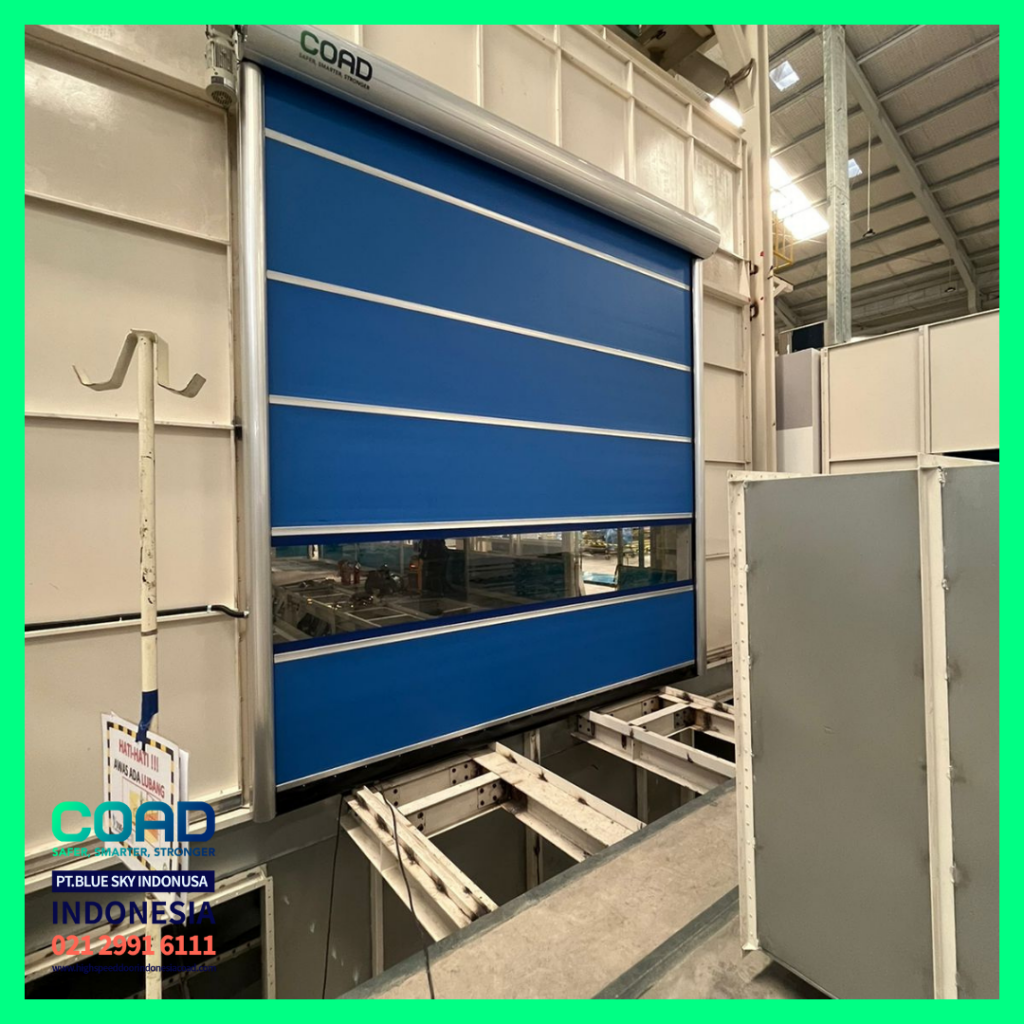
The versatility of STVs makes them suitable for a range of industries. In e-commerce, for instance, STVs play a vital role in managing the high volume of packages that must be sorted and dispatched daily. They are equally valuable in manufacturing plants, where they transport raw materials and finished products between production lines and storage areas.
In cold storage facilities, STVs ensure the swift movement of temperature-sensitive goods while minimizing exposure to external conditions. Distribution centers also benefit from STVs’ ability to sort goods efficiently, facilitating faster deliveries. Regardless of the industry, STVs are designed to handle complex logistics with ease, making them a preferred choice for businesses seeking greater operational efficiency.
The Advantages of STV Systems
One of the standout features of STVs is their adaptability. Unlike static conveyors, which require extensive planning and space, STVs can be integrated into existing setups without major disruptions. Their compact design and flexible tracks make them ideal for facilities with limited floor space.
Another advantage is the precision offered by STV systems. By leveraging advanced tracking technologies, they minimize sorting errors, ensuring goods reach their intended destinations accurately. Additionally, STVs significantly reduce operational costs by decreasing reliance on manual labor and optimizing time management.
Businesses that invest in STVs often see long-term benefits in the form of increased productivity and reduced downtime. As demands in the logistics industry continue to grow, STVs are poised to remain a cornerstone of efficient warehouse operations.
Integrating High-Speed Doors with STVs
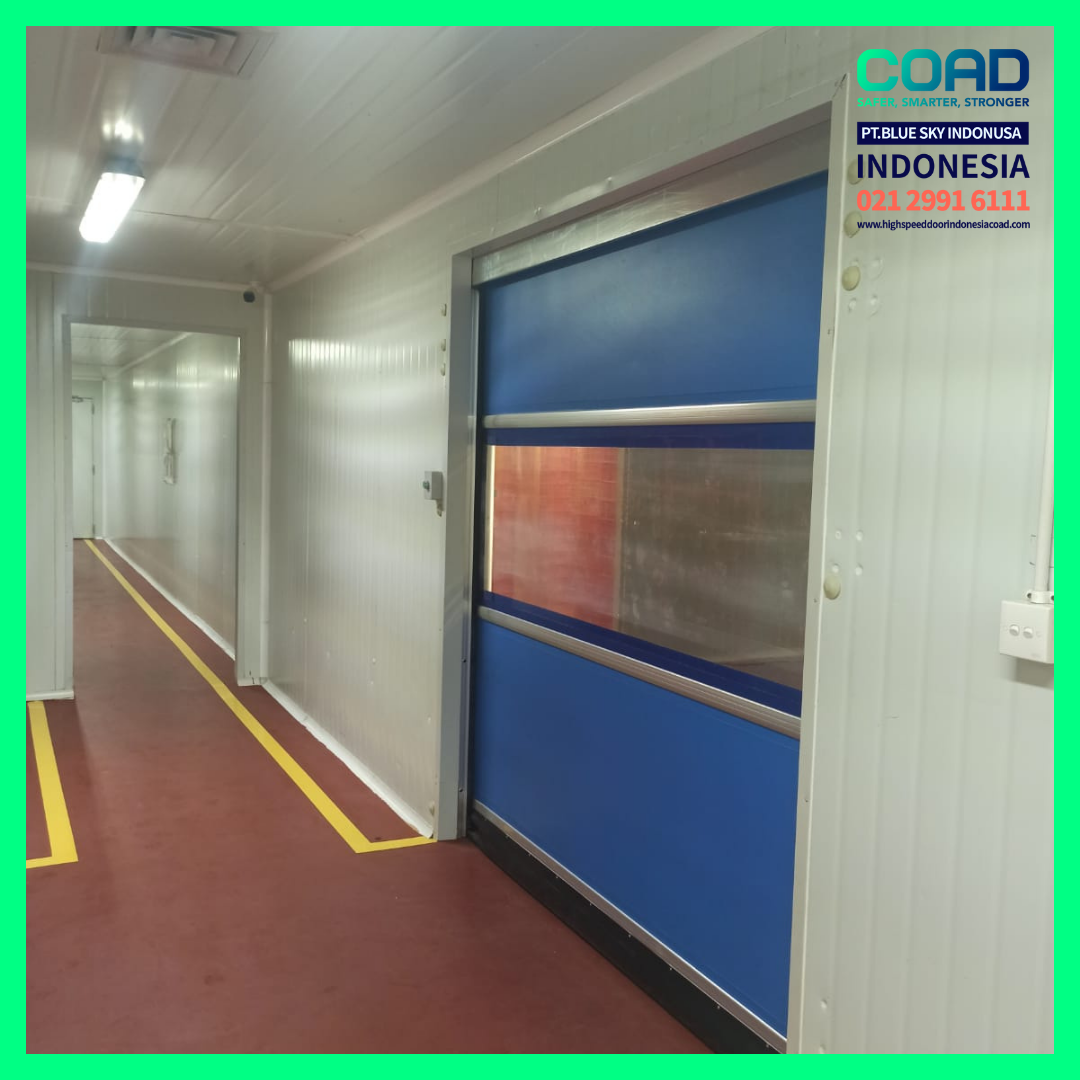
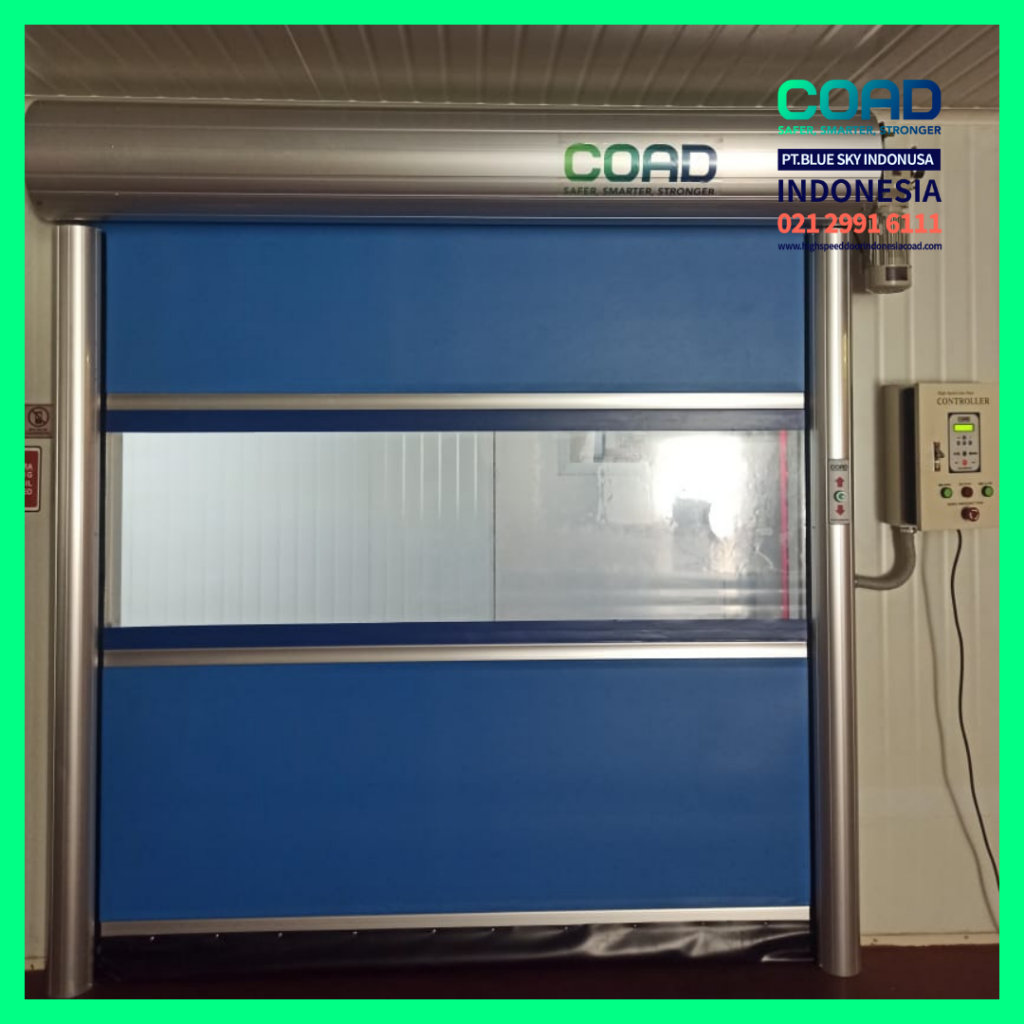
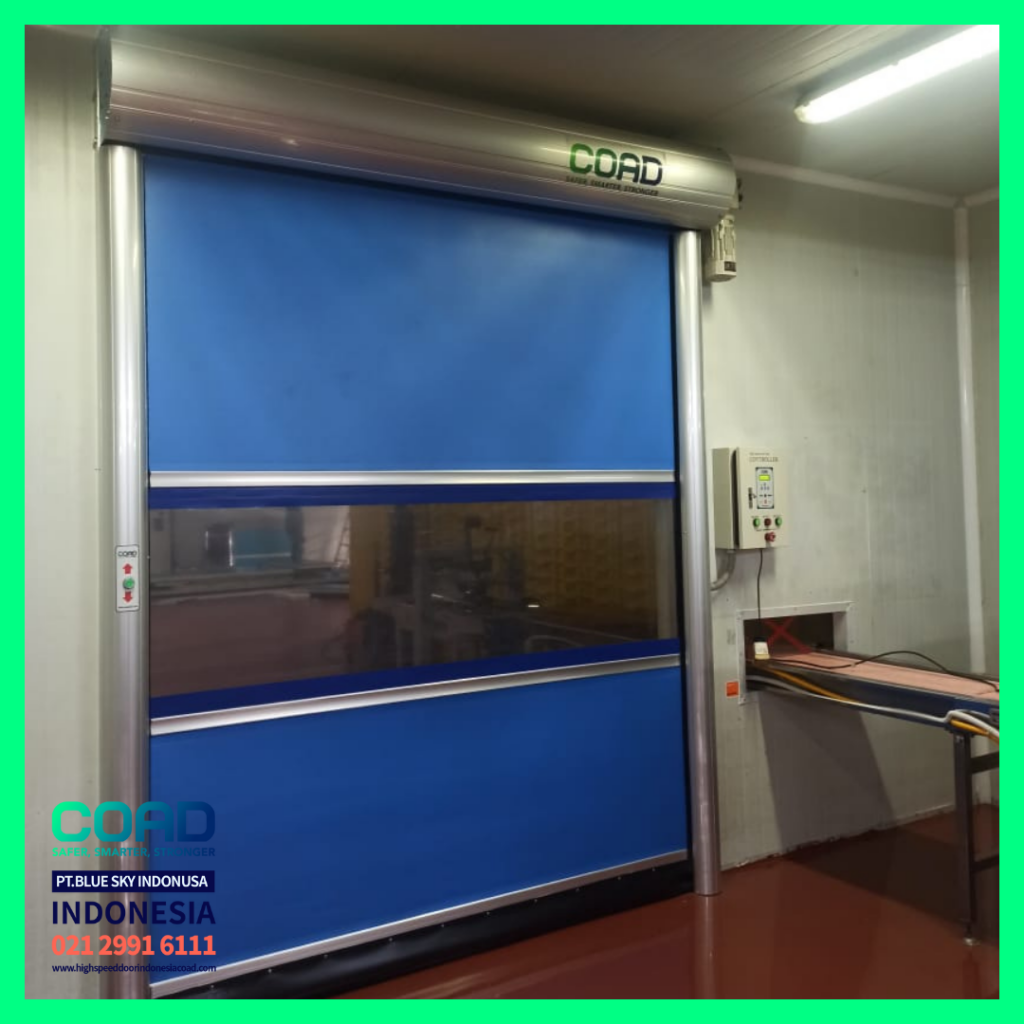
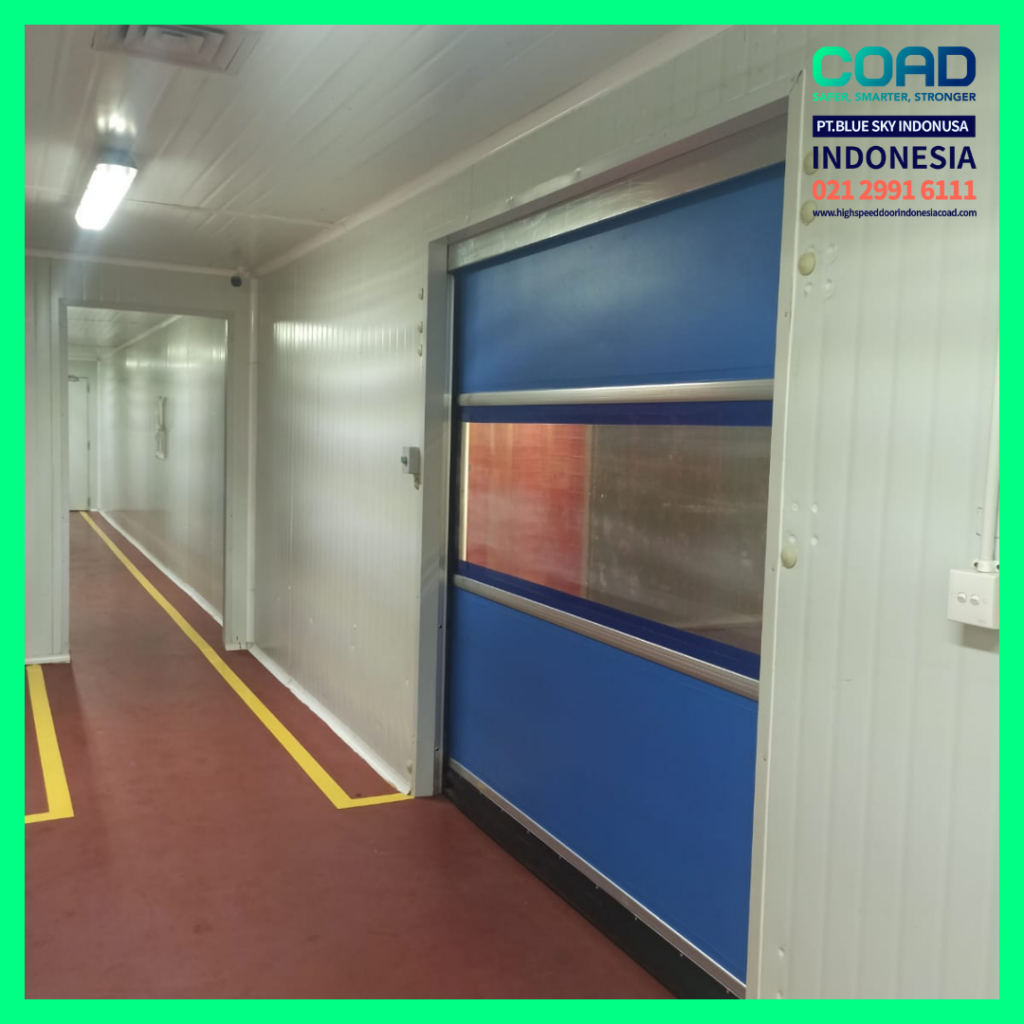
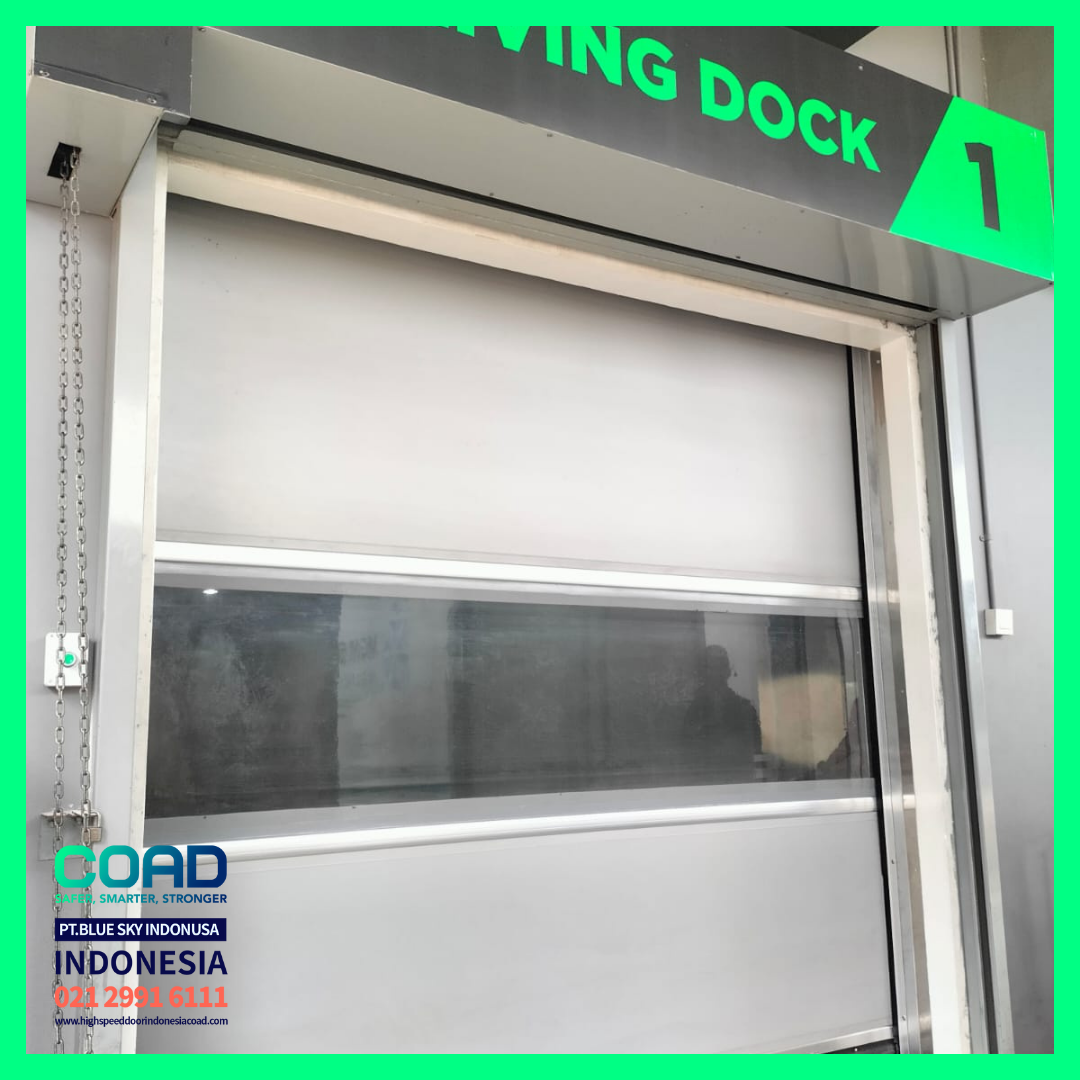
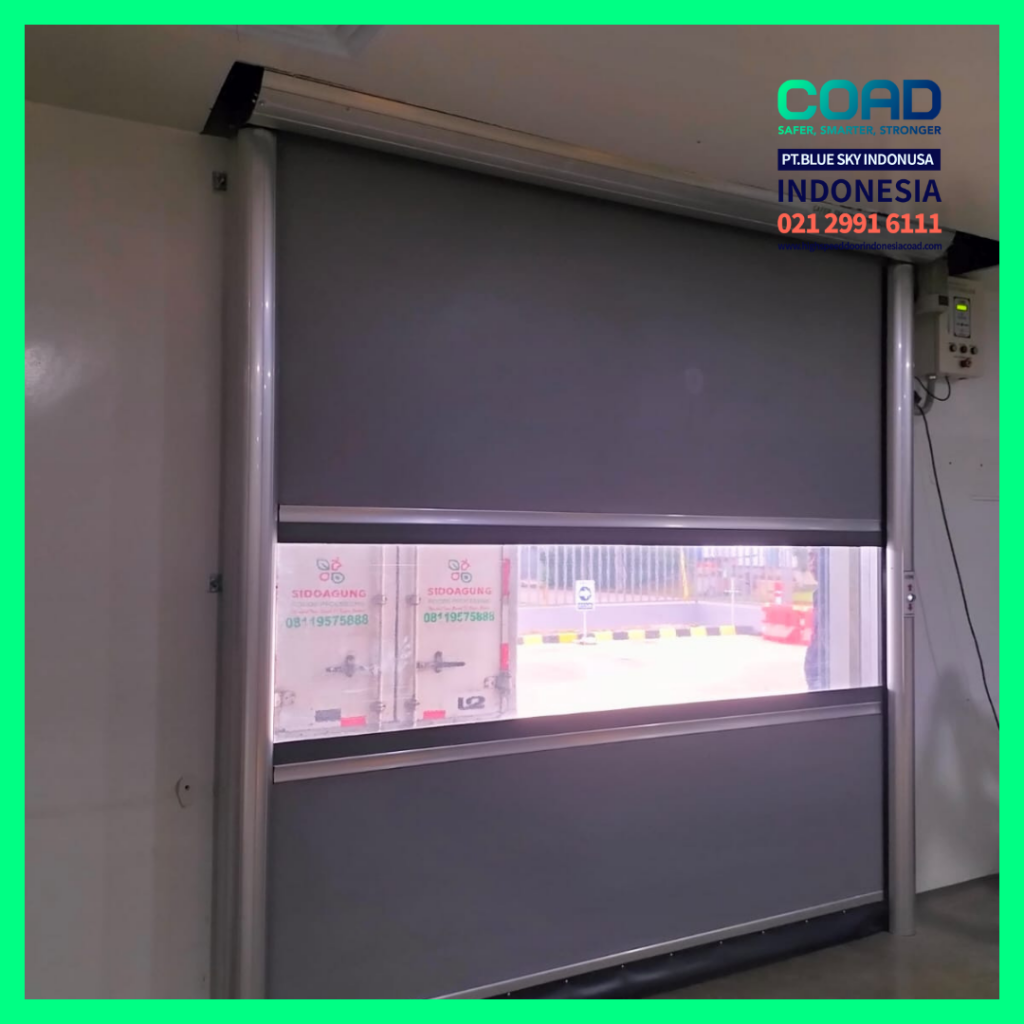
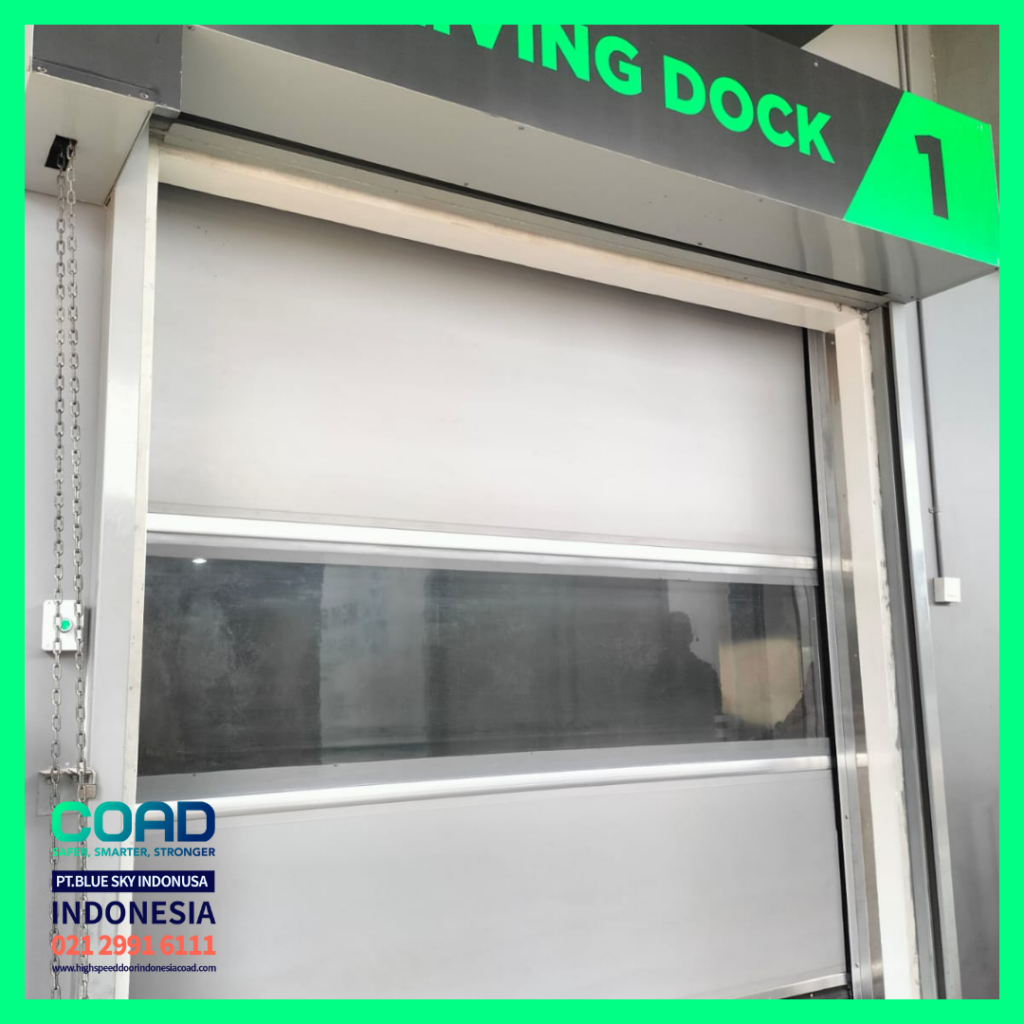
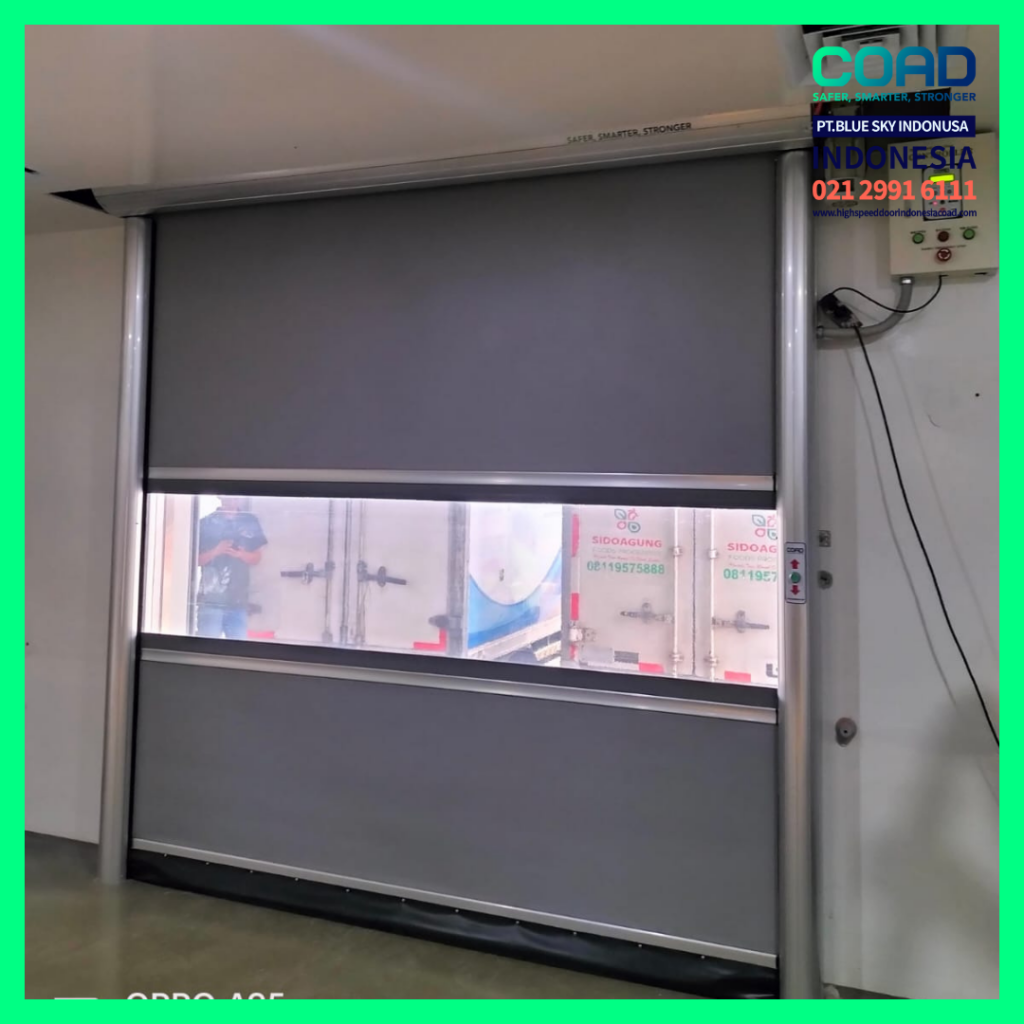
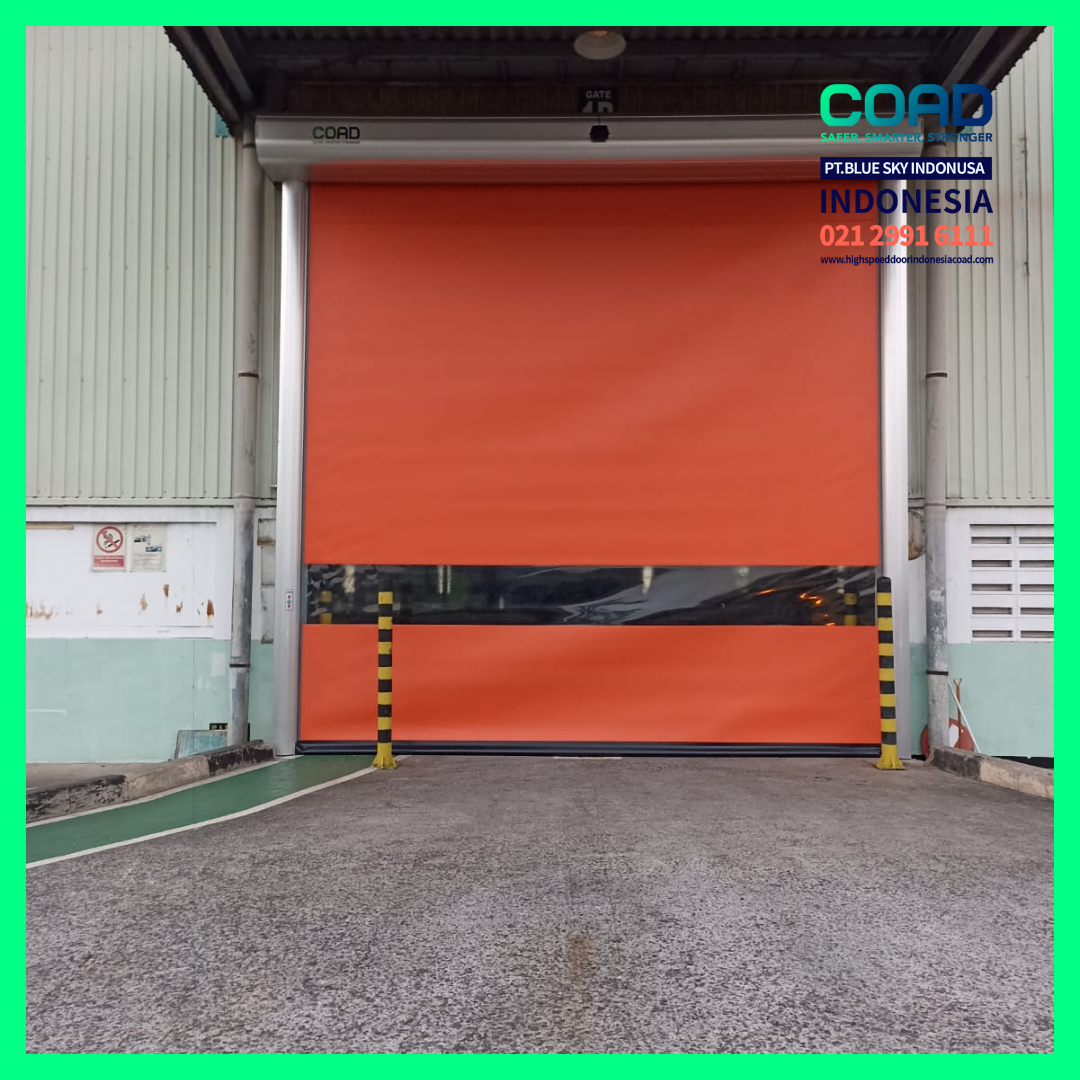
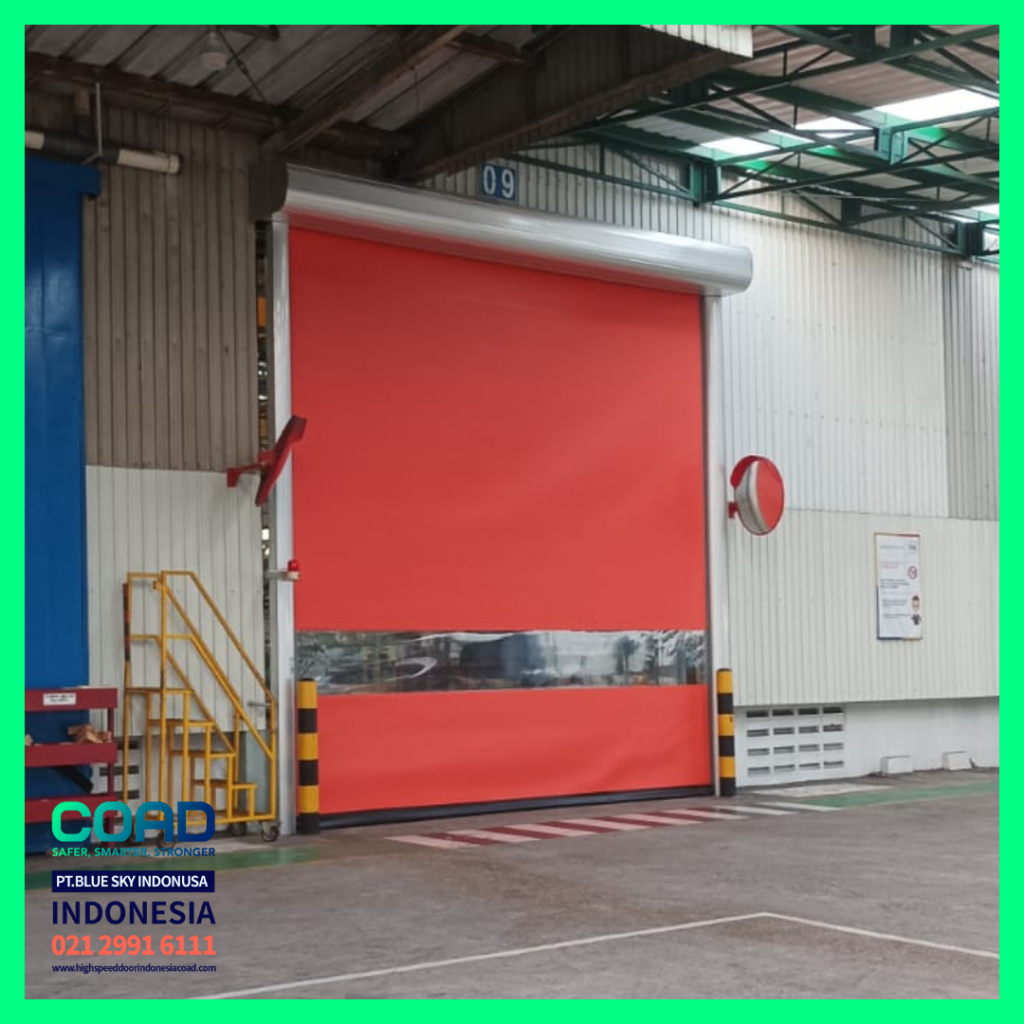
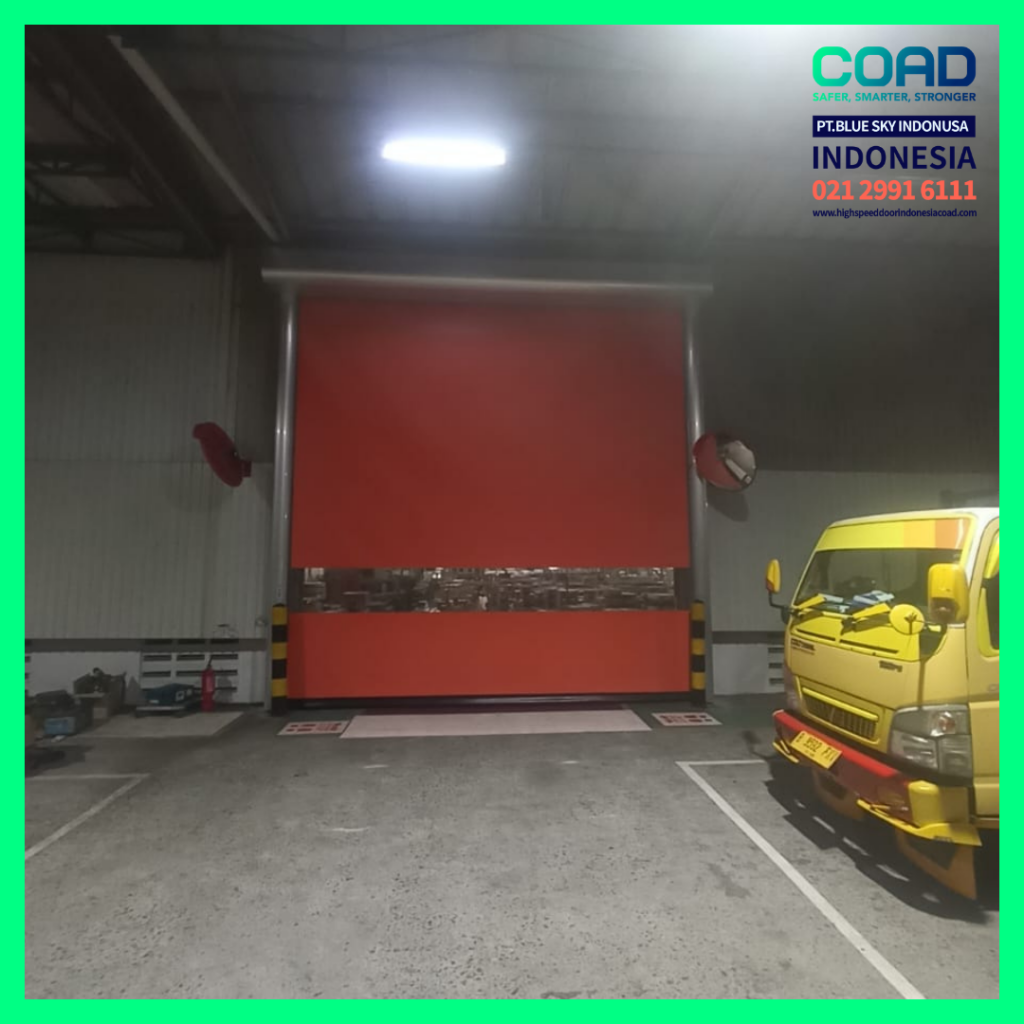
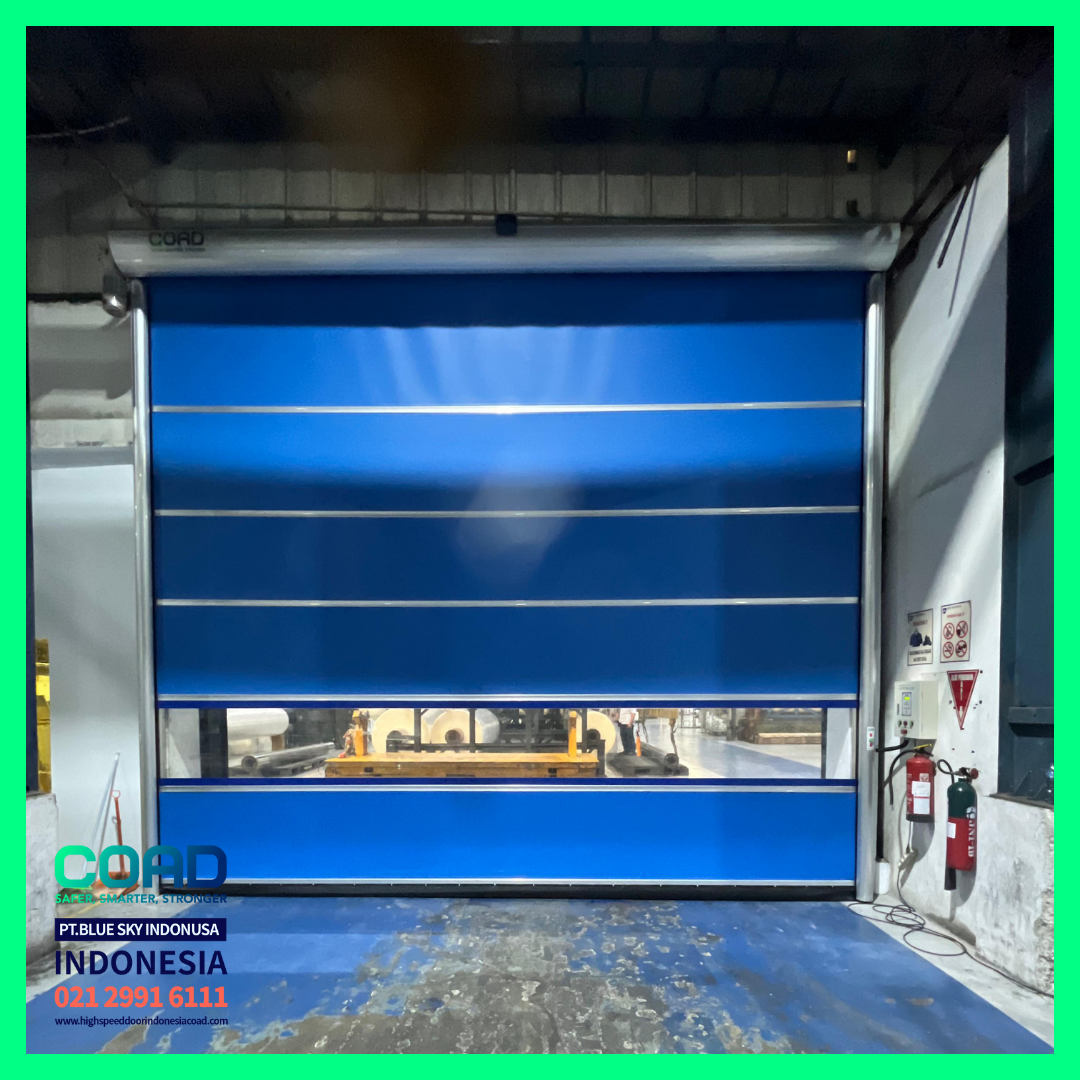
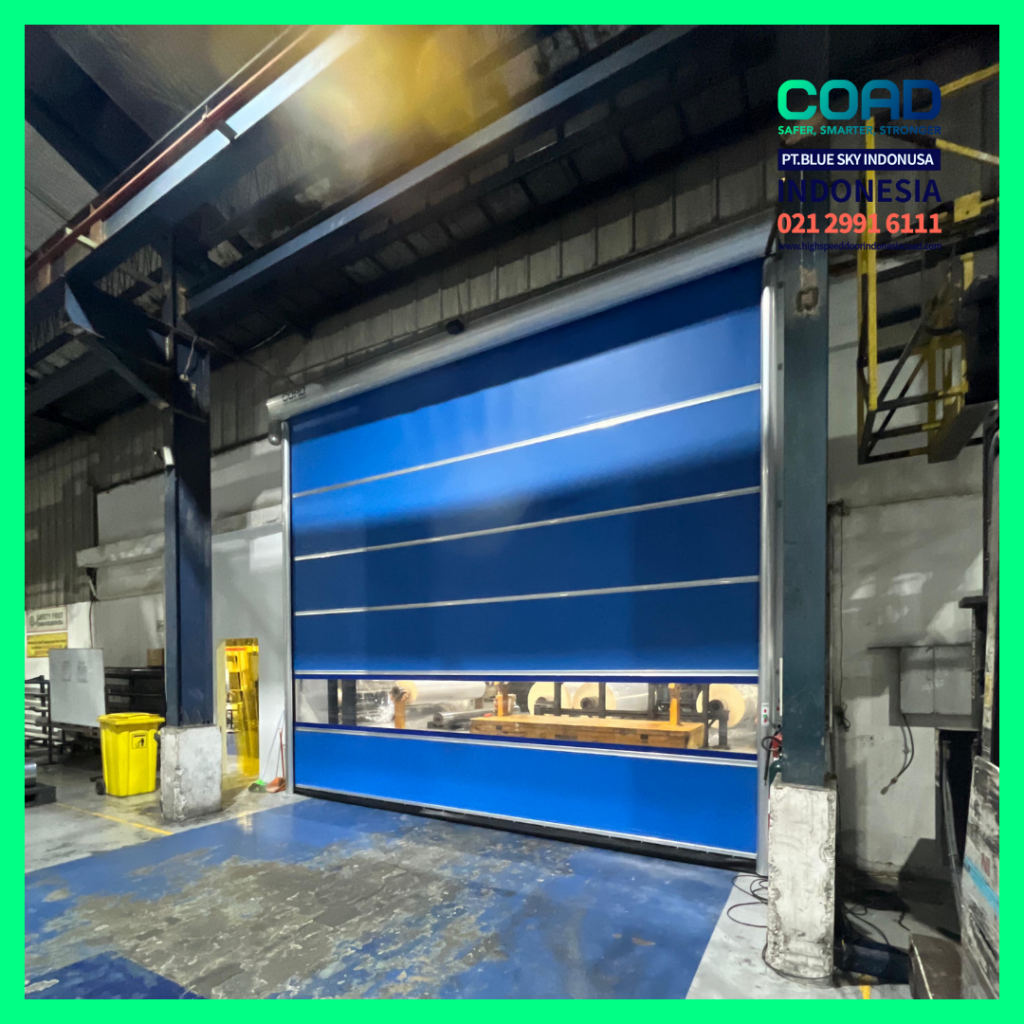
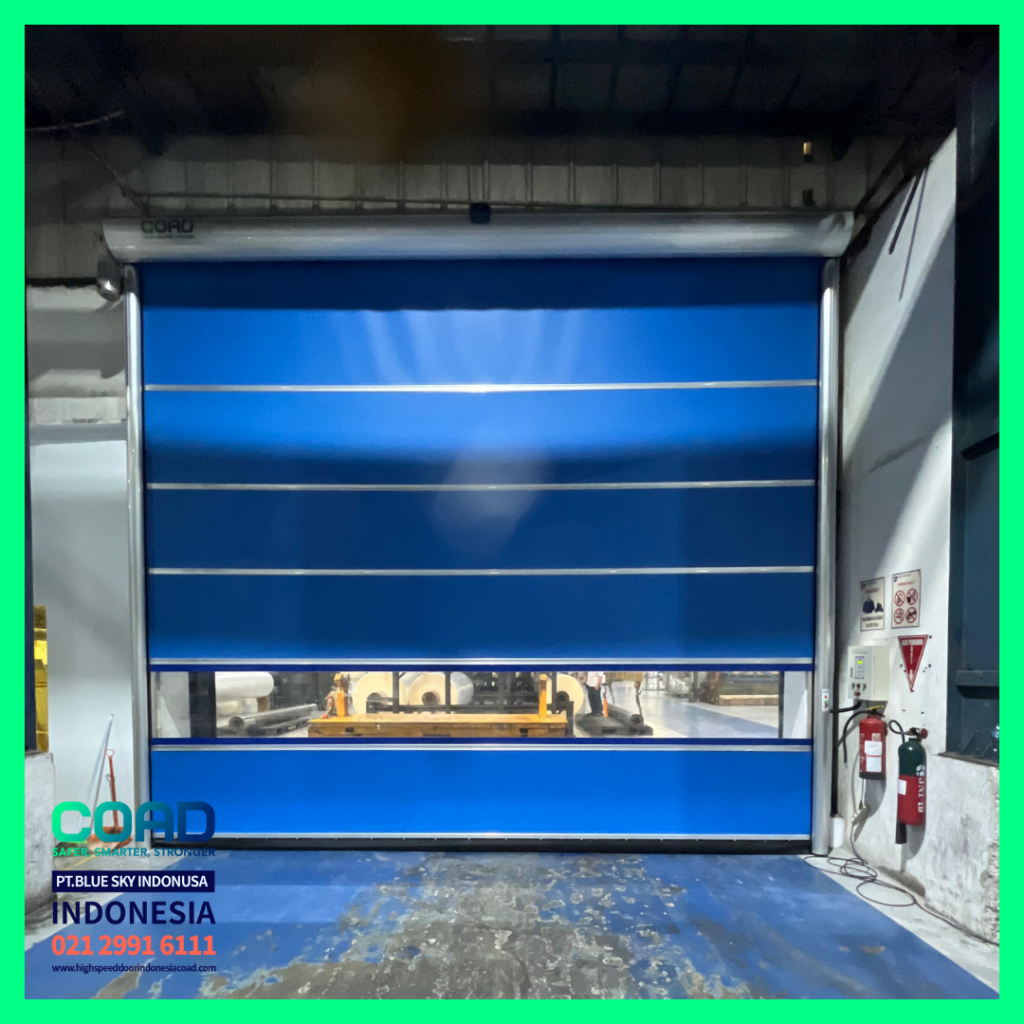
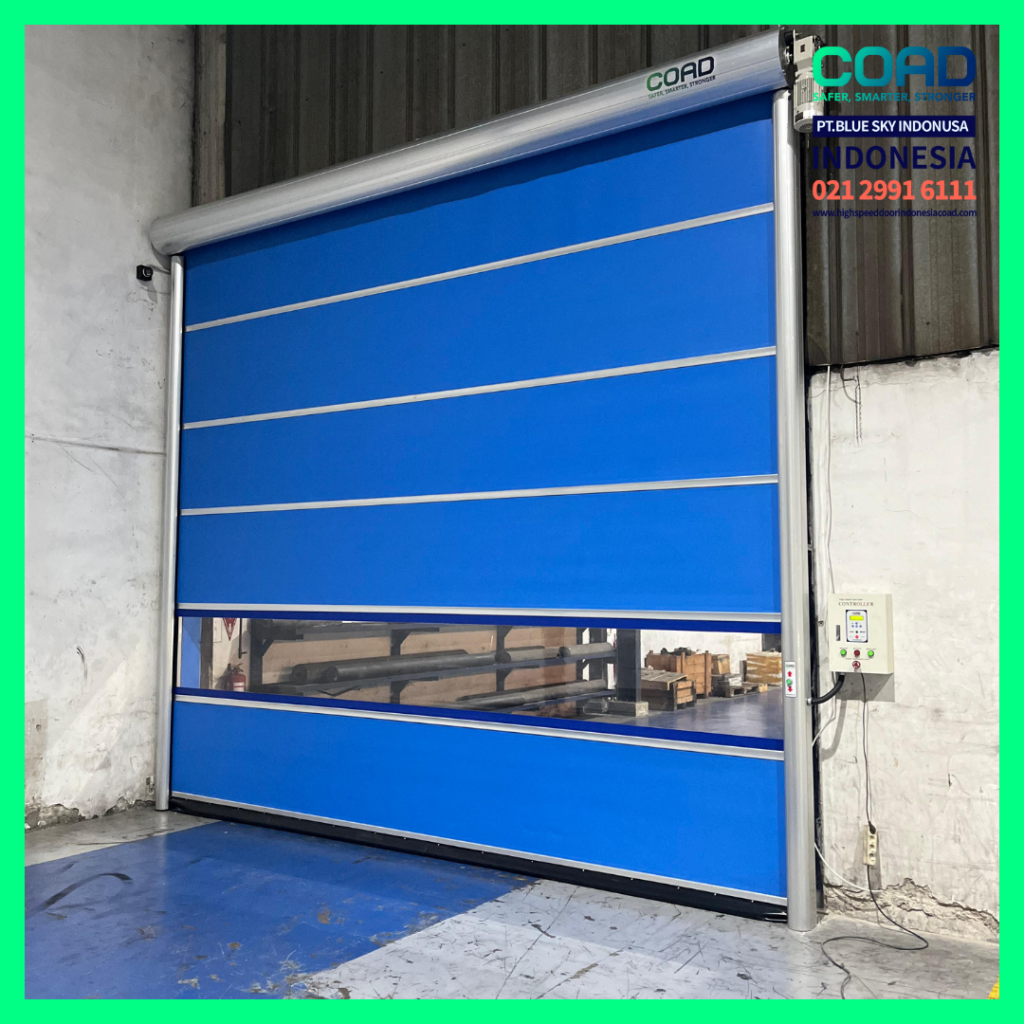
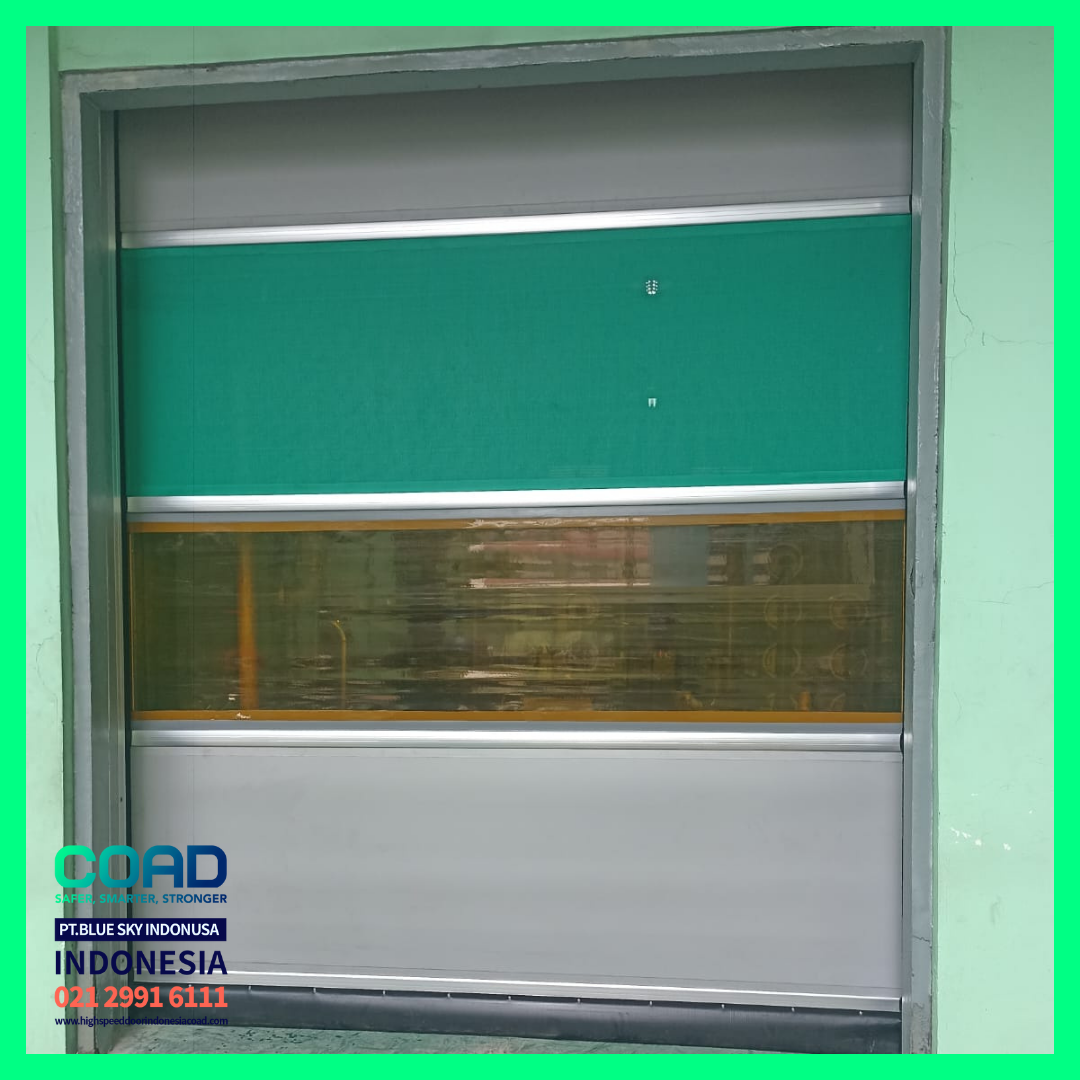
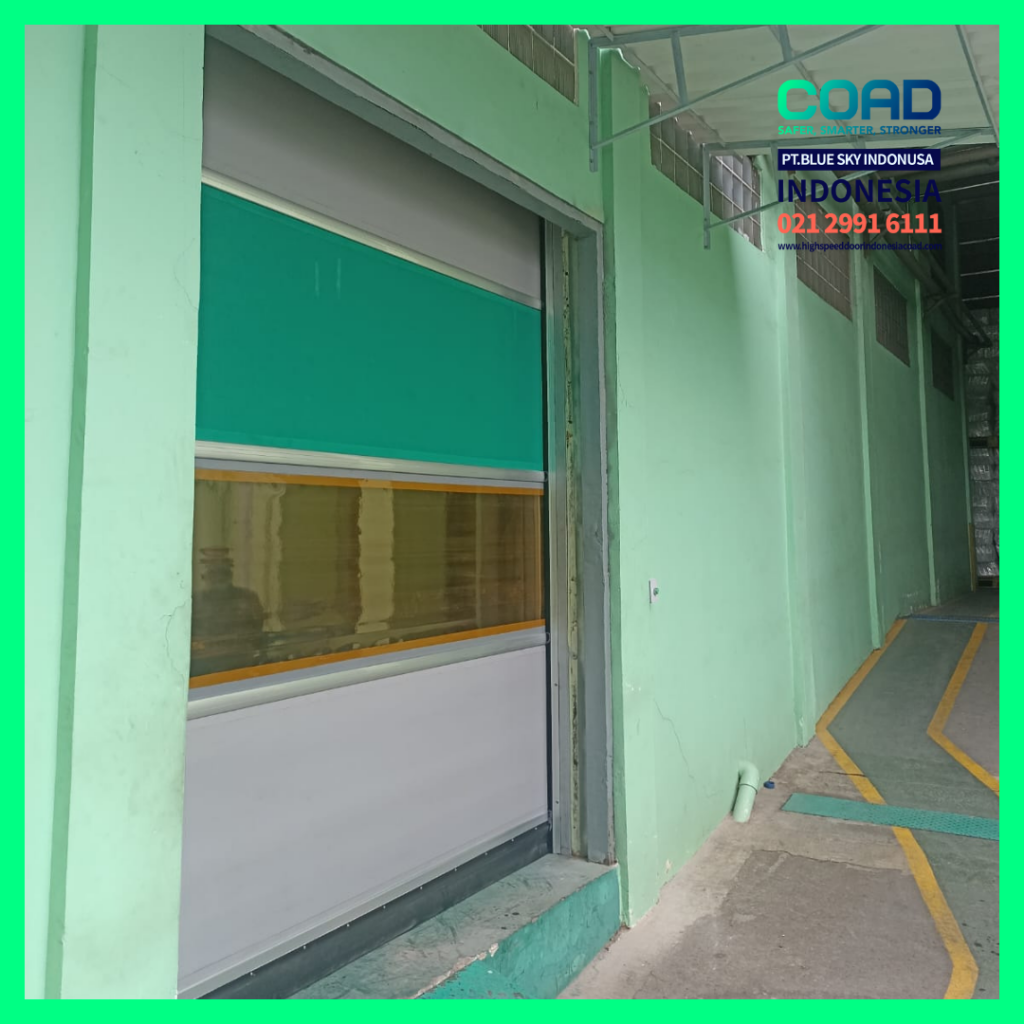
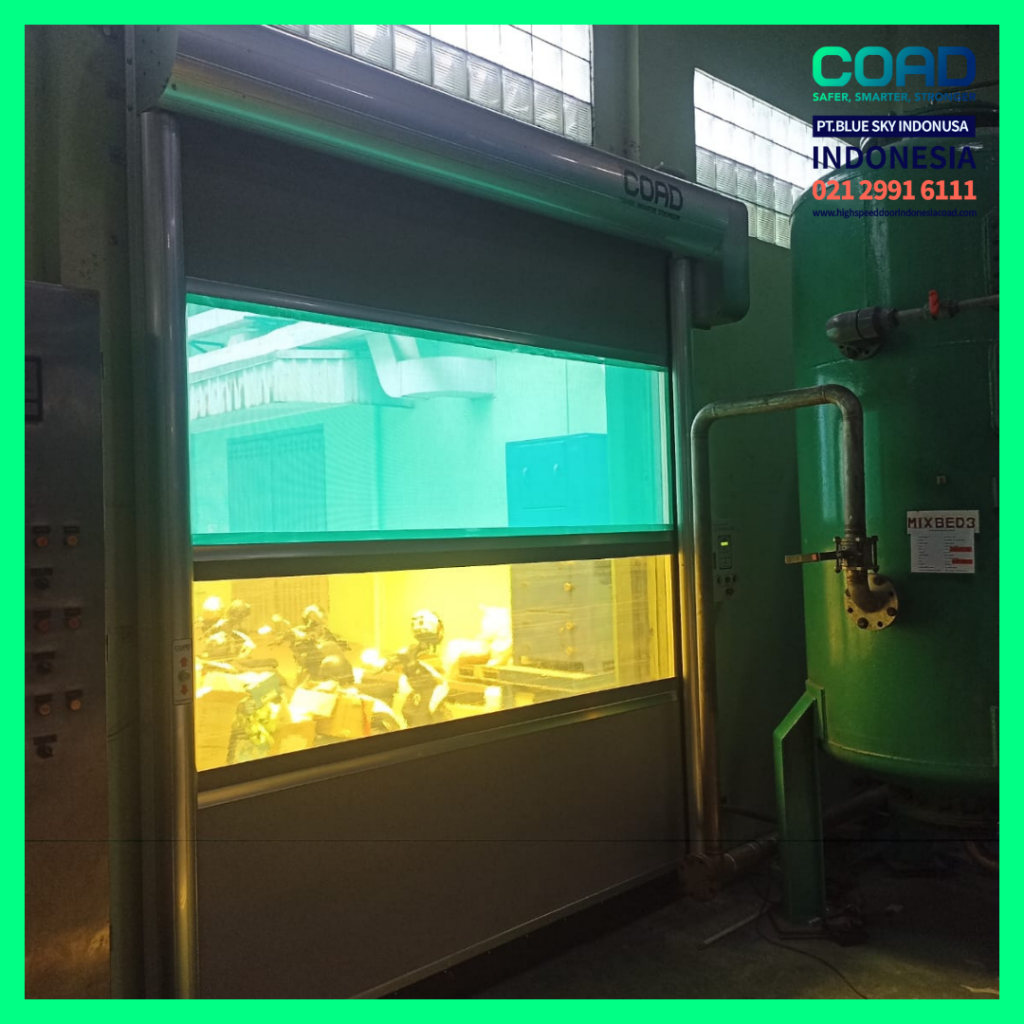
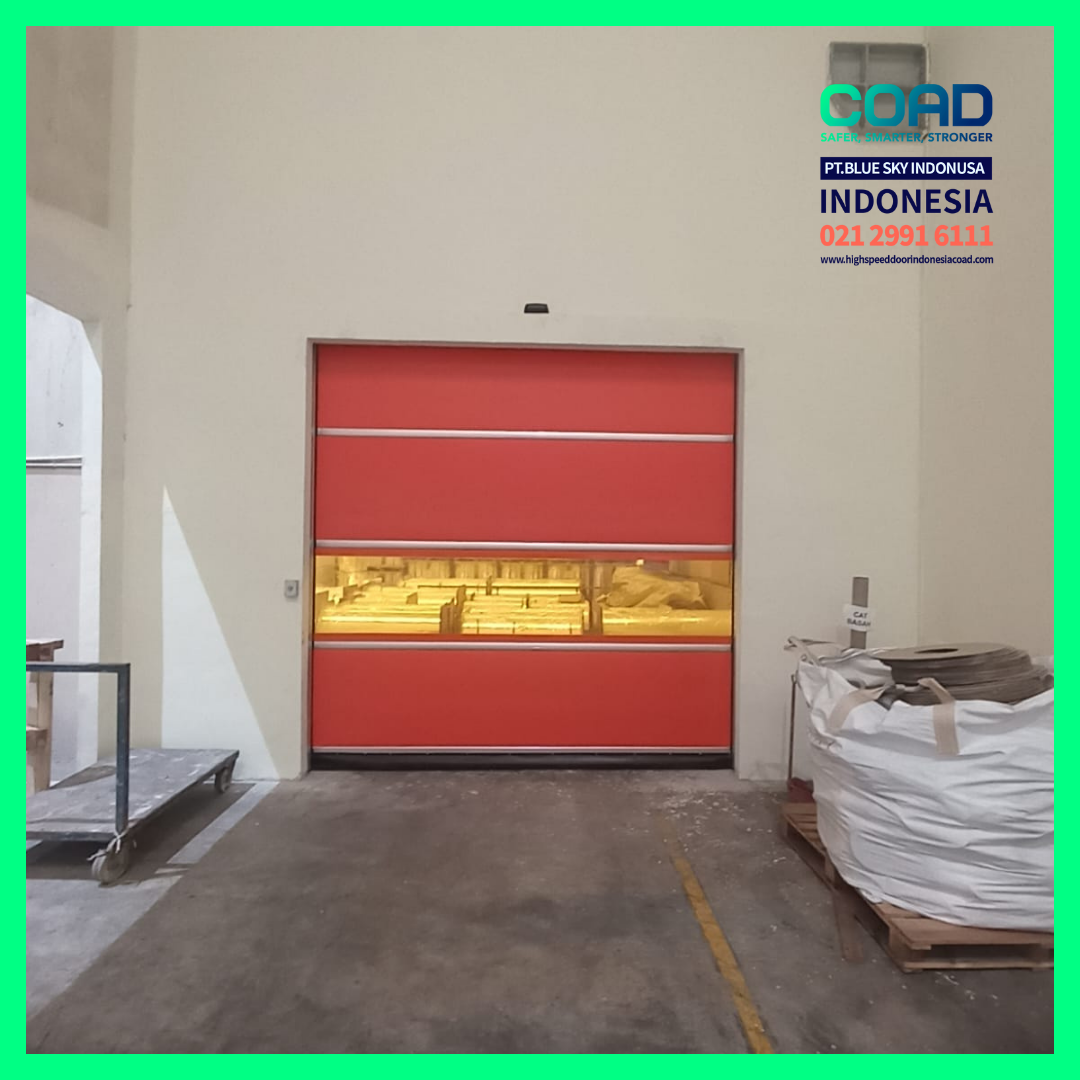
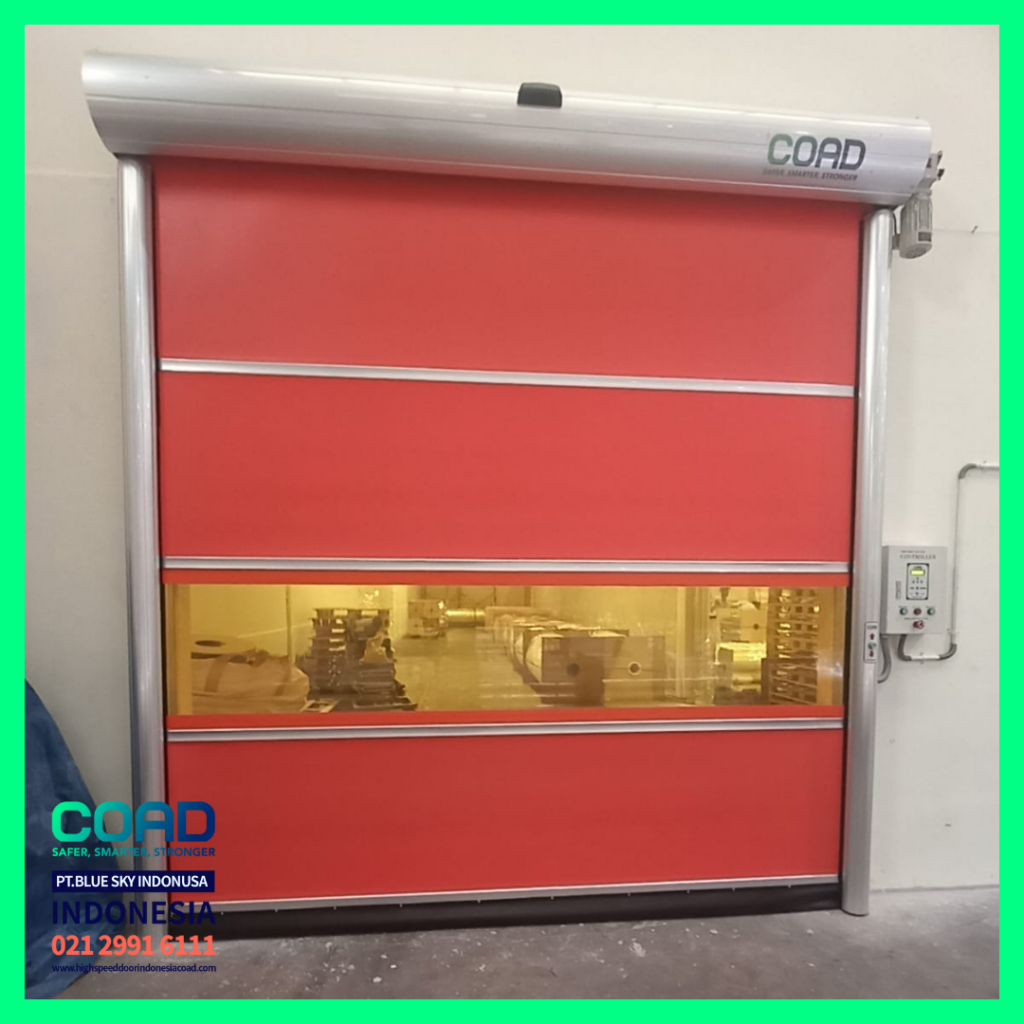
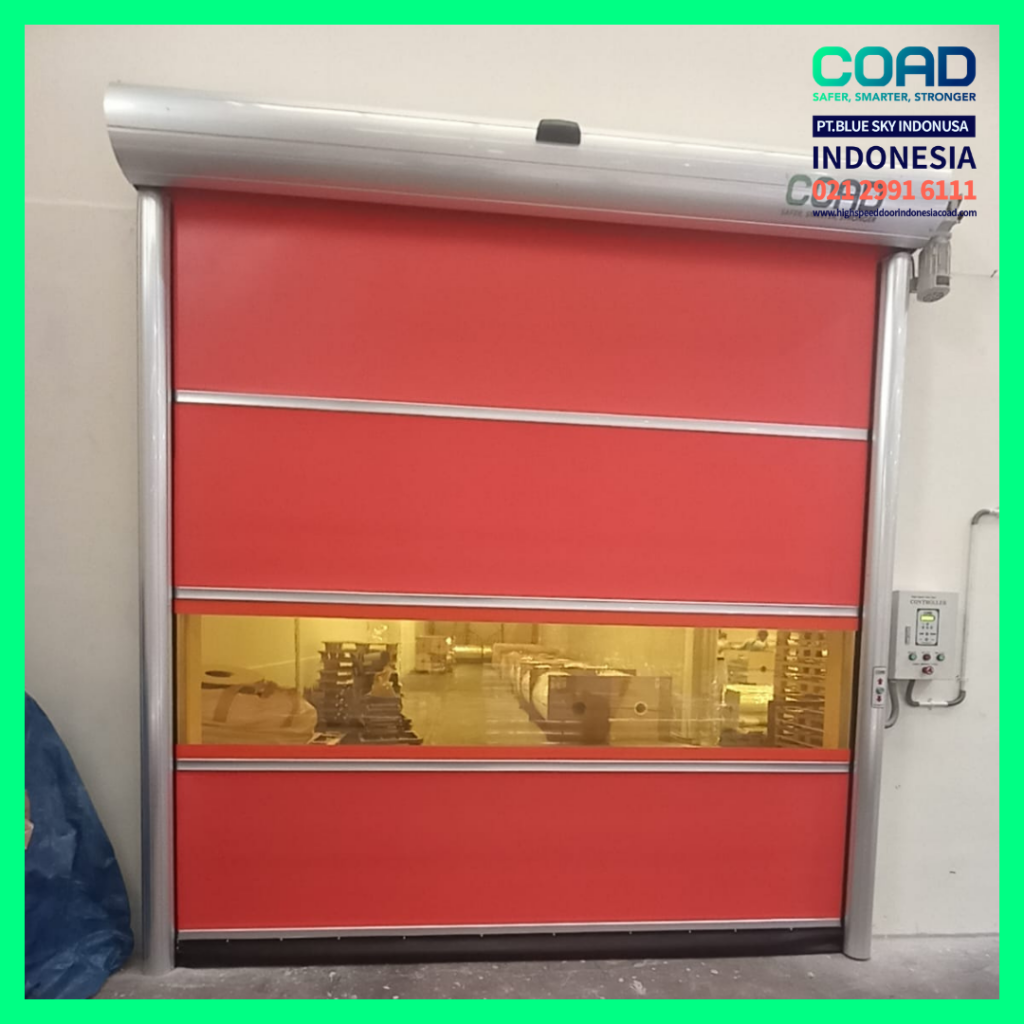
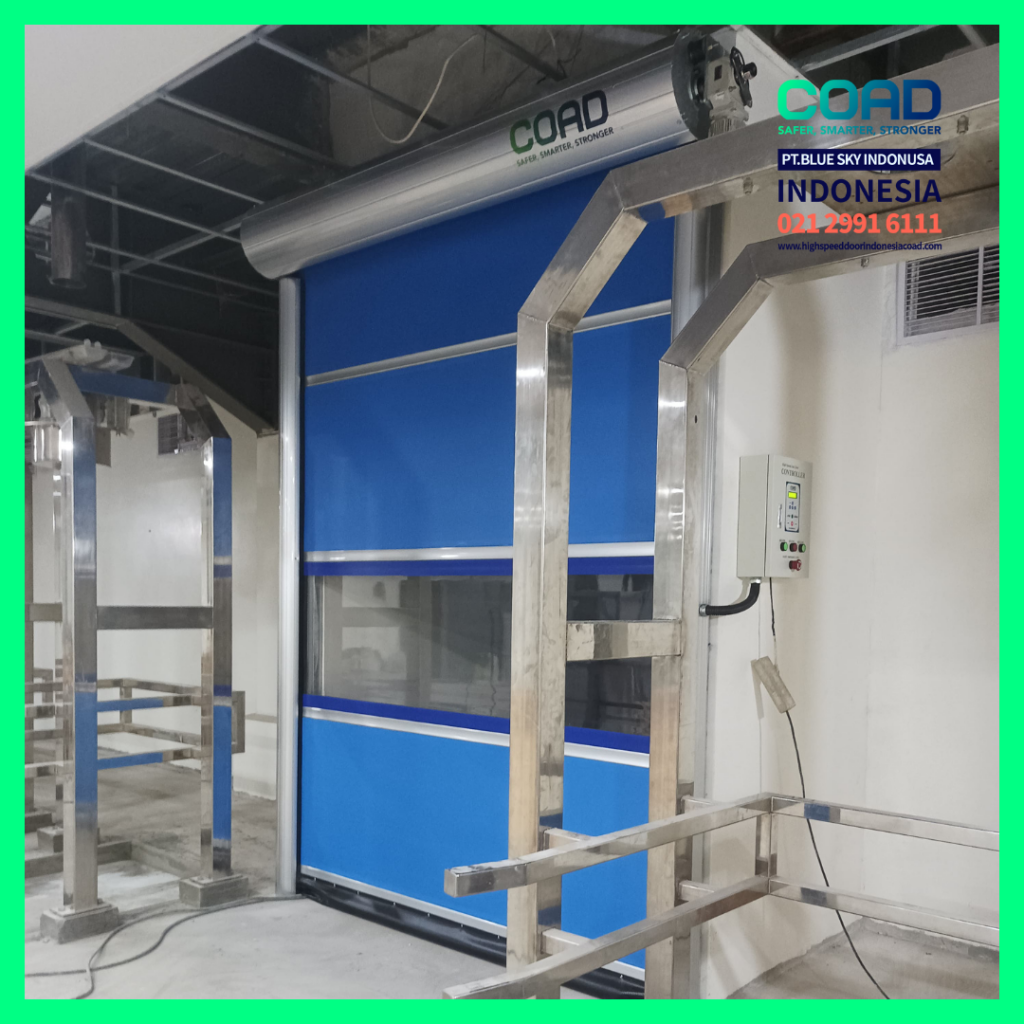
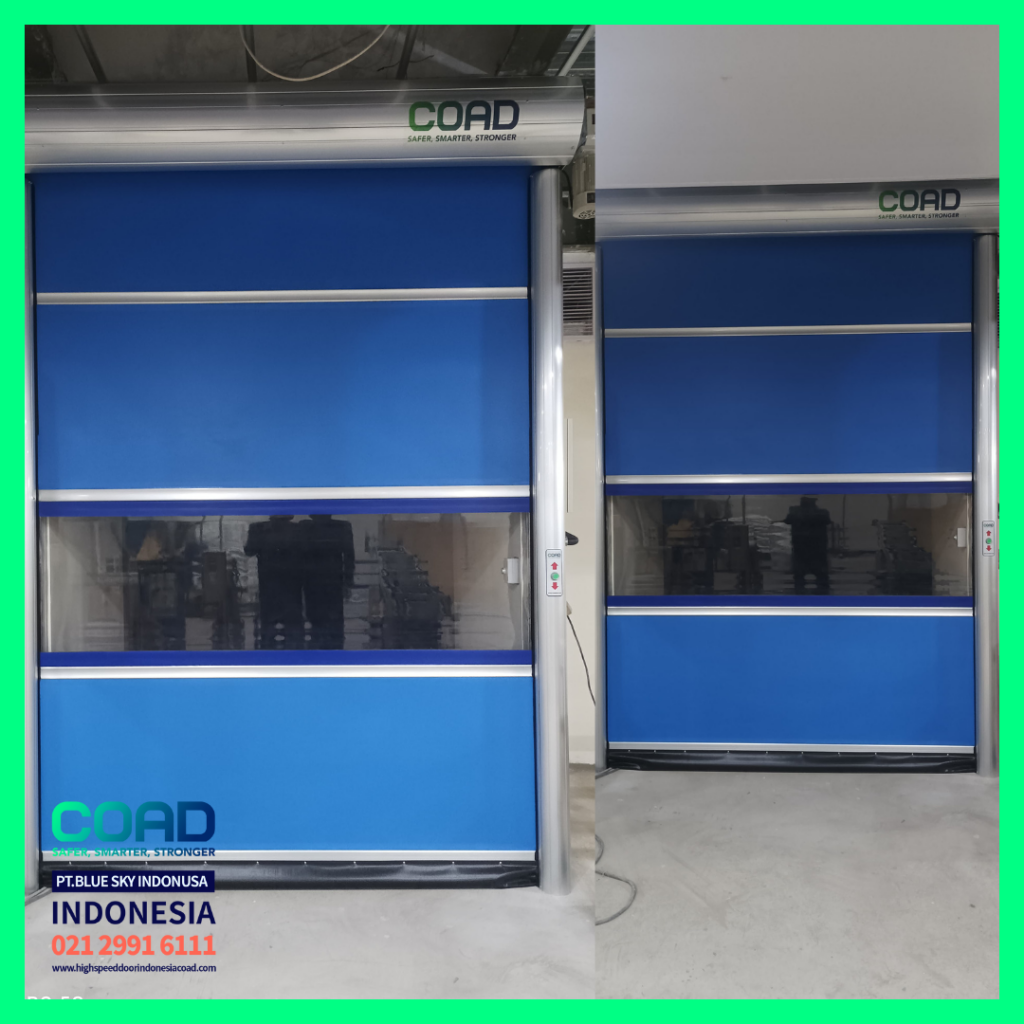
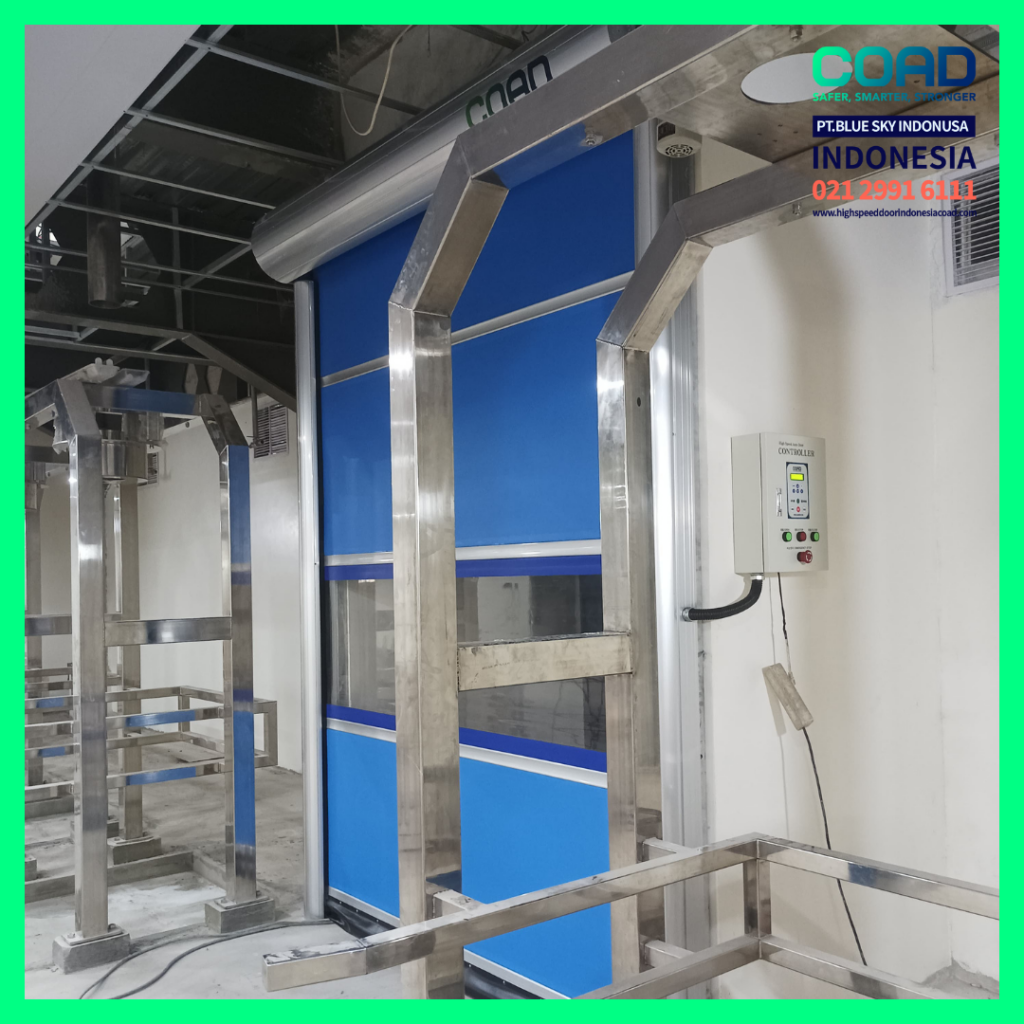
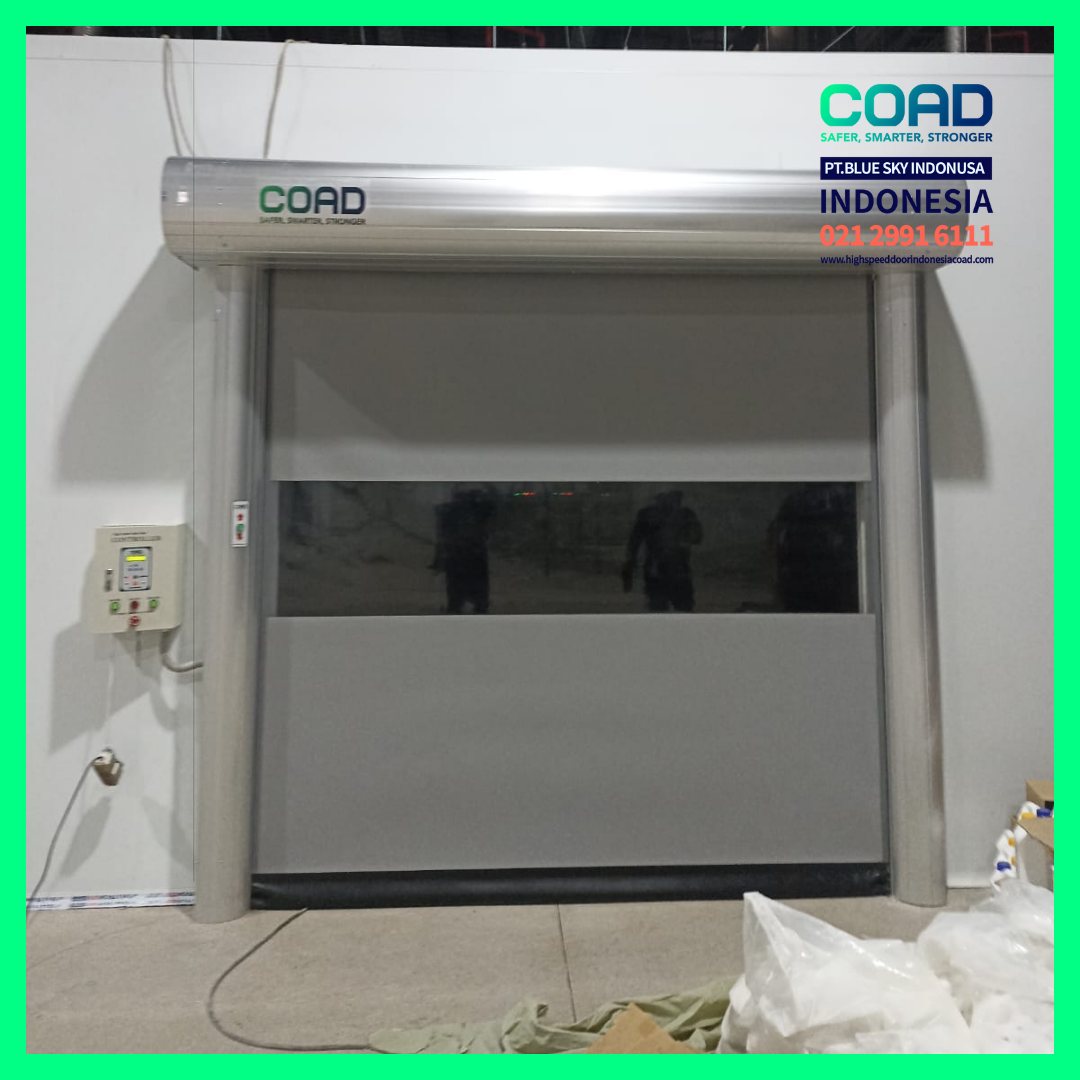
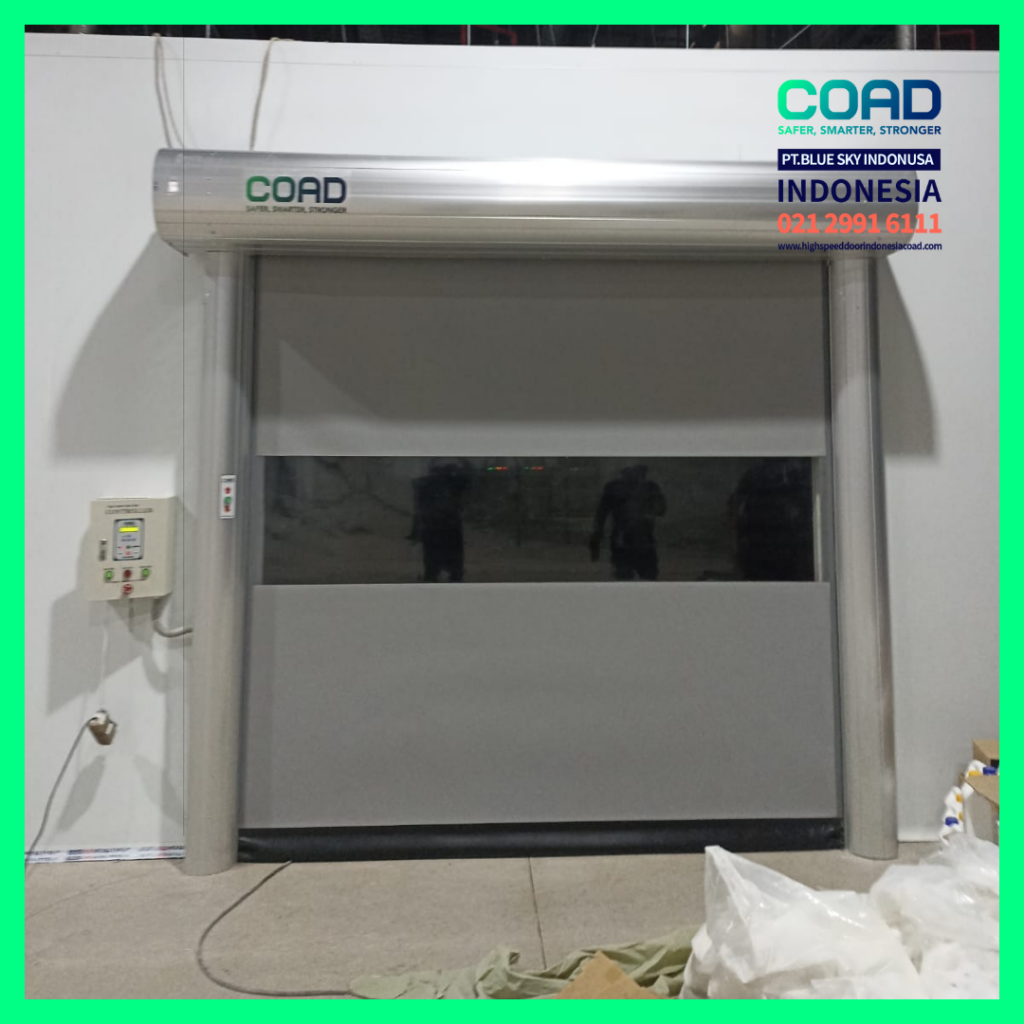
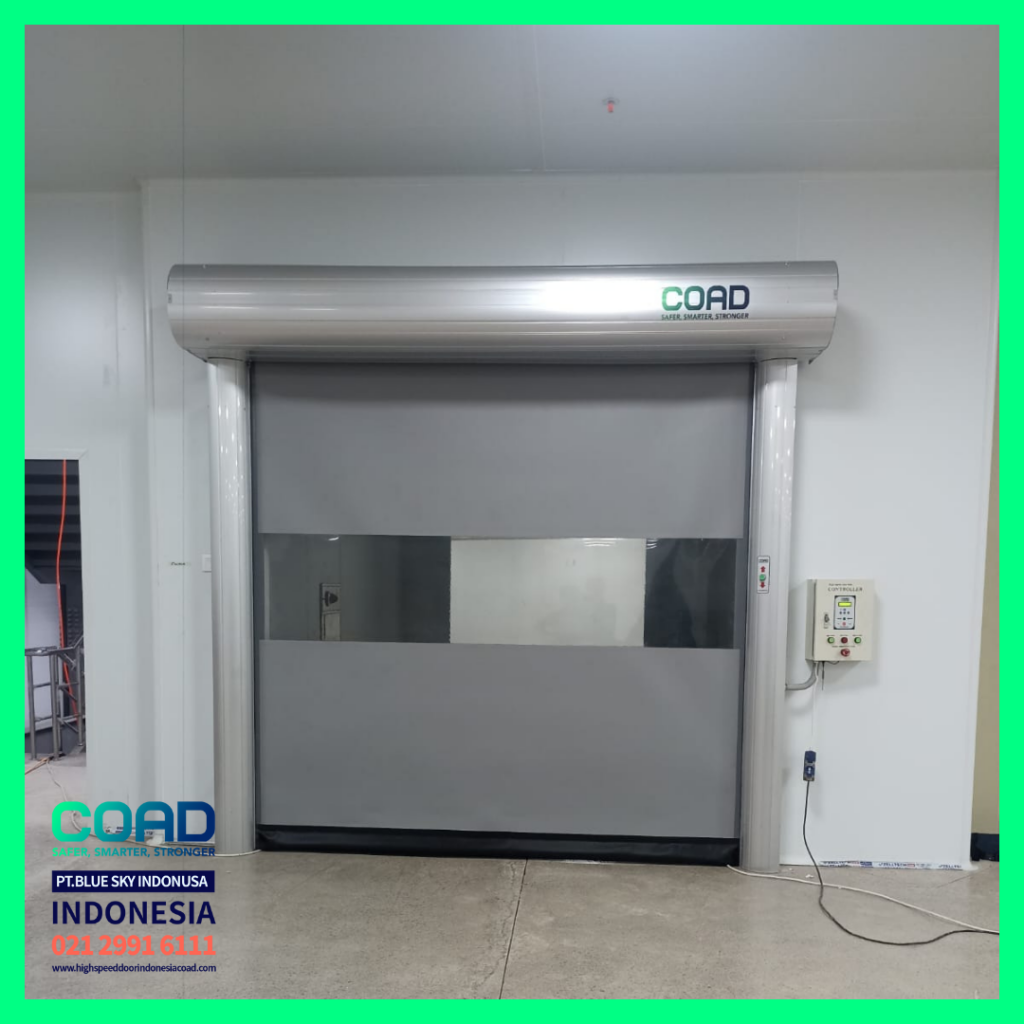
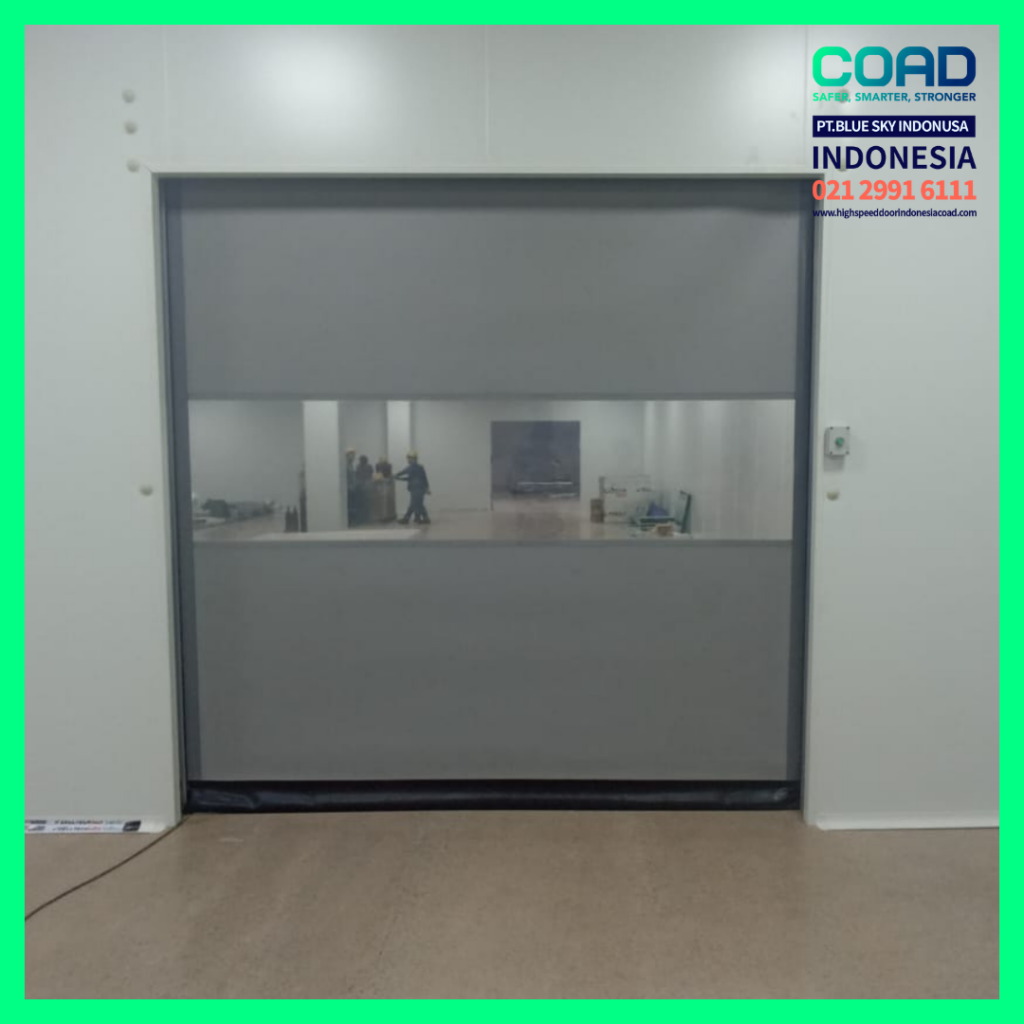
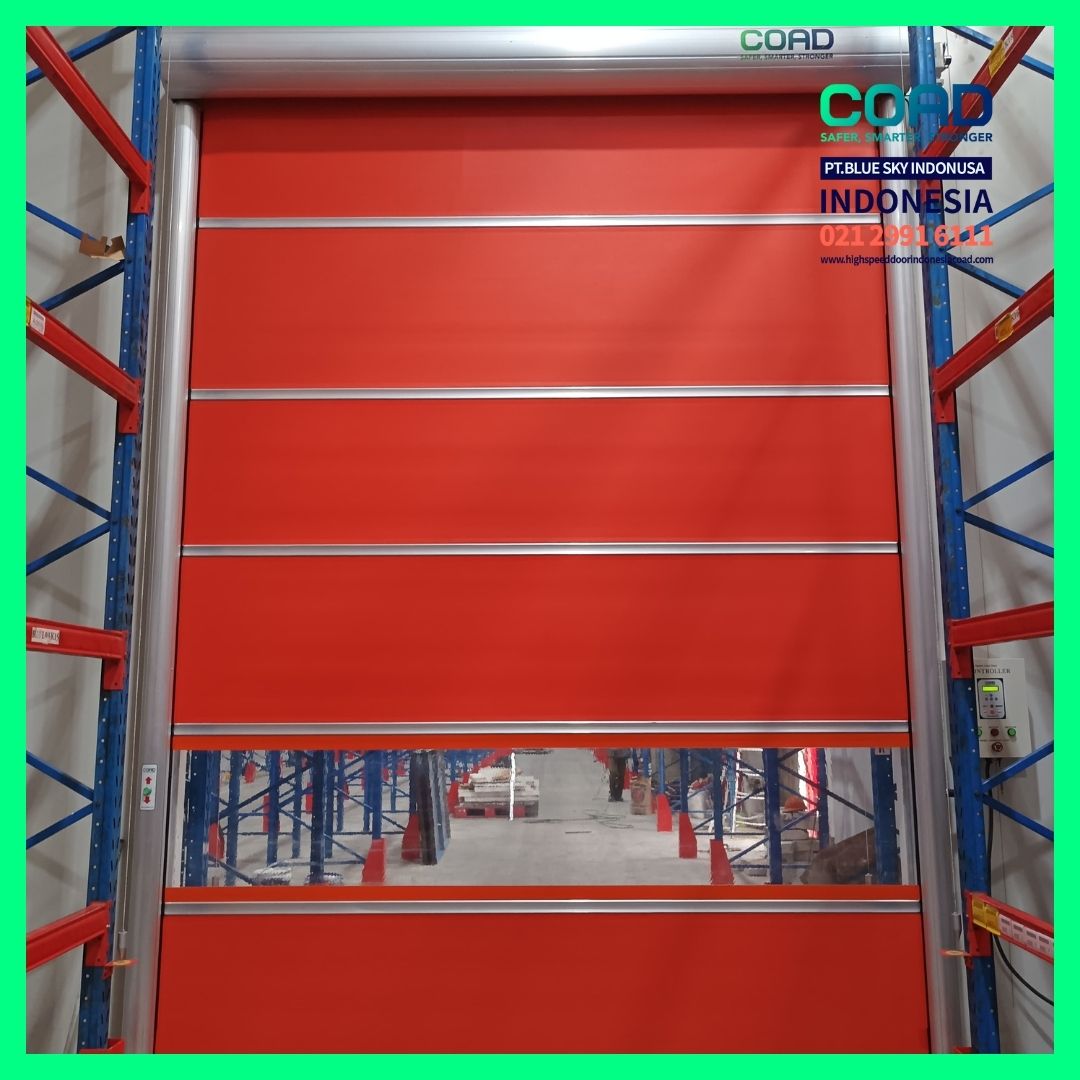
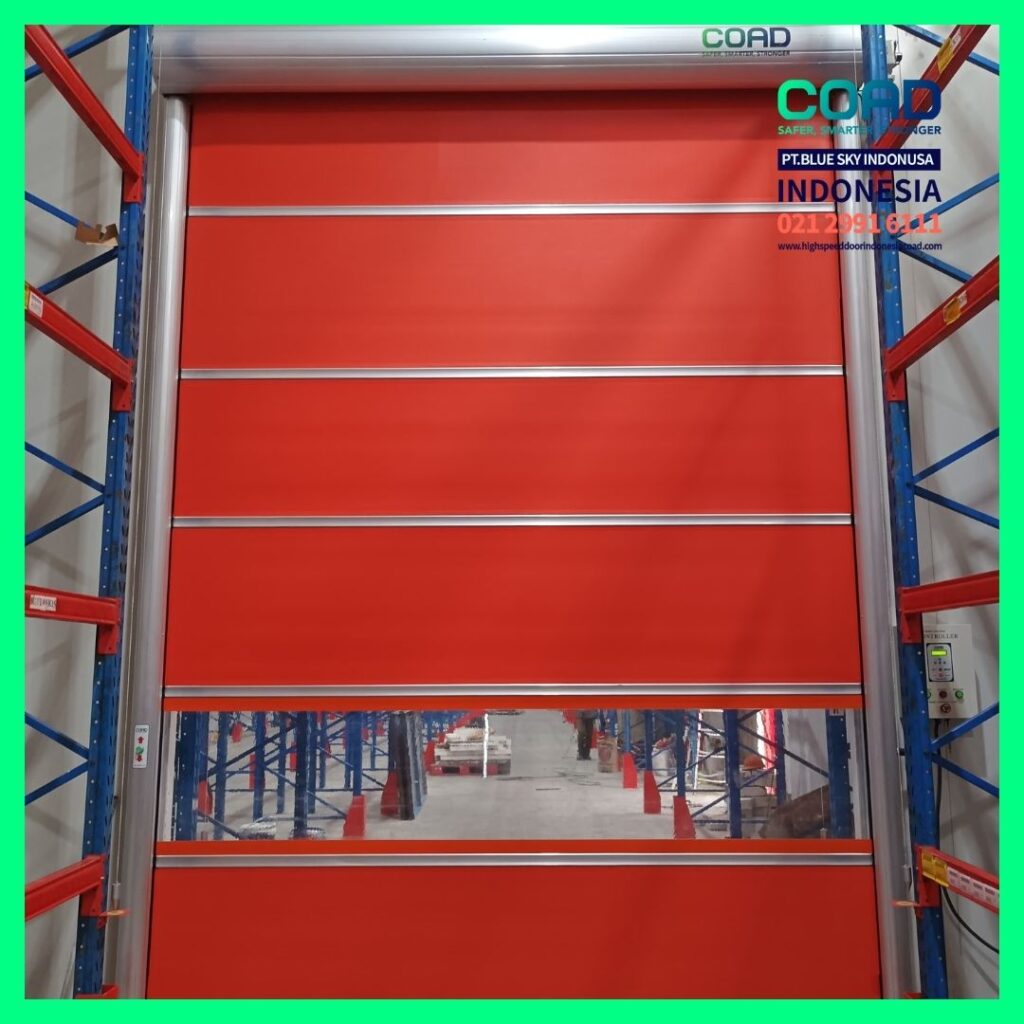
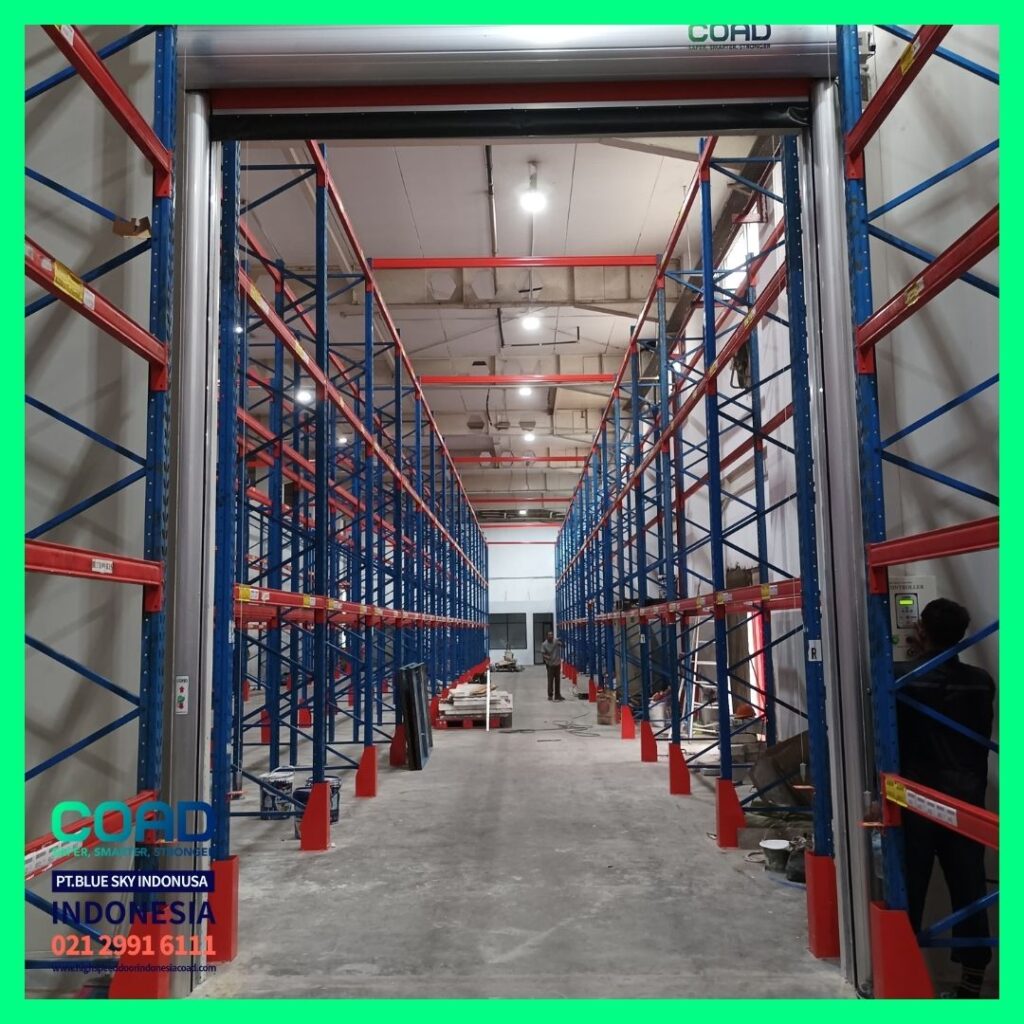
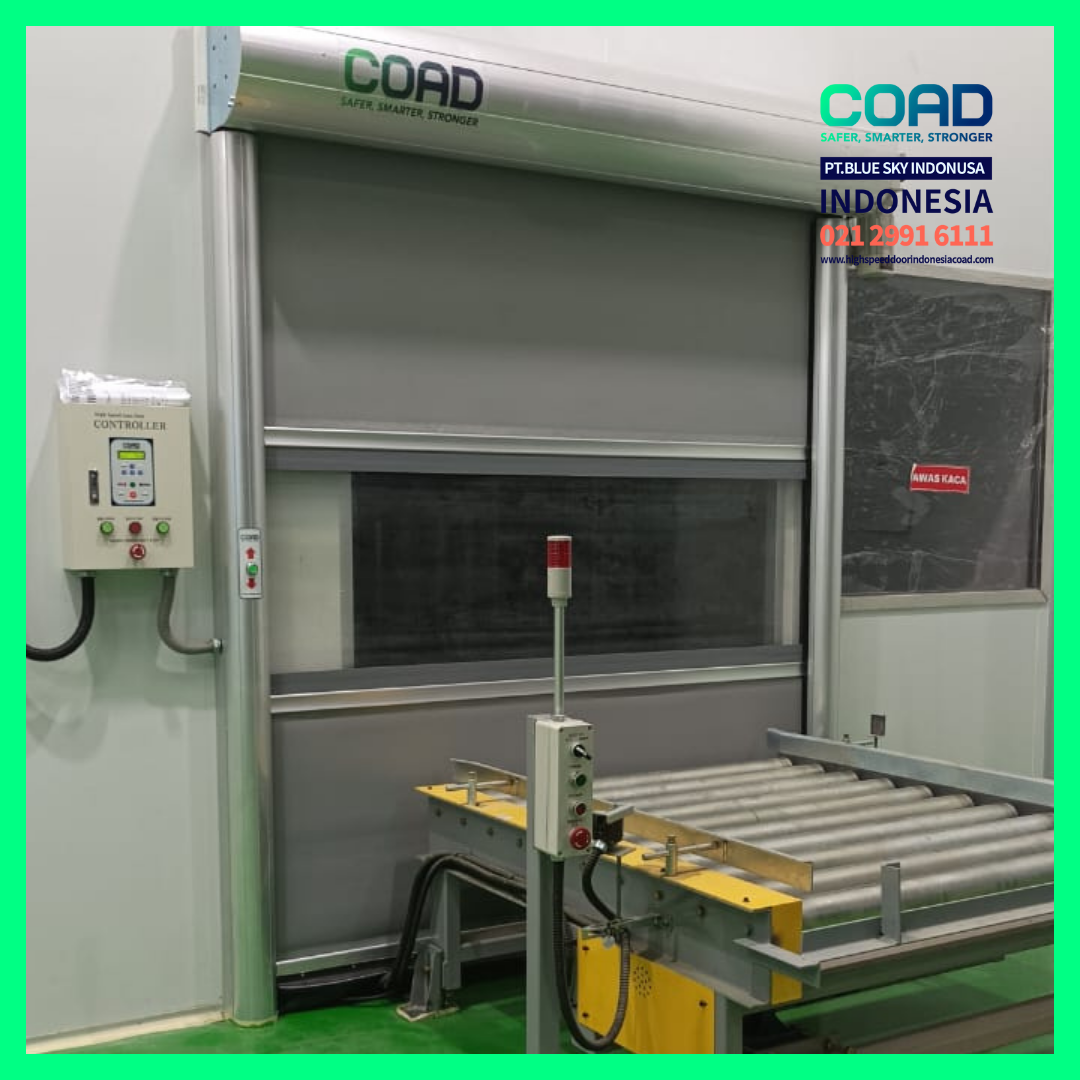
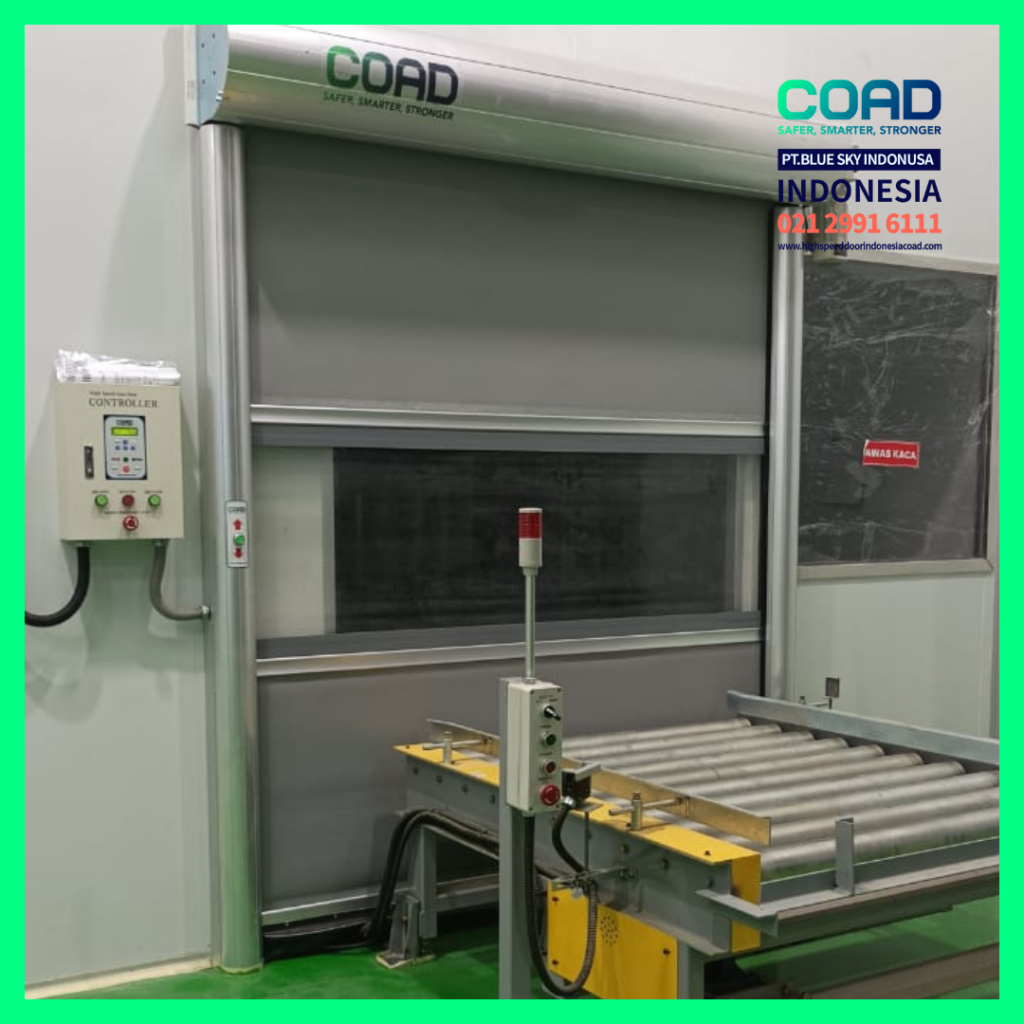
While STVs streamline internal logistics, their efficiency can be further enhanced by integrating high-speed doors. These doors, designed for rapid opening and closing, allow seamless transitions between warehouse zones, ensuring that automated vehicles like STVs operate without interruptions.
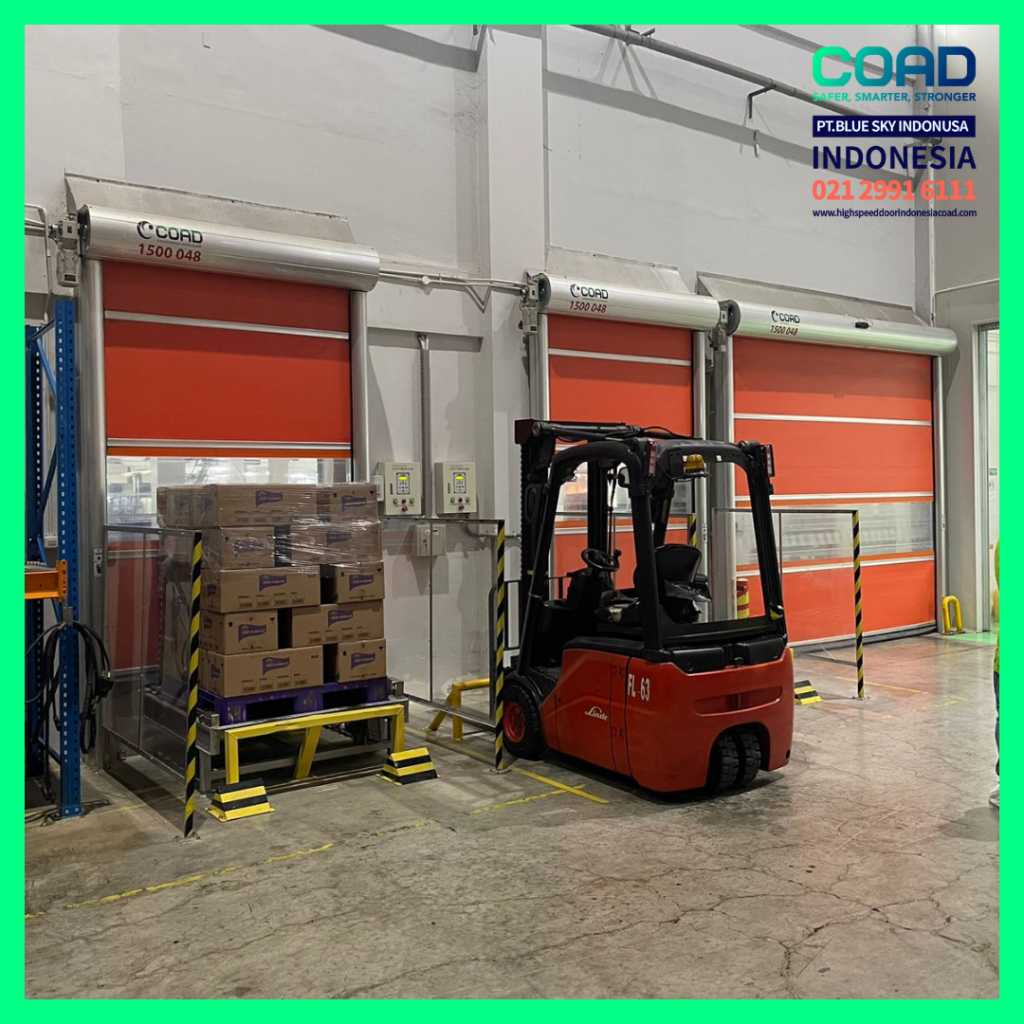
High-speed doors also help maintain environmental control within warehouses. In facilities like cold storage or cleanrooms, where temperature and hygiene are critical, these doors prevent external contaminants from entering while supporting energy efficiency. Their durability and fast operation make them an ideal companion to STV systems, ensuring the entire logistics process functions smoothly.
With COAD Indonesia’s high-speed doors, businesses can optimize their STV workflows. Built to endure heavy usage and frequent cycles, our doors enhance operational speed and reliability, aligning perfectly with the demands of automated logistics systems.
Why Businesses Need STVs and High-Speed Doors
As the logistics industry evolves, automation has become the key to staying competitive. STVs, with their unparalleled efficiency and scalability, offer a future-proof solution for businesses looking to streamline their operations. However, the full potential of these systems can only be unlocked when paired with complementary infrastructure, such as high-speed doors.

By integrating STVs and COAD’s high-performance industrial doors, businesses can create an environment that prioritizes efficiency, accuracy, and reliability. Whether you’re managing an e-commerce warehouse, a manufacturing plant, or a cold storage facility, these technologies work together to revolutionize your workflow.
Ready to transform your operations? Contact COAD Indonesia today and explore our range of high-speed doors designed to support cutting-edge logistics solutions like STVs.
COAD Indonesia
Call center:
+62 21 299-16111
WhatsApp:
(Sales 1) 0816-1717-6440
(Sales 2) 0855-1051-095
(Sales 3) 0812-1110-2255
Email: mkt@coad.co.id
Address: The Bellezza Shopping Arcade Unit 270 Lt 2
Jl. Letjen Soepono No. 34, Arteri Permata Hijau Jakarta 12210 Indonesia
Branch in East Java Area:
Jemurwonosari Gg. Mualim No. 6 Surabaya 60237
Arief Tri Wibowo
0813-3157-0117